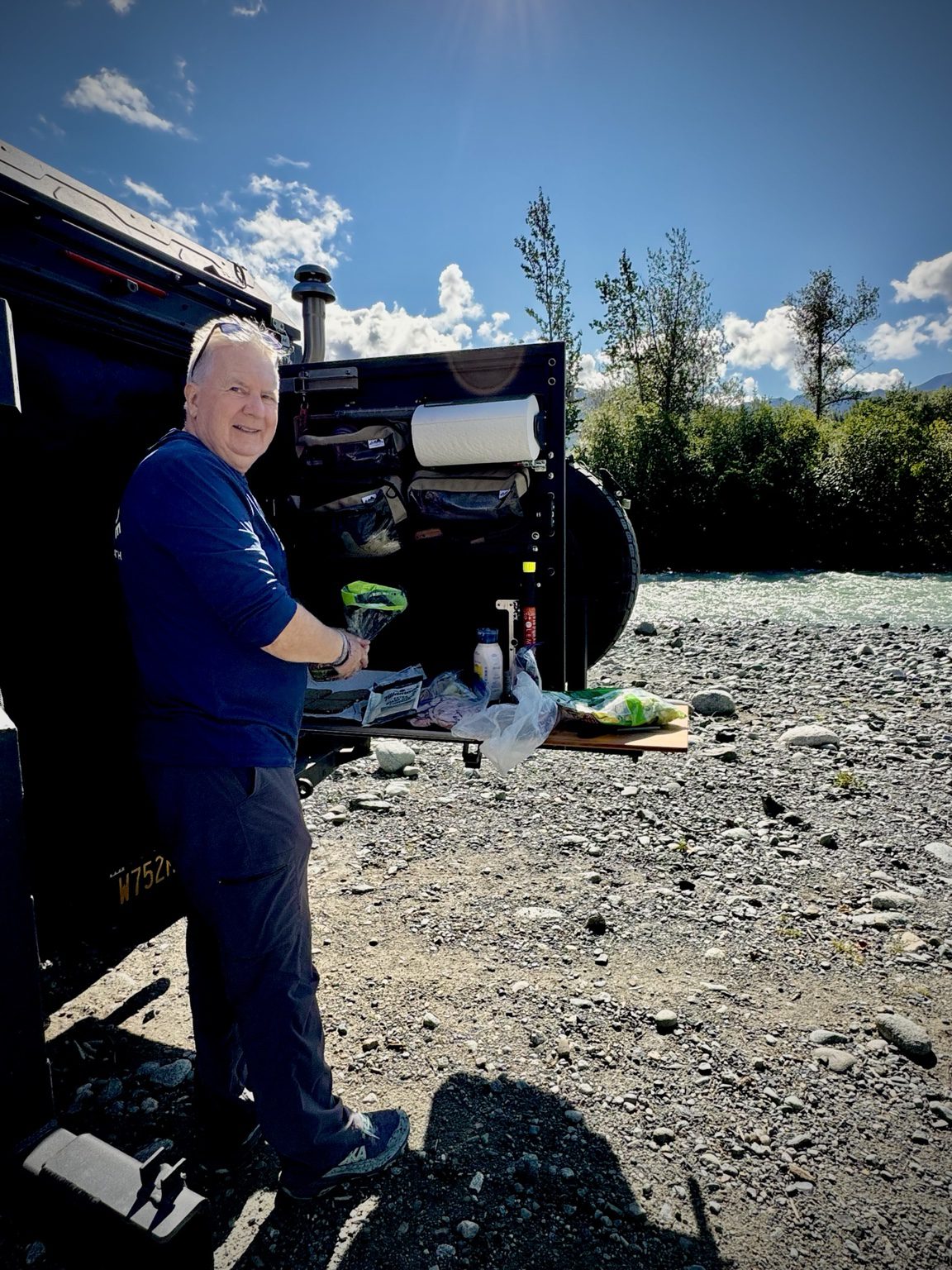
A rooftop tent taught Graham Holmes to travel. His ModCAP Camper helped him to stop wasting the light. Somewhere between the two, a retired real estate man became a landscape photographer who measures a trip by how much of a place he gets to experience.
Originally from the UK, Graham Holmes is now settled in San Clemente, Southern California, and retired after a long career in real estate. None of that, on paper, points toward a life spent chasing moonsets over Yosemite or camping beside a glacier-fed lake in Alaska while it freezes solid overnight. But travel and adventure were always the current running underneath everything else he did, and when the real estate career ended, photography was simply what was left when the rest fell away.
“Photography gives me another reason to explore, but also a reason to slow down once I get somewhere,” he says. “Often, the experience of being there means as much to me as the photograph.”
His philosophy is that the gear and the truck exist to protect his time in the wild.
Captured, Not Made
Ask Graham to explain his process and he mentions the difference between a photograph he captures and one he makes.
“A captured shot starts with something happening that I respond to. A break in the clouds, an unexpected reflection, a moment with wildlife,” he explains. “A photograph I’ve made involves more deliberate choices about where to stand, what to include and when to release the shutter.”
The two aren’t opposites so much as a loop. He’ll plan a location with care, arrive, set up and then the best frame of the day comes from turning around and noticing something nobody planned for. “Planning gets me there,” he says, “but I still need to pay attention.”
It’s an idea that shows up again and again in his work. The preparation is what earns you the moment, but the moment still has to be noticed.
Why Coastlines, Why Open Country
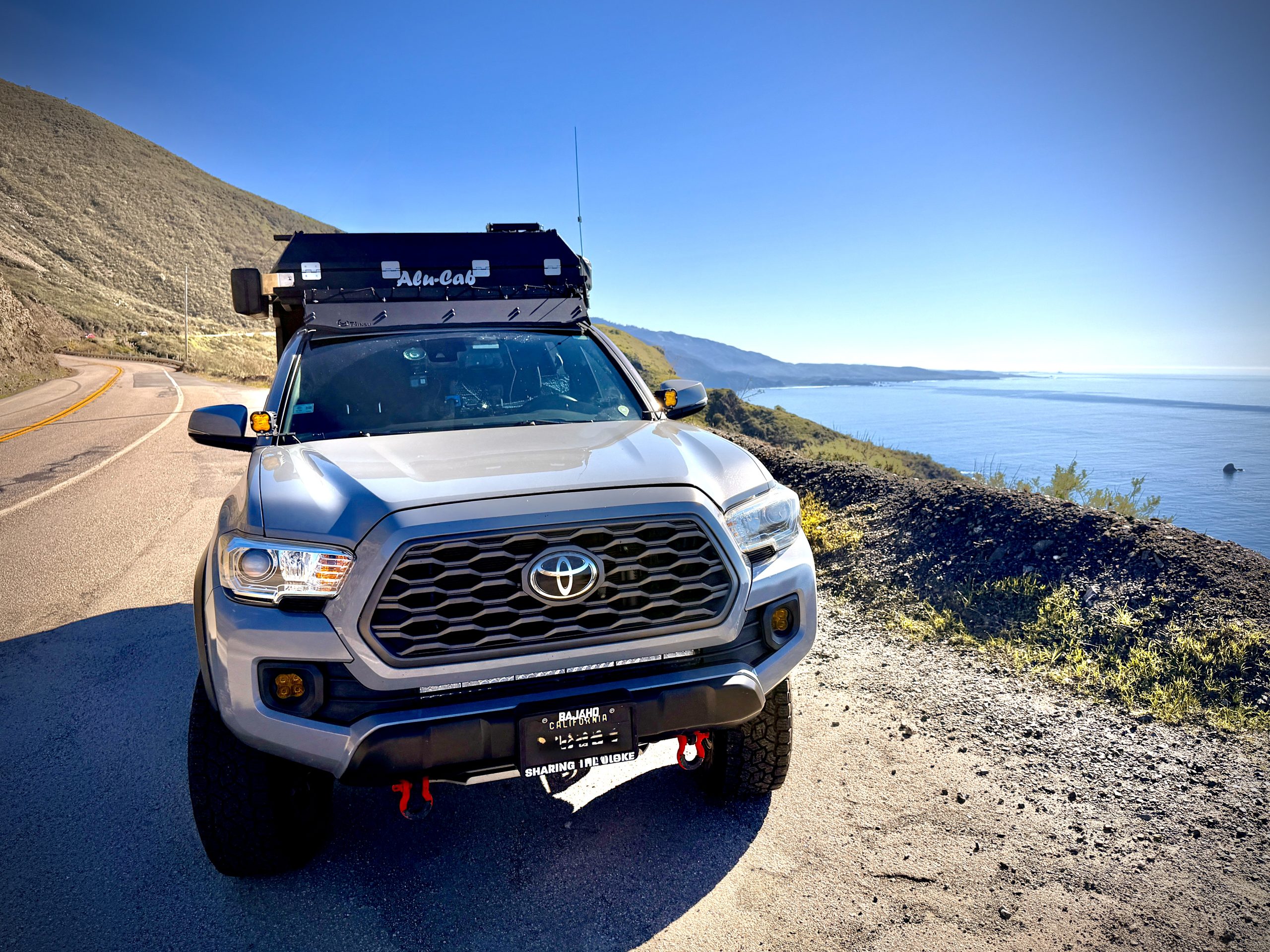
Graham’s two recurring subjects share one quality he keeps circling back to. Coastlines and open landscapes are both far away from busy places. “Along the coast, the water, weather and light keep changing,” he says. “In open landscapes, I enjoy having room to wander and study how the scene comes together.”
Reaching that kind of solitude on a coastline usually means driving past the suburbs and out to the quieter, more remote stretches. Inland, it means the same instinct pointed at open country. Seeking the places fewer people go, and photographing scenes most people never see at all. “The time spent there is a large part of why I do it,” he says.
And then there’s Yosemite, which sits in a category of its own. Graham and his wife Diane spent their honeymoon there roughly 33 years ago, and it has pulled him back ever since. “Somehow, it feels like my spiritual home,” he says. “My reasons for returning go well beyond what I might photograph.”
From Rooftop Tent to ModCAP Camper
Before the ModCAP Camper, Graham’s shoot mornings ran on a different clock entirely. A rooftop tent mounted to a rack on the back of the truck meant choosing between a lengthy pack-up before driving to a location, or leaving the camp fully set up and working out from there.
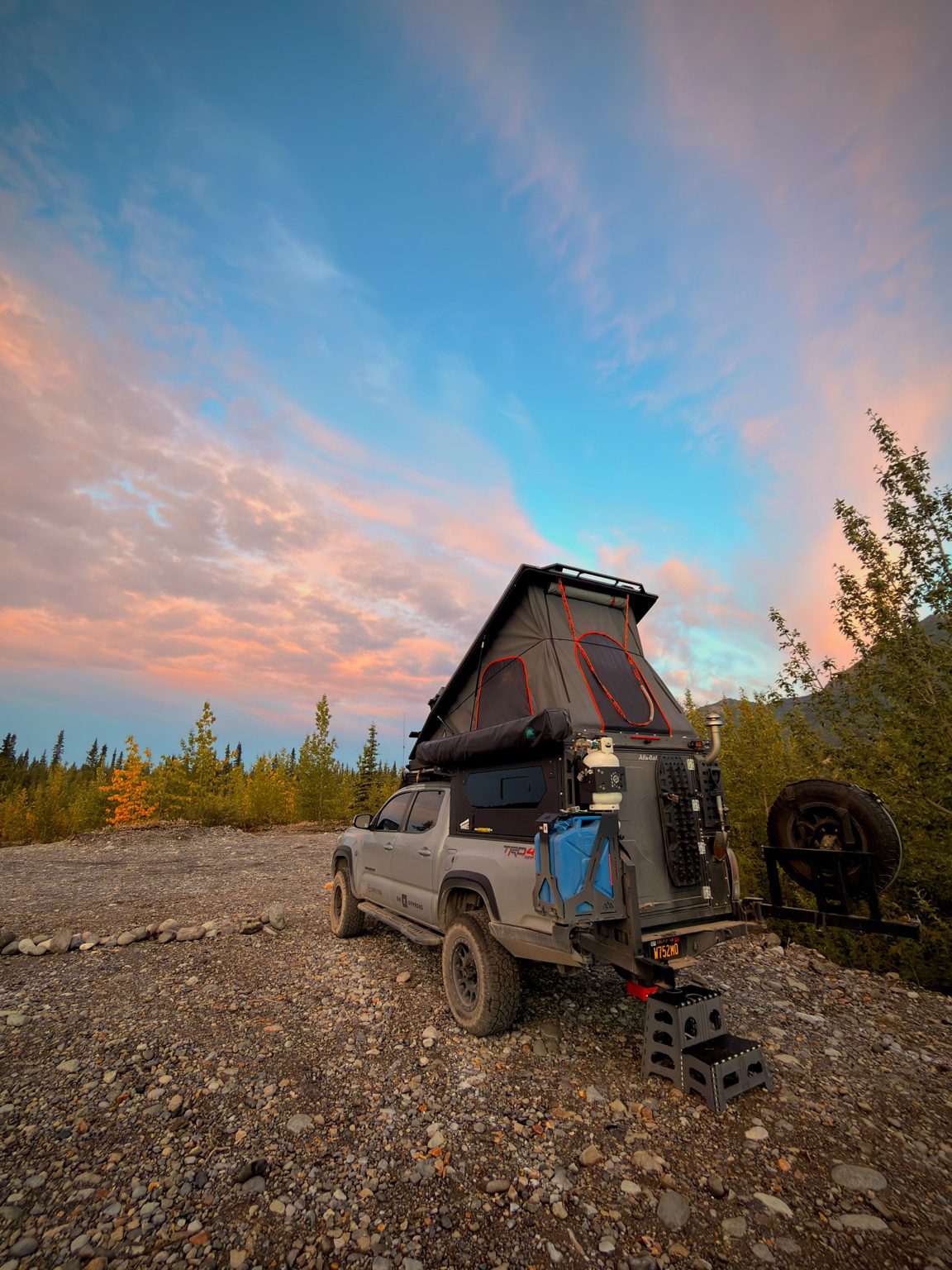
Now the math has changed completely. “With the ModCAP, I can arrive at my chosen camp spot and be set up in around 60 seconds,” he says. This matters most after an evening shoot, when the only thing left to do is settle in for the night. Mornings are just as fast. Everything packed down in under five minutes, “although I usually still make time for coffee before leaving.”
For a photographer, that arithmetic isn’t a comfort upgrade. It’s the whole job. “Around sunrise or sunset, a few minutes can make a big difference,” Graham says. “Having less to organise lets me concentrate on where I want to be and what the light is doing.” Needing to chase a different vantage point mid-shoot used to mean a logistics problem. Now it’s just a drive.
Asked if there’s anything about the old setup he misses, the answer comes without hesitation: “Honestly, nothing. The ModCAP has made such a huge difference in comfort and practicality that I can’t think of anything I miss about the old setup.”
A Truck Named Charlie
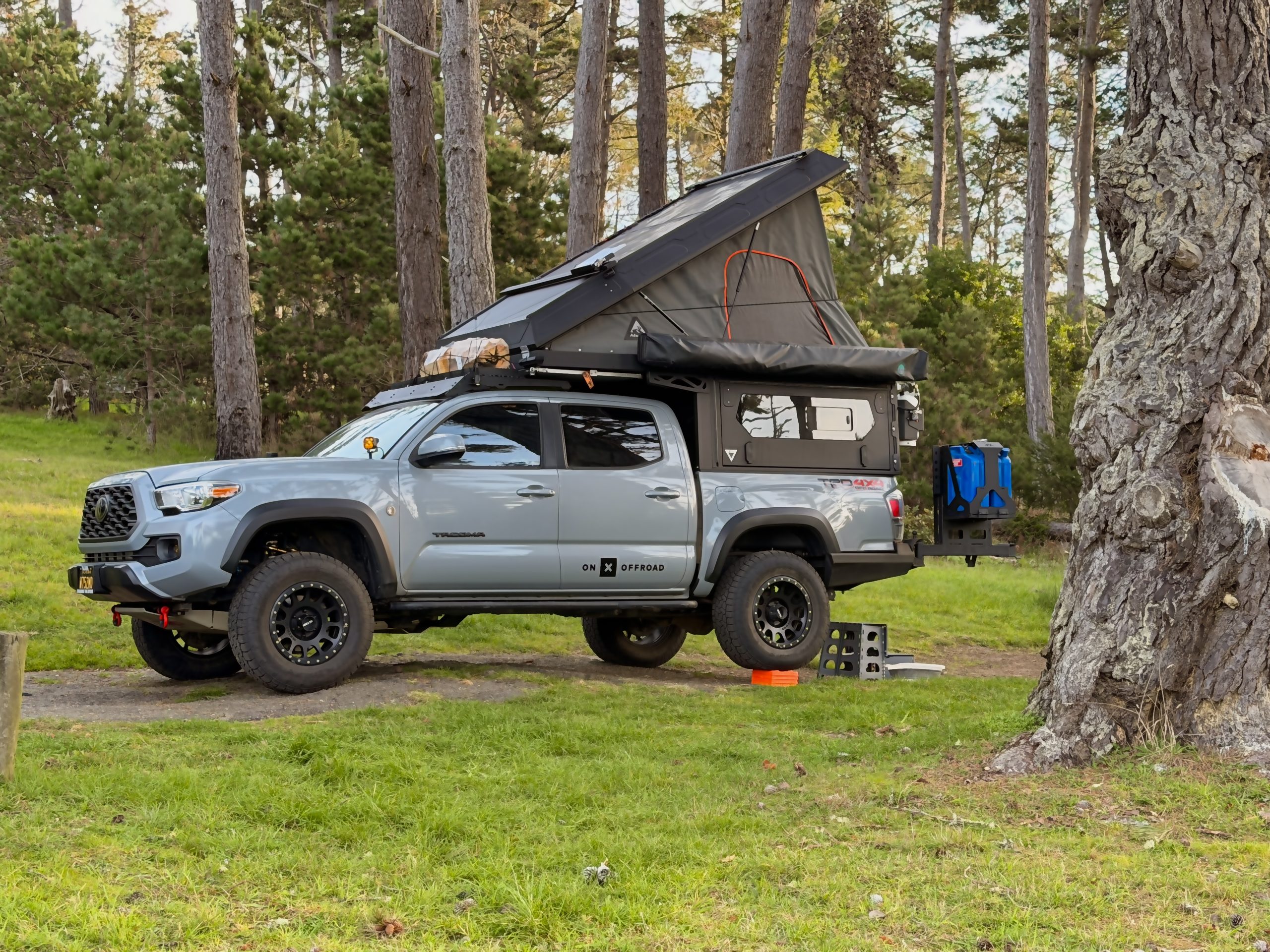
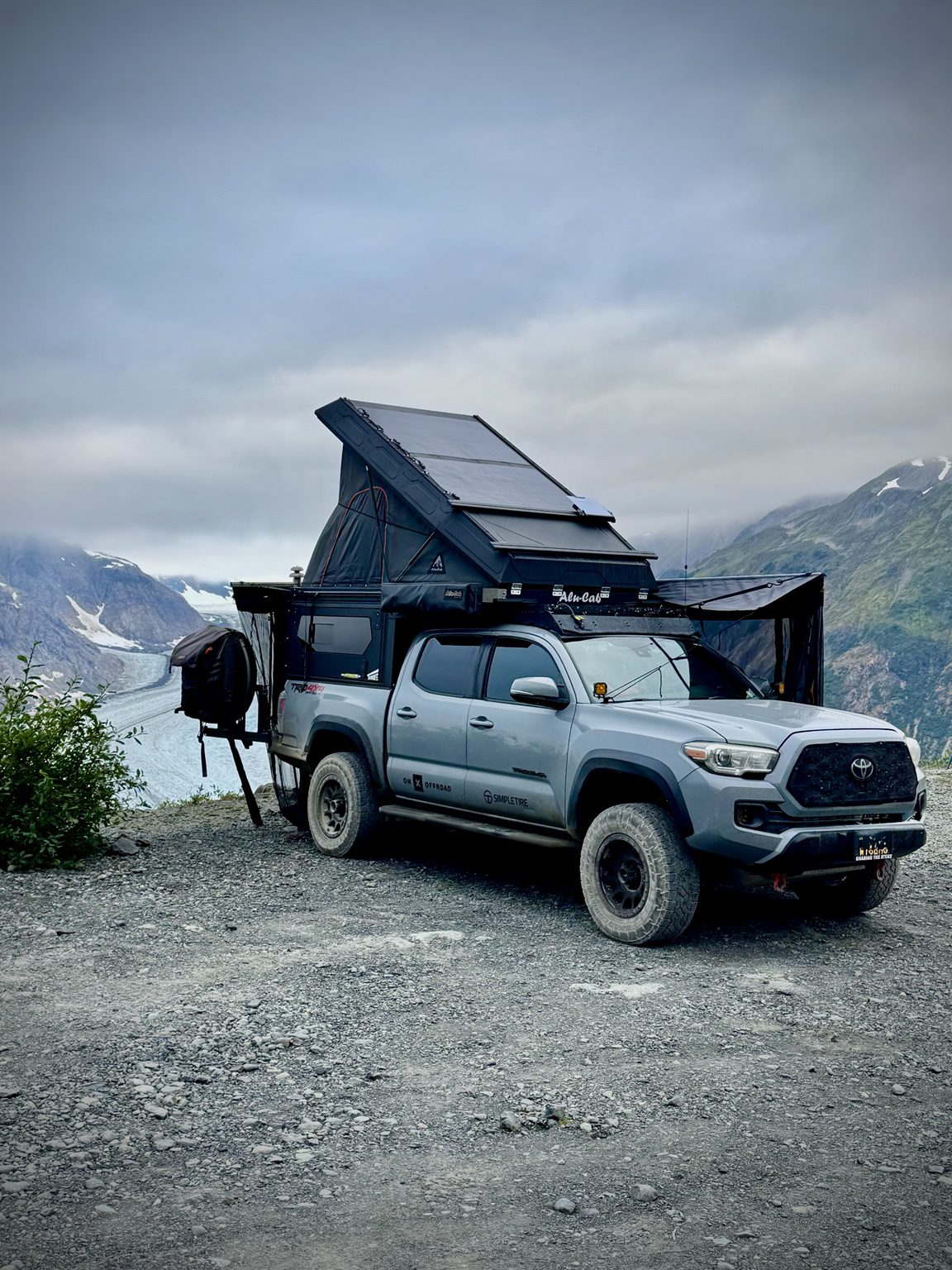
The truck is a 2021 Toyota Tacoma TRD Off-Road. It’s named Charlie, after the dog in John Steinbeck’s Travels with Charley, the account of Steinbeck’s cross-country search for “the real America.” Graham has always loved the idea of getting to know a country through the act of moving through it. Charlie was his nod to it.
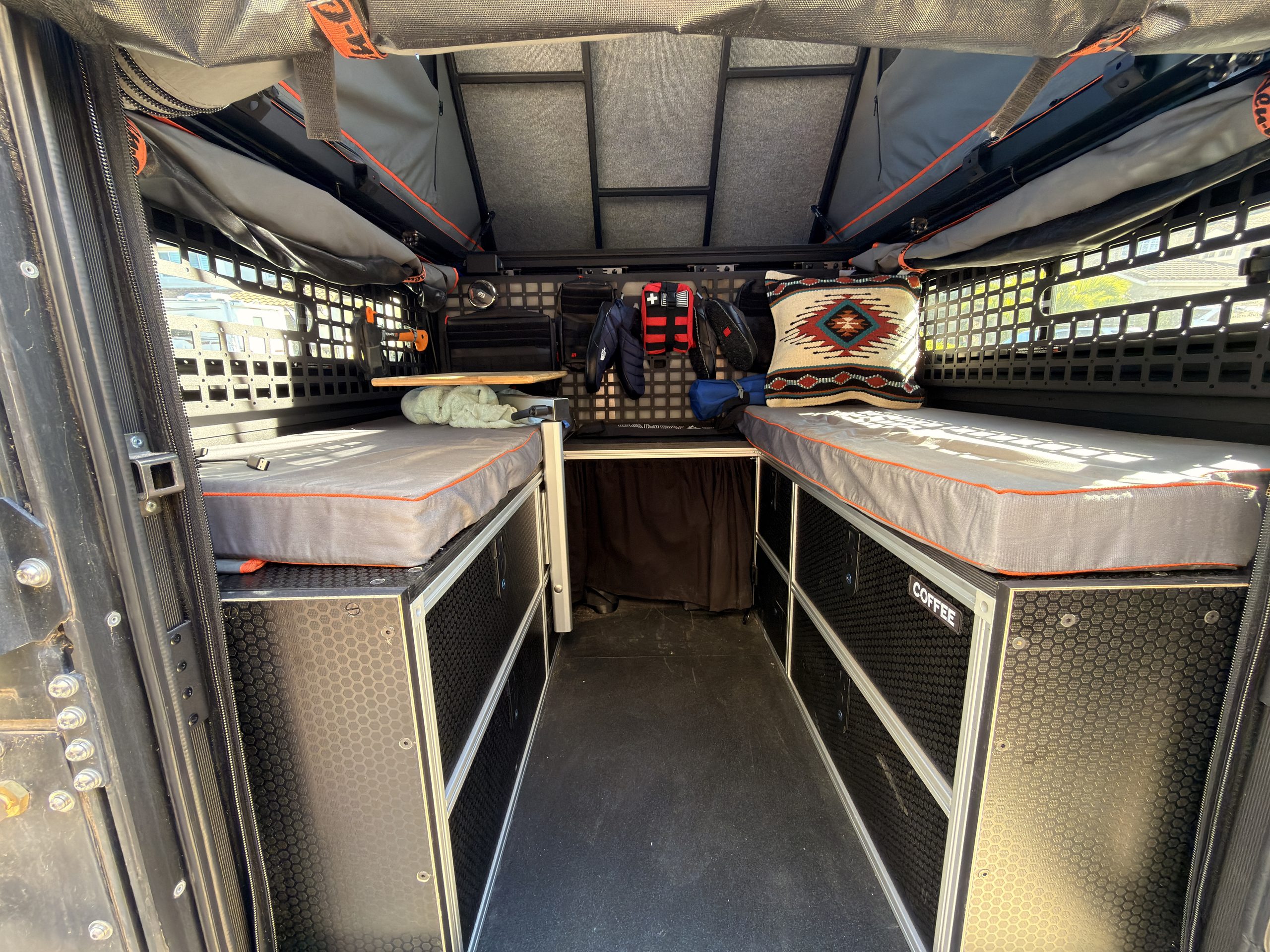
Daniel Elo and the team at Tiny Rig helped to plan and assemble the build. Graham went in with firm priorities. “Comfort and ease of setup were paramount,” he says. “I spent a lot of time looking at other interior builds before starting my own, then built out the interior so just about everything has a place. I don’t like clutter!”
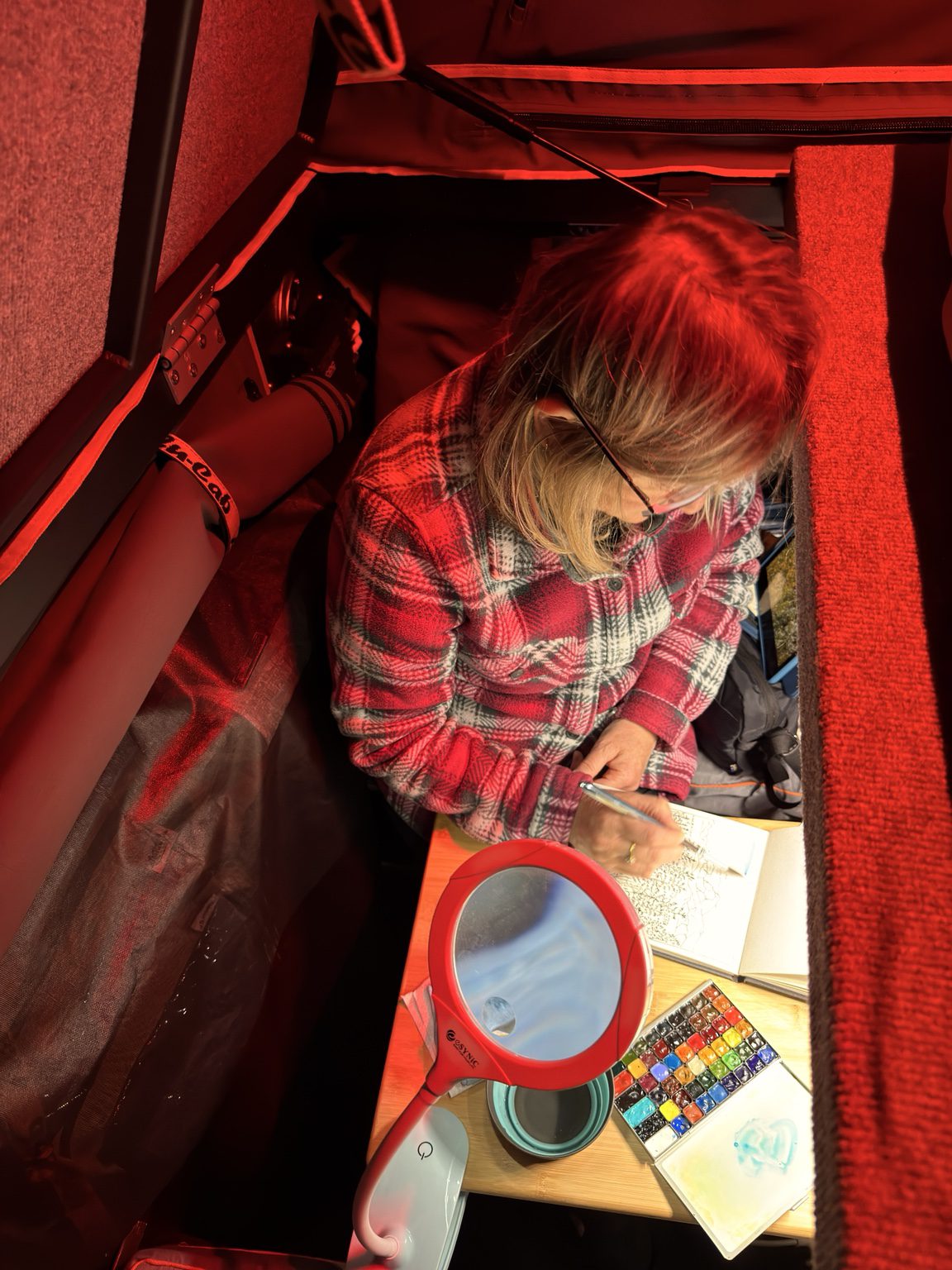
That’s precisely what drew him to the ModCAP in the first place. “The interior is a clean slate you can tailor to your specific needs,” he says. For Graham and Diane, that meant a build that works equally well for serious photography and for Diane’s watercolor painting.
Rooftop solar, a lithium battery, a fridge and a ModCAP Water Tank Kit give the two of them the freedom to stay off-grid for longer stretches. That’s fewer supply runs and more time actually spent in the places they visit. “I can photograph an area in different light while Diane has time to settle into her painting,” he says.
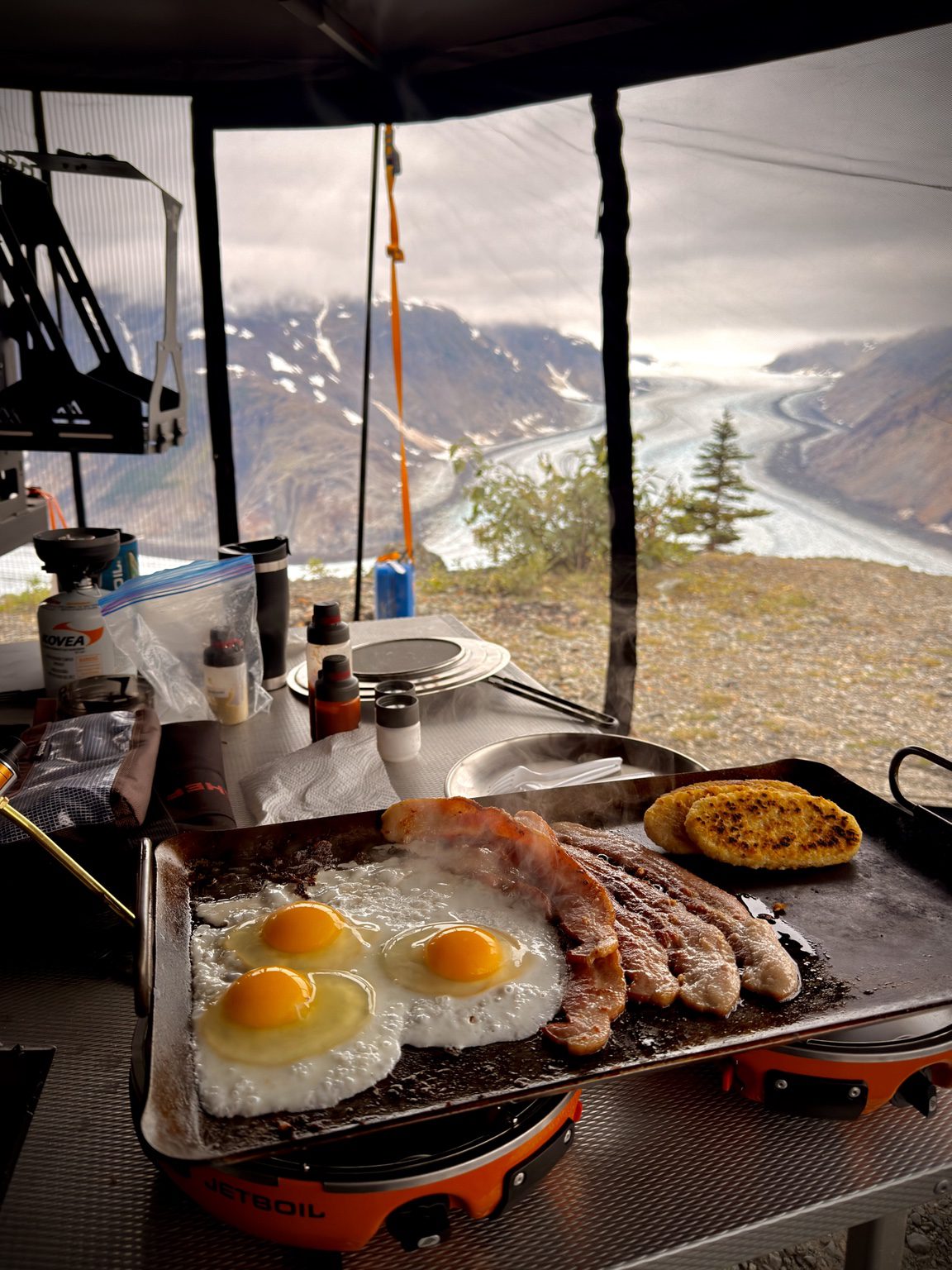
The Dickinson propane heater earns its keep in the cold. On a recent 33-day trip to Alaska that included 26 nights of camping, Graham and Diane pitched camp beside a lake at the base of the Kennicott Glacier near McCarthy. The lake had froze over by morning. “Inside the ModCAP, with the heater running, we stayed warm and comfortable,” he says. “That’s exactly the sort of experience I wanted the build to make possible.”
One Thing to Tell a Rooftop-Tent Owner
Graham’s pitch to anyone still running a rooftop tent is practical. “It makes staying close to the places I want to photograph much easier and more comfortable. I can pack down quickly when I need to drive to a shoot, and when the weather turns, I have somewhere I can easily step inside, get warm and shelter from the elements.”
After hours out in cold, wind or rain, that shelter isn’t a luxury. “Having that comfortable space to return to makes a real difference, especially on longer trips.”
Building It With Tiny Rig
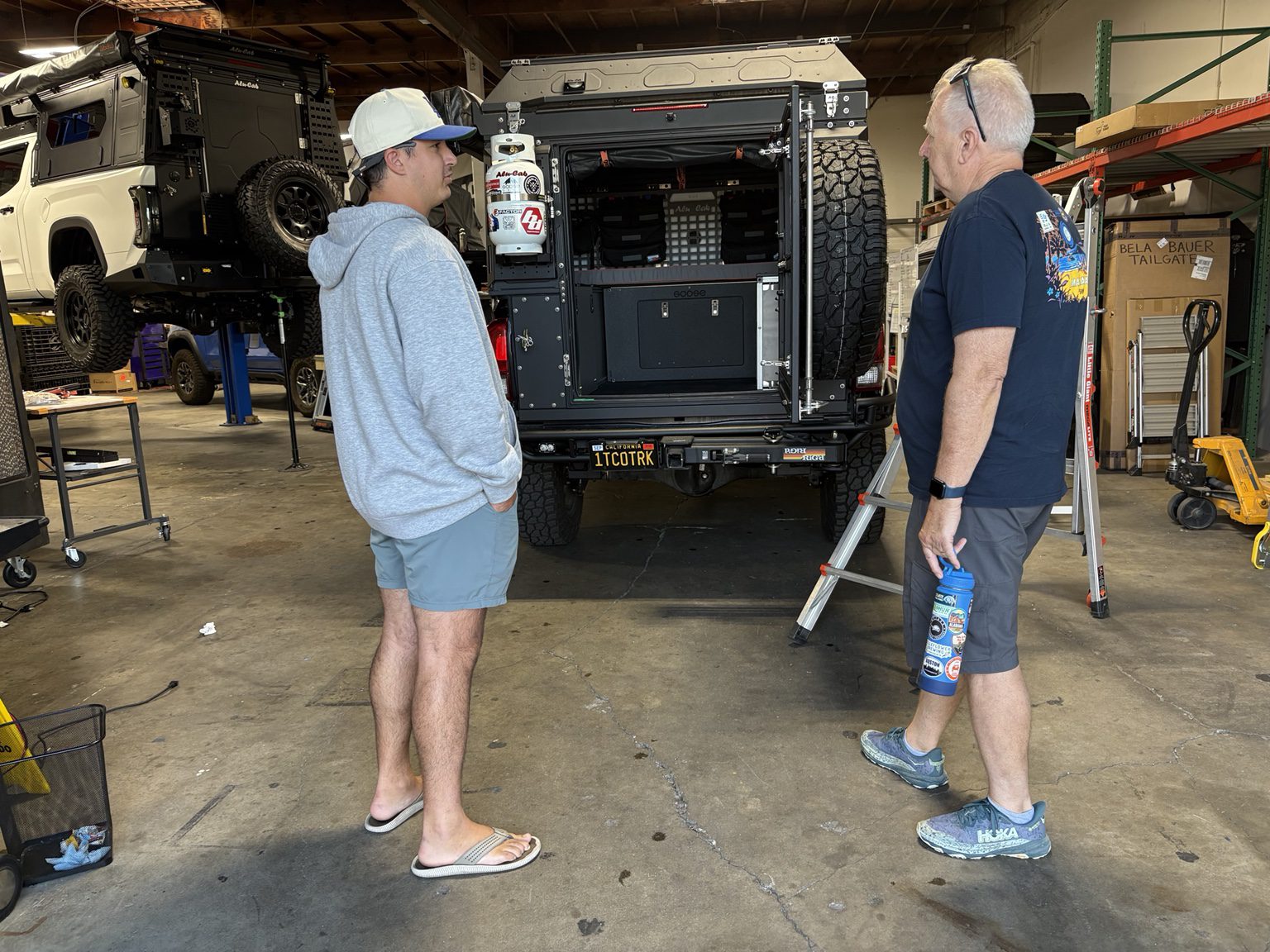
Graham met the Tiny Rig team at the SoCal Overland Expo, already leaning toward the ModCAP Camper after his own research. What followed was a wishlist sent to the team, and then “several long conversations with Daniel Elo, the founder, working through what to include and how to bring it together.”
What stands out most from that process isn’t a single decision but the process itself. “I was choosing something that would shape how we travelled for years to come,” he says. “Having Daniel take the time to work through those decisions with me gave me the confidence to move forward.”
The relationship outlasted the build. “I now feel part of the Tiny Rig and Alu-Cab family,” Graham says.
His criteria for the platform itself were specific and non-negotiable. Easy to pack up, tough enough for rough trails, somewhere to properly shelter from bad weather and a real door rather than a tailgate to climb through. Just as important was for the build to be comfortable enough for Diane to enjoy it too. “I narrowed it down to two or three options,” he says. “The ModCAP Camper brought those requirements together in a way that suited us.”
Finding the Shot and the Camp Beside It
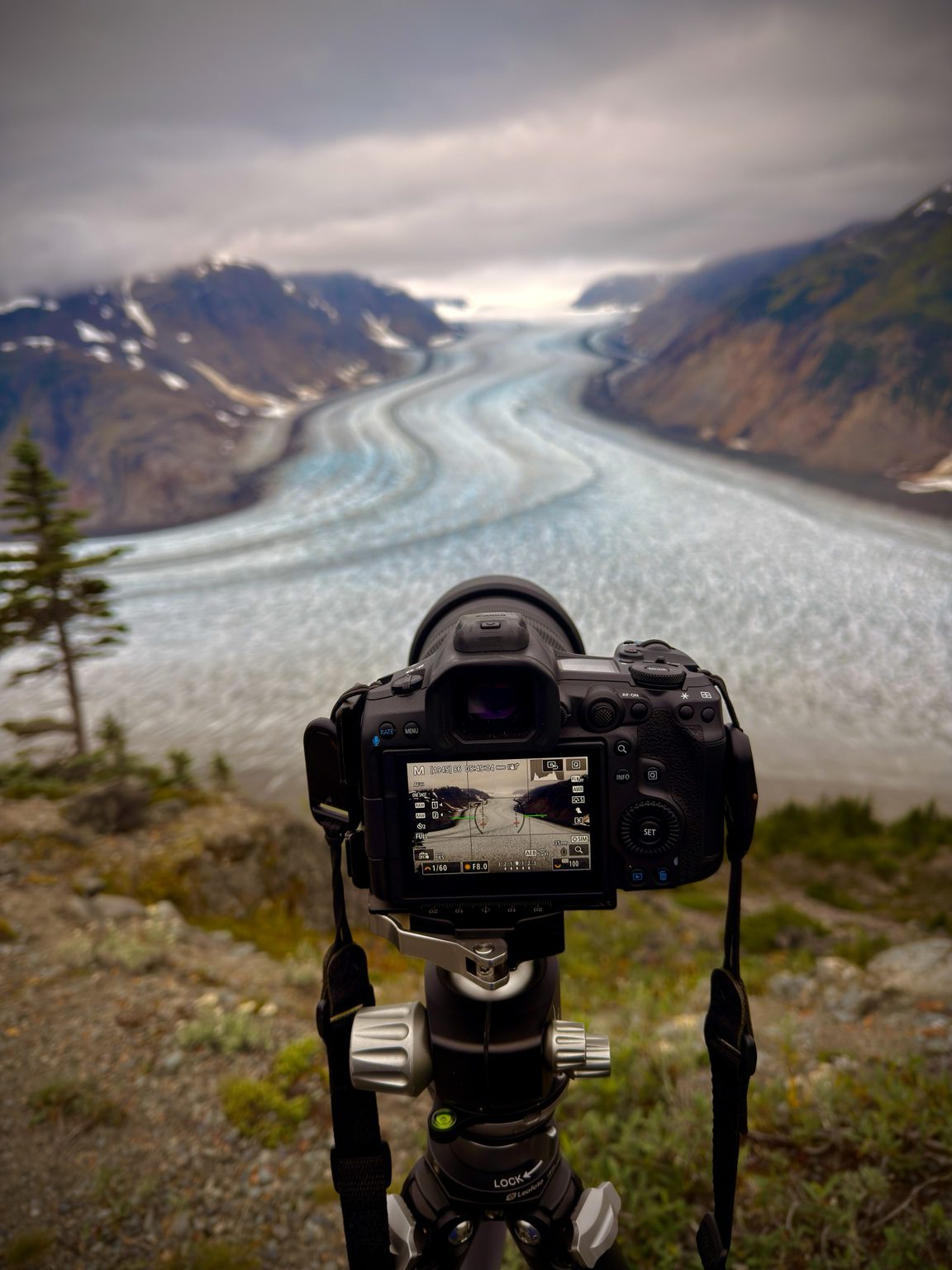
Graham is an onX Offroad Ambassador and Trail Guide, and the app has become part of how a shoot actually gets planned. Not just the photograph, but the whole chain that gets him there. “onX is an important part of my photography planning because it helps connect the whole trip. The place I want to photograph, the route to get there and somewhere nearby to camp,” he says. Downloaded maps matter most in the places with no cell service at all.
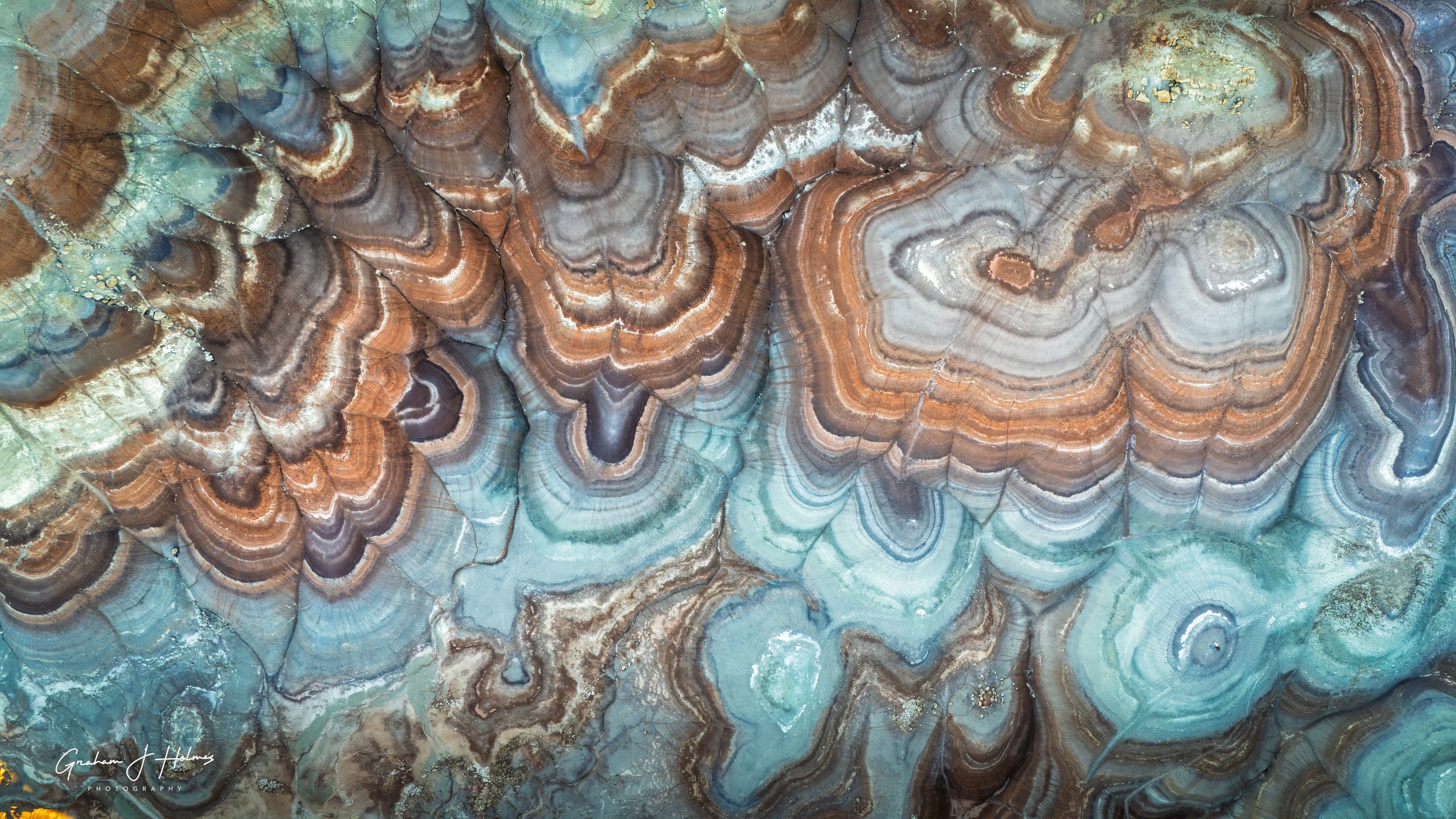
It paid off concretely on a return visit to Bentonite Hills in Utah. Three years earlier, Graham had visited and failed to find the exact spot he’d been picturing, and came home empty-handed. This time, onX let him pinpoint the location and find a wild camp spot right beside it. Close enough to be ready at sunrise. “It helped me return to a place where I’d previously missed out and finally get the photographs I’d hoped for,” he says.
The Photograph That Still Matters Most
When Graham reviews a day’s shoot, technical quality isn’t what separates the keeper from the rest. “I look for an image that gives me a reason to keep looking,” he says. This relationship between light and landscape, a small detail, a composition that resolves. He’s also careful to separate how much he enjoyed taking a photograph from how well it actually works on its own. “I know everything that happened around it. Someone seeing it for the first time doesn’t. The image needs to hold their attention on its own.”
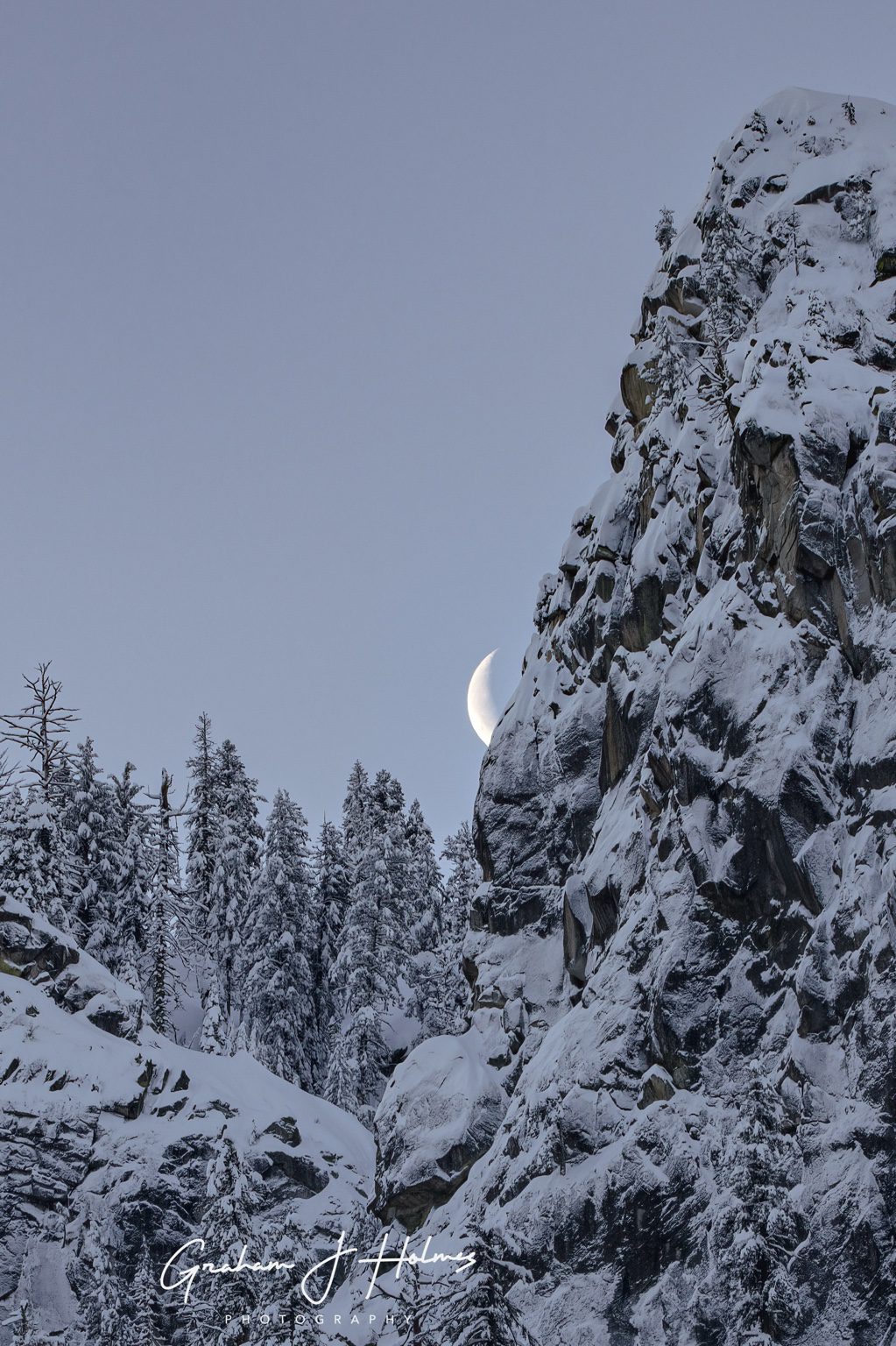
One photograph still sits above the rest is of the moon setting behind one of Yosemite’s peaks. Graham had set up before sunrise at Tunnel View on a cold morning, the light flat and unremarkable, when he started scanning for other possibilities and noticed the moon setting behind him. He switched to a 70–200mm lens and caught it.
“Yosemite already means a great deal to me, and this photograph holds a small piece of its extraordinary beauty,” he says. “It also taught me something I’ve carried into other shoots. Always look around. The photograph you came for might not be the one you leave with.”
What’s Still on the List
Top of Graham’s list is shipping Charlie to Europe for several months exploring Scandinavia in their ModCAP Camper. Set up exactly the way they travel, photograph and paint. “The hurdles are the cost and logistics, plus persuading Diane to be away from home for that length of time,” he says. “It needs to work for both of us.”
Closer to home, there’s still an enormous amount of North America left to explore. More of Alaska, deeper into Canada and possibly a drive all the way to Nova Scotia and Newfoundland.
Travel and Photography
For anyone who feels they have to choose between serious travel and serious photography, Graham’s answer is that the choice is a false one. “Travel brings you to unfamiliar places and gives you experiences that influence what you photograph,” he says. “Photography encourages you to slow down, look more closely and spend time somewhere you might otherwise have driven straight through.”
The condition is time. “If every day involves a long drive and another destination, it becomes difficult to spend meaningful time photographing anywhere. Build some flexibility into the trip. Stay when a place interests you, allow time to return in different light, and accept that you won’t cover everything.” Not every stop needs to produce a portfolio image. A walk, a conversation, an afternoon exploring can be the lasting memory on its own.
Camping close to what he’s there to photograph is what makes the two things one thing instead of two. “I can be there for the early or late light and have time between shoots to explore or relax with Diane,” he says. “We’re making photographs, but we’re also building memories together. Both are reasons to go.”
Shared Trips, Shared Frames
Some of what Graham values most has nothing to do with the camera at all. He and Diane can stand in front of the same landscape — him photographing, her sketching or painting — and come away with entirely different interpretations of it. “I love that we can pursue our individual passions while sharing the experience,” he says.
He also travels with a regular group of photography friends, trips that bring a different kind of reward. Exploring together, comparing what each person noticed in the same place. “The friendships and memories we build along the way are as much a part of those trips as the photographs.”
Charlie was built to make both kinds of travel work. Somewhere to sleep, somewhere to shelter, somewhere to settle in after a day outside. “The photographs and paintings become reminders of those days,” Graham says, “but so do the quieter moments. Coffee at camp, taking in the view and spending time together surrounded by nature.”
Asked what the 20-year-old version of himself would make of the man driving Charlie today, Graham doesn’t think he’d be all that surprised. “I’ve always loved travel and adventure, so I think he’d recognise exactly what I’m doing and why,” he says. “He’d probably just say, ‘Right on, you made it happen.'”
It’s a quote he came across a while back and has since adopted as something close to a personal motto. Die with memories, not dreams. Graham Holmes has built a truck, a routine and a way of travelling specifically so that stays true.