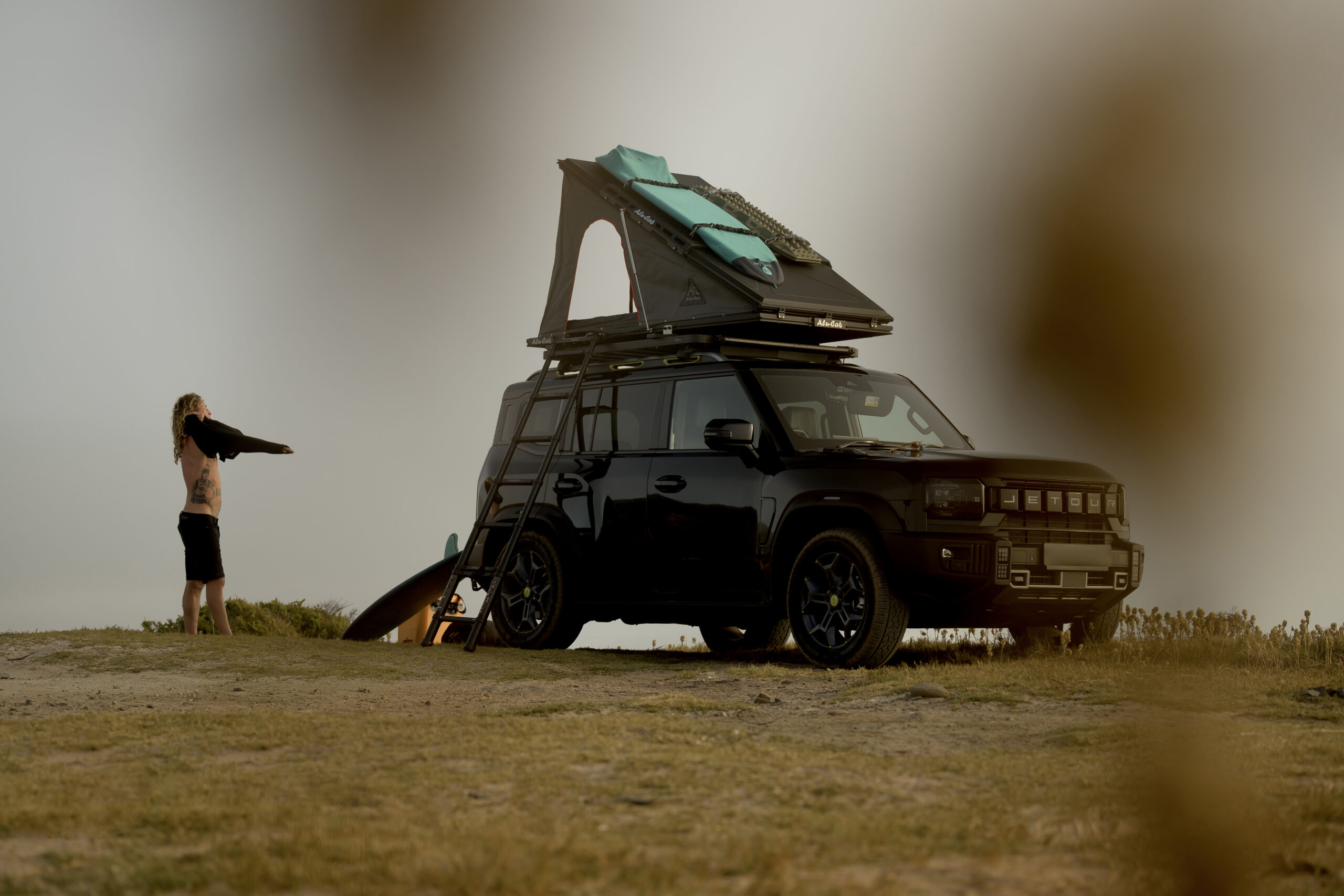
We could list-off the virtues of the LT-50 Rooftop Tent. Its lightweight profile, rapid deployment and garage-friendly dimensions. But when it comes to answering the question “is the Alu-Cab LT-50 big enough” we thought it would be best if we handed it over to a 6ft-tall professional adventure photographer.
Chasing light and landscapes across some of South Africa’s most demanding terrain, Craig Kolesky was tapped for the campaign launch of the new Jetour. The brief? Capture the vehicle in its natural habitat of dirt, dust and wide-open spaces. To make it camping capable, Craig didn’t hesitate to fit the rig with an LT-50 RTT.
What followed was a 10-day deep dive into the practicality of the LT-50, followed by a few personal trips. We caught up with Craig to get his unfiltered take on living with the LT-50 after putting some serious mileage on the rooftop tent.
The Right Tool for the Job
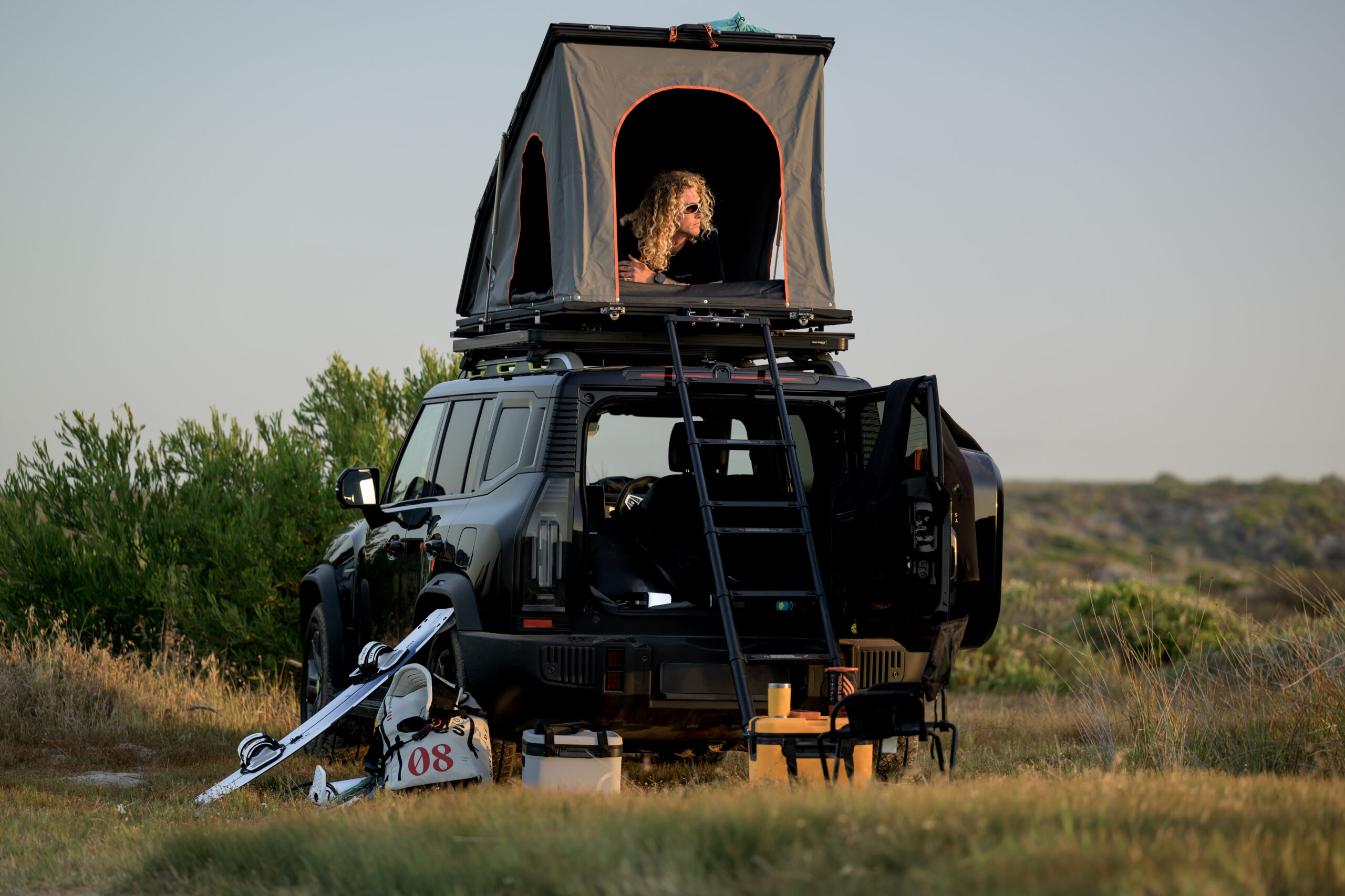
For a photographer, the having the right RTT isn’t just about comfort, but maximising shooting time. Golden hour waits for no one. When Craig took the Jetour T2 into the Cederberg and Tankwa Karoo, he needed a rooftop tent that could keep up.
“I immediately thought of the LT 50,” says Craig. “It’s a slim, sleek, good looking tent. And it’s super light, so it fitted the vibe of the car a hundred percent.”
Weighing in at just 50 kg (101 lbs), the LT-50 is indeed the lightest rooftop tent in the Alu-Cab lineup . But for Craig, the weight wasn’t the only selling point; it was the mounting ease. “It was super easy to mount onto the roof. We already had a Front Runner rack on the Jetour and it was really easy to get the LT 50 onto it.”
The “Grab and Go” Philosophy
After a day of shooting in the dust of the Tankwa or navigating the Wild Coast, the last thing a tired photographer wants is a complex camp setup. This is where the LT-50’s design ethos truly resonated with Craig.
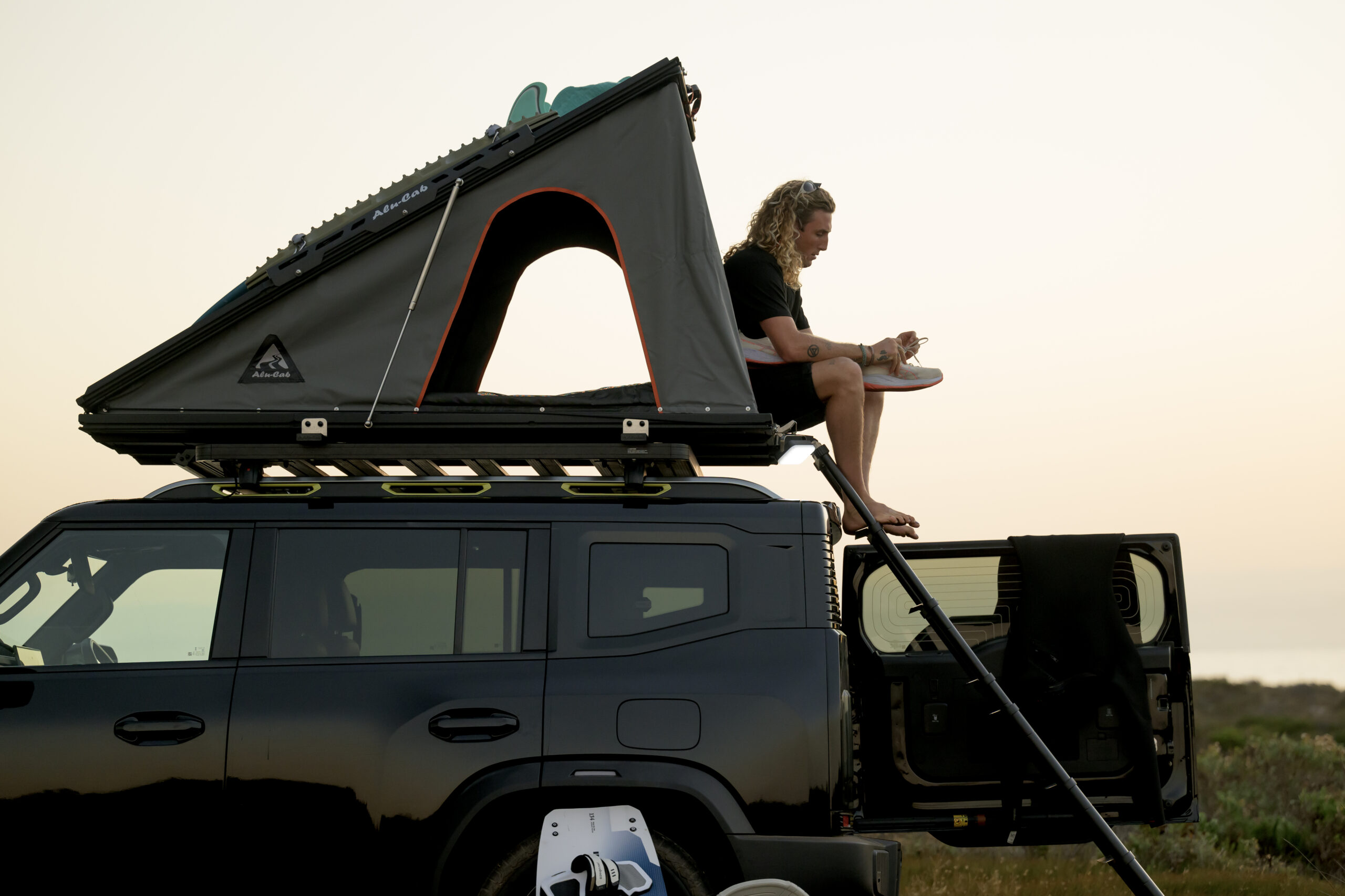
“The core strength of this tent is its ease of use,” says Craig. “When stopping you can open up and get ready for bed in seconds. Which is an unbelievable feature for a tent.”
With its gas-strut-assisted clamshell opening, the LT-50 transforms from a 2258mm (just over 7 feet or 84 inches) sleek roof profile to a ready-to-sleep shelter in seconds. And with no time to waste, Craig turned taking down the tent into an art form. “I was able to fit two sleeping bags and a pillow into the tent when closed.”
This ability to keep bedding inside the tent when closed allowed Craig to roll into camp late after a day’s shooting and be horizontal immediately. “We’re setting up camp super easily and by the time I’m in the tent sleeping, the other guys around me are still trying to get their tents out the back of their vehicles.”
A Tall Guy’s Perspective
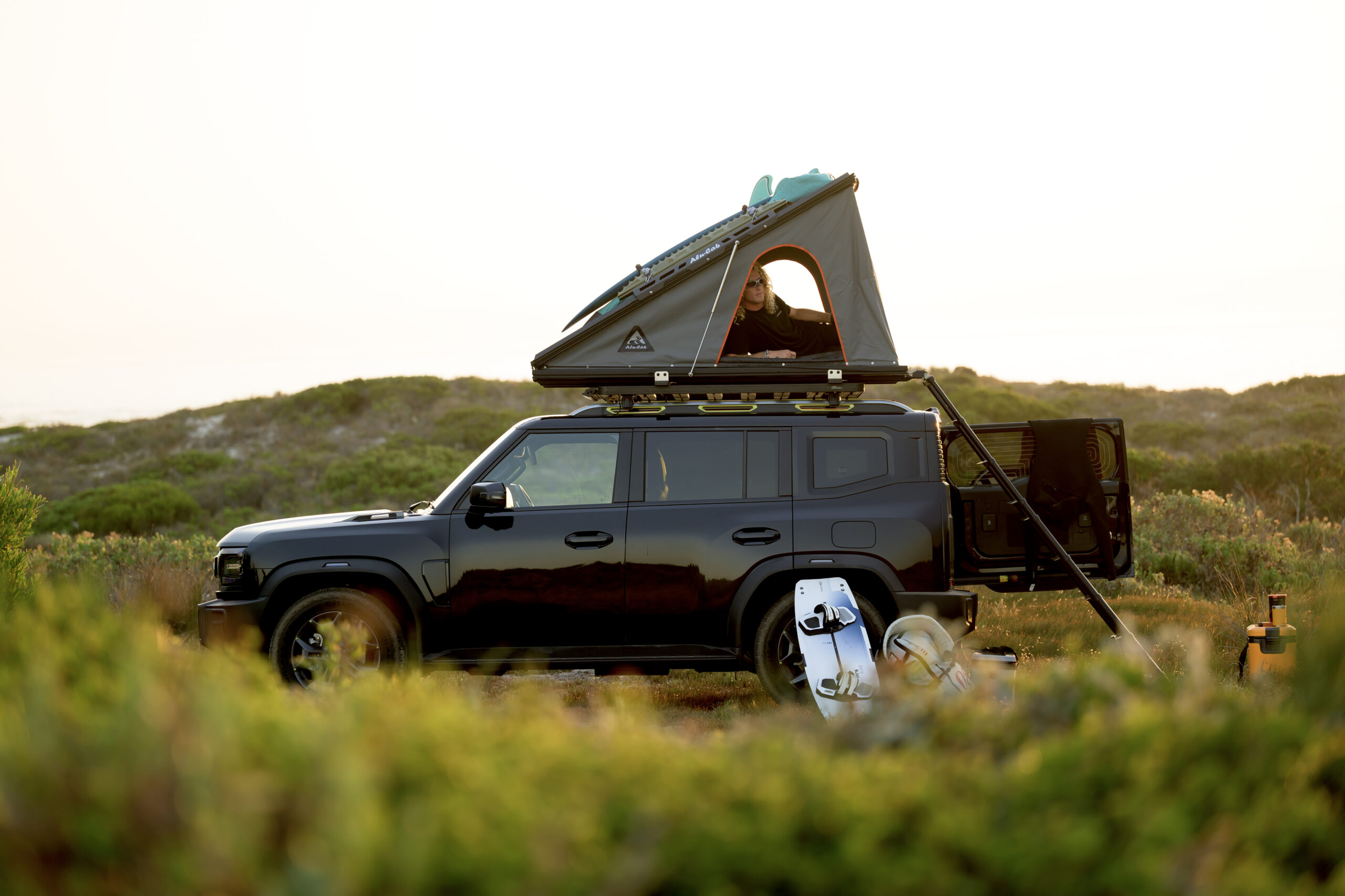
One of the most persistent bits of speculation surrounding the LT-50 is its size. At 2070mm long (6 ft 9 ½ inches) the mattress offers ample length for most, but forum chatter often questions its viability for taller individuals. The community asked is the Alu-Cab LT-50 big enough? Craig was happy to answer.
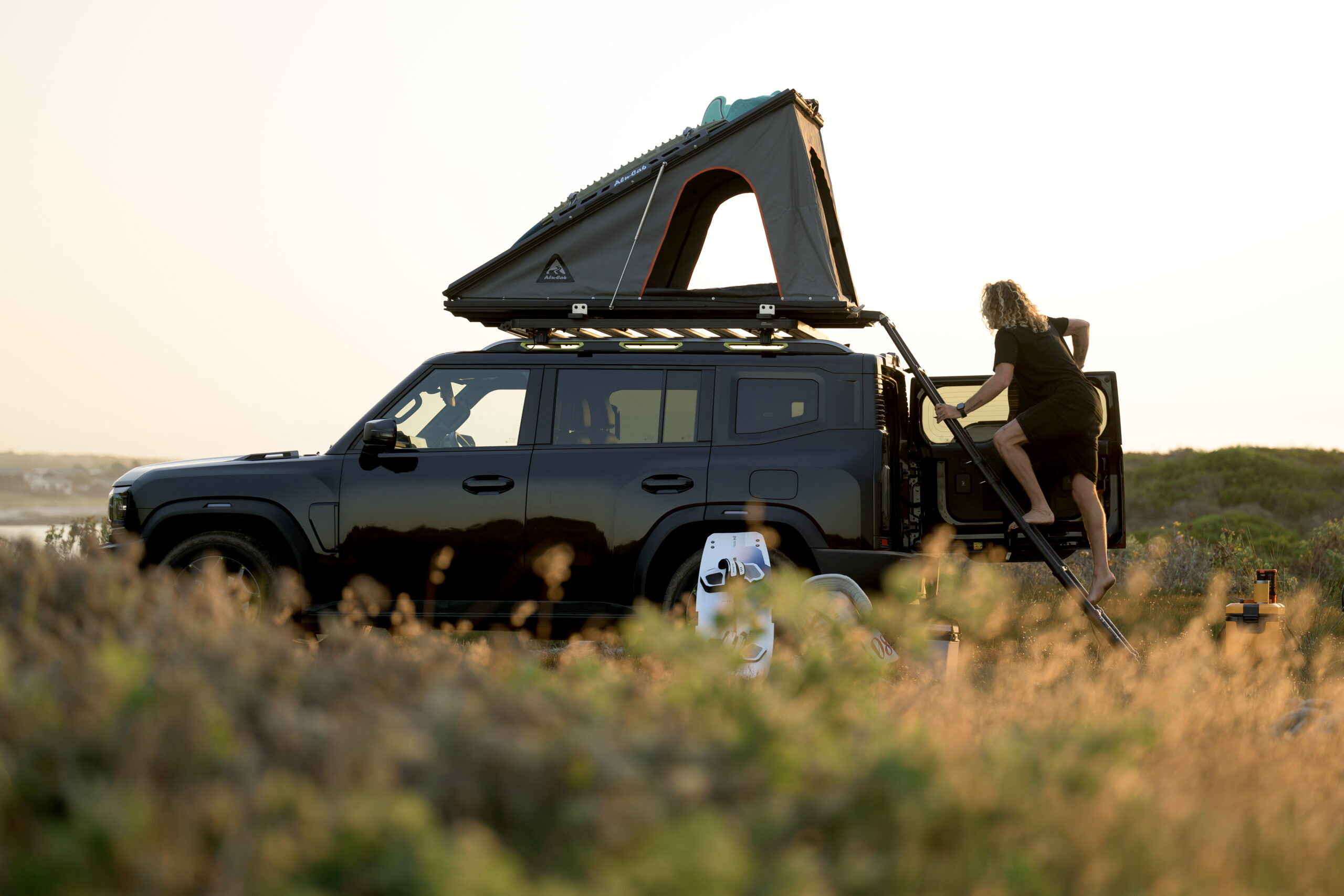
Standing at 1.83 meters (just over 6 feet), Craig spent 10 nights in the tent across various trips around South Africa. “First impressions of the tent… it has a super comfortable mattress and lots of space inside,” says Craig. “I’m quite a tall guy, and I must say I was super comfortable in the tent and never thought I needed more space.”
He acknowledges the assumptions that most people have about whether the LT-50 is big enough. “So going into expectations of the LT-50, obviously I did some research and a lot of the feedback was that it’s small and as a tall person you’d struggle to sleep in it.” But his first-hand account is definitive: “if you travel a lot, you want to move quickly, and you just need somewhere to sleep, then this is the perfect tent.”
Real-World Testing
The West Coast can be a brutal testing ground for gear. The wind howls, and the air carries salt and sand. Craig’s time shooting there provided the perfect test for the lightweight tent.
“We used the LT-50 up the West Coast in super windy conditions and the tent handled really well,” says Craig. The low-profile design isn’t just for looks. This aerodynamic feature reduces wind noise and drag. “The sleek profile of the tent suited the Jetour perfectly. Because it’s such a sleek tent, wind noise is less and you also have lower fuel consumption.”
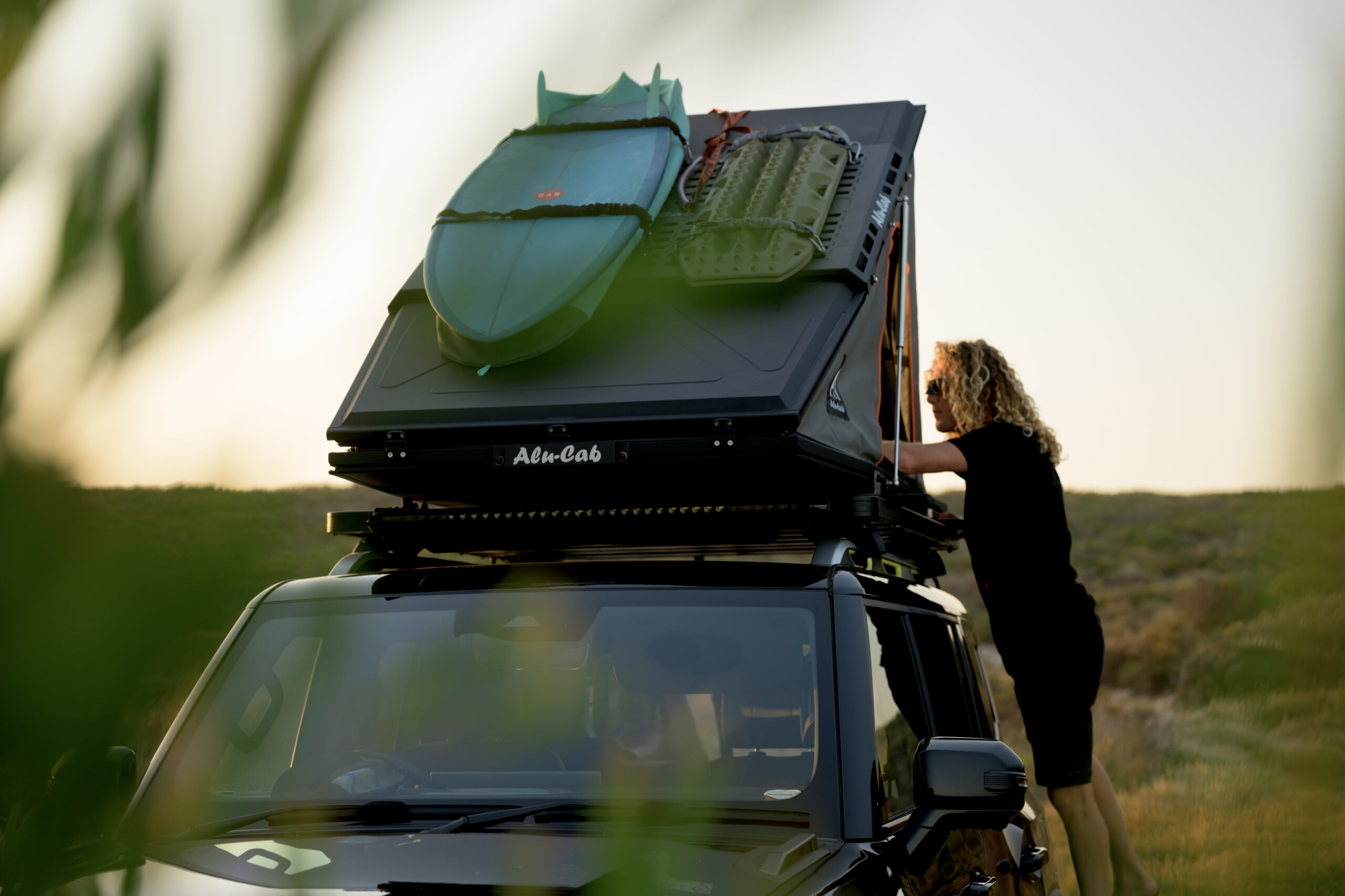
Then, the LT-50 Roof Molle Plate makes mounting gear a cinch. It attaches easily to the LT-50 nut slot design. And with a rooftop load rating of 30kg (66 lbs), you can carry all sorts of boards or even your ladder using the LT-50 Ladder Storage Bracket. “As a grab-and-go rooftop tent, this is the way to do it,” says Craig.
The Photographer’s Verdict
For Craig, the LT-50 has fundamentally changed how he works in the field. It bridges the gap between the necessity of rest and the demands of a career that has him on the move.
“Having a tent like the LT-50 has been an absolute game changer for an outdoor/sports/adventure photographer,” he says. “I’m always on the move, driving, shooting, and needing a place to sleep. Usually I’d be setting up ground tents. Or other rooftop tents that have always been a mission to set up that slow the work down. But the LT-50 has been an absolute game changer.”
He leaves us with the following tip. “My advice to anyone would be to use what you have and never wait. I think if you wait, you’re going to miss it. Always be ready to get out there and have fun.”
The LT-50 proved to be a tool that gets out of the way, allowing Craig to focus on the adventure and his job, not setting up camp. So is the Alu-Cab LT-50 big enough? This 6ft-tall adventure photographer says yes!