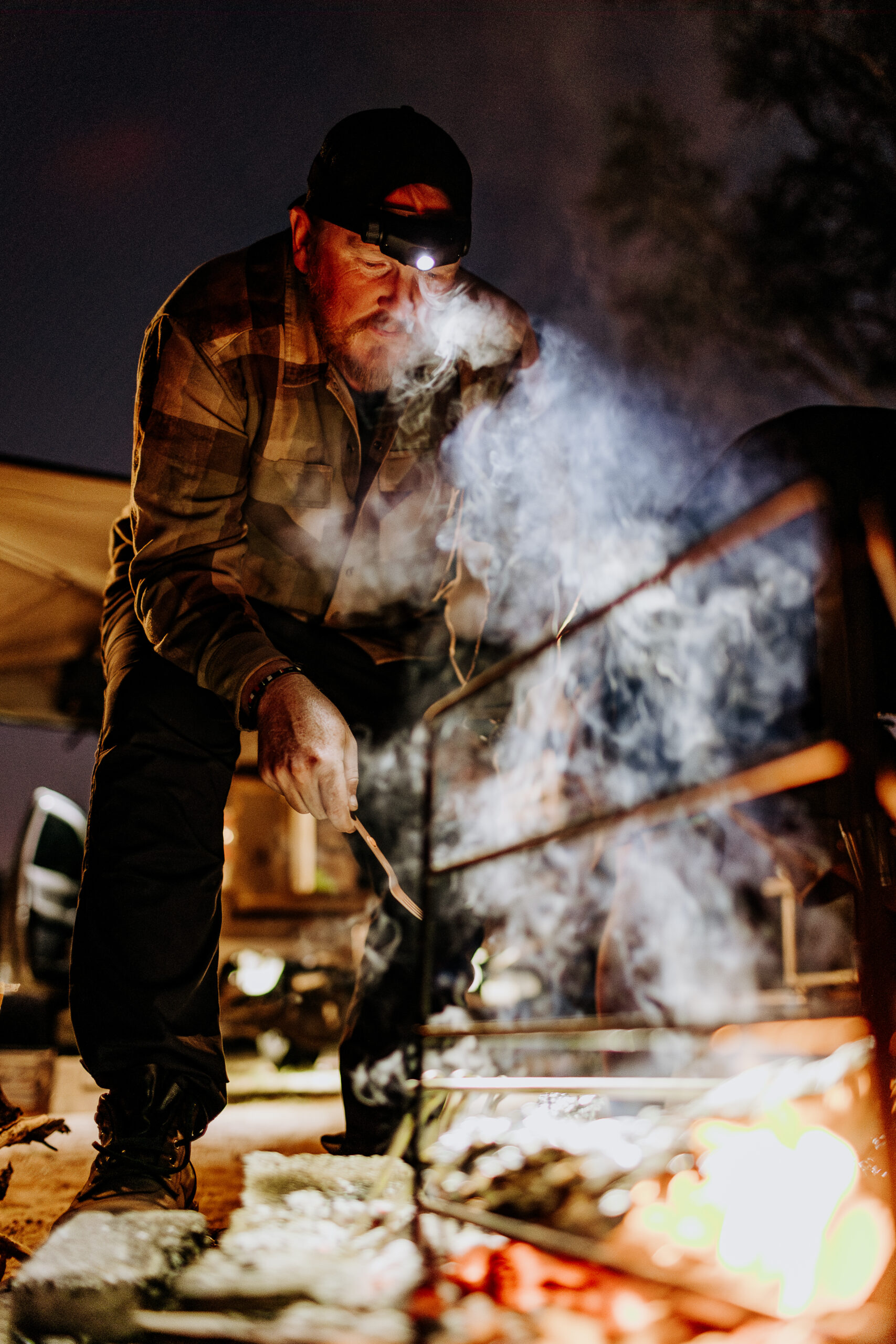
For someone who has built a career on navigating the world’s most unforgiving terrain—from the Siberian wilderness to the remote stretches of the Pan-American Highway—the concept of a “milestone” might seem like just another coordinate on a GPS. But for Clay Croft, the founder of XOverland and a storyteller who has always believed that the journey matters more than the destination, his latest project represents a different kind of landmark. Milestones isn’t just about conquering continents. It’s about the quieter, more revealing moments that define an explorer’s path. The breakdowns, breakthroughs and brotherhood that happens when you watch the world go by in the rearview mirror. In this Q&A, Croft opens up about the new series, the evolution from adventurer to mentor, and why, after millions of miles, the most important journeys are the ones that change you from the inside out.
For anyone just discovering Expedition Overland, can you give us a quick introduction to who you are and what you’re all about?
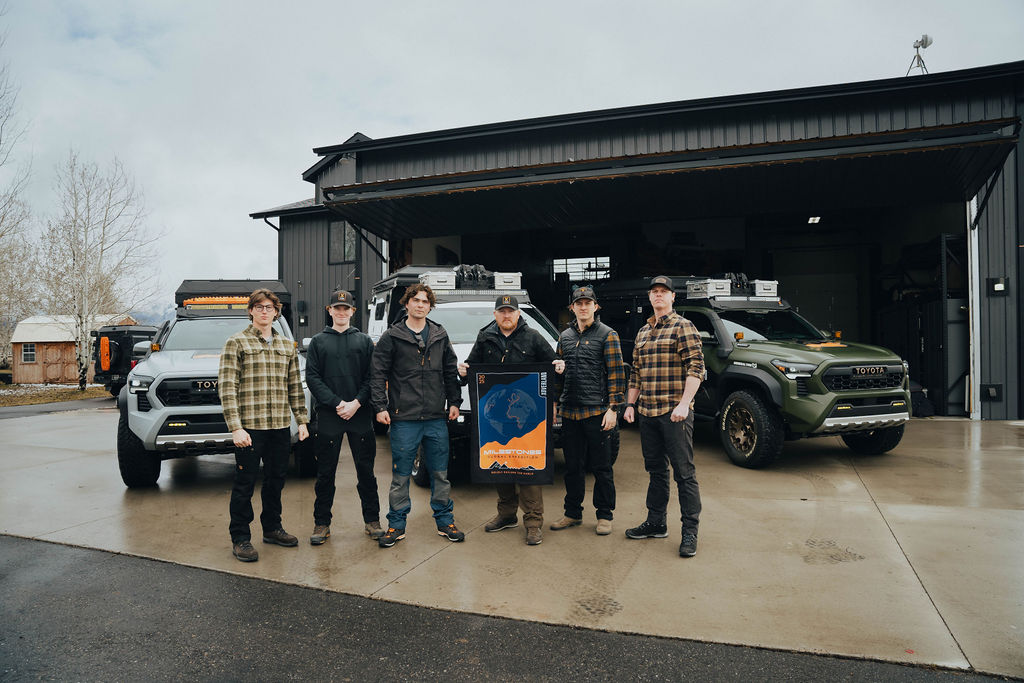
I started XOVERLAND out of a pretty simple idea. Go see what’s out there and do it in a way that challenges you. I always knew I wanted to build something lasting, but over time it’s turned into something even bigger than I ever expected. We build vehicles, travel long distances and document it all by film. At the core, however, it’s about people, growth and getting outside your comfort zone. We want people to get out and live a good story. That’s really what keeps me coming back.
The name Milestones suggests more than just a road trip. What were some of the major milestones you hit on your 25,000-mile expedition?
We definitely had some key spots we wanted to hit. Cape Spear, Newfoundland, the Lofoten Islands (which we weren’t able to see during our Nordic Series in 2022), safe passage through Nigeria and Cameroon, and Cape Agulhas were just a few of the big ones this season that felt monumental.
Tell us about the rigs that went on this trip, everything that went into each build and what purpose each vehicle served.
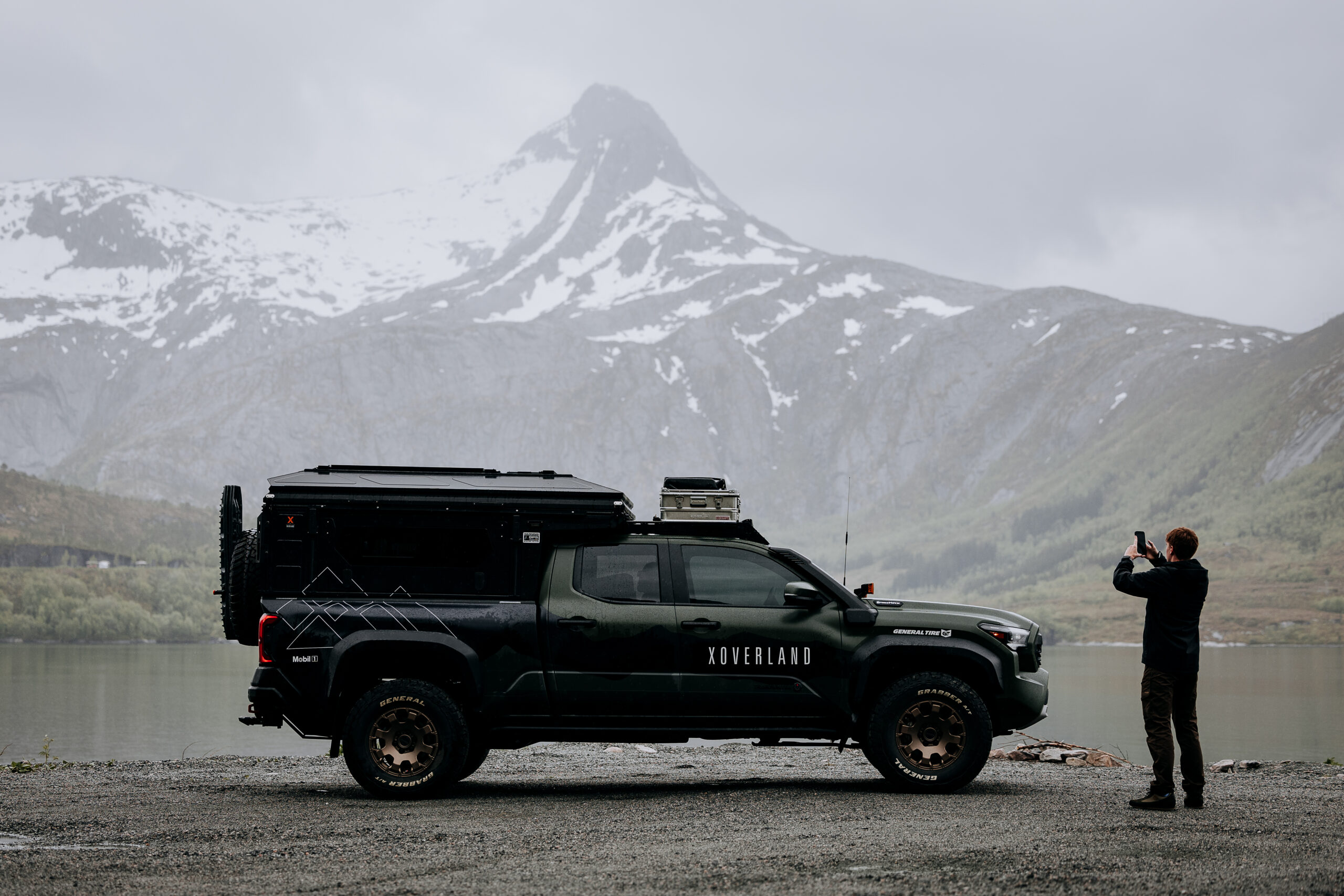
The fleet this season consisted of the following:
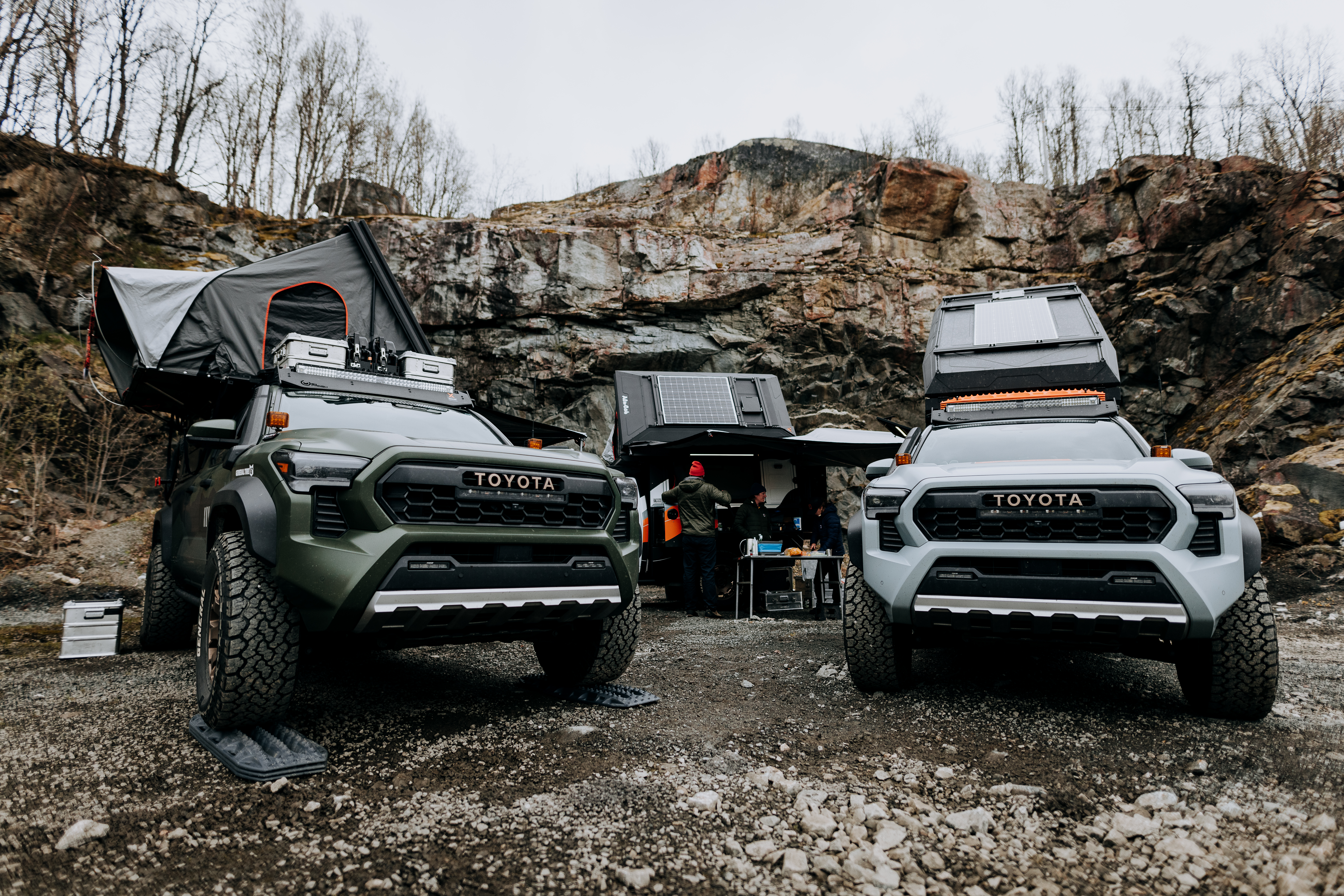
2025 Toyota Tundra (Roman), 2024 Toyota Tacoma Trailhunter 5ft bed (Spartan) and a 2024 Toyota Tacoma Trailhunter 6ft bed (Legion).
“Legion” was our lead truck with our navigators in the front of the convoy. This truck hauled most of our personal gear and slept two.
“Roman” was in 2nd position in the fleet. This was our production house, galley and post production office. It could sleep up to four.
“Spartan” brought up the rear and is the most nimble of the three. It was our gear hauler, held spare parts and all things needed for the Mobil 1 testing we did on the road. It slept two.
The Tundra was our most custom build, working with Bowen Customs out of Colorado to create a custom tray that allowed for our galley to be built directly into the truck and alleviate the need to pull a trailer.
Who went on this trip and what did each person bring to the team?
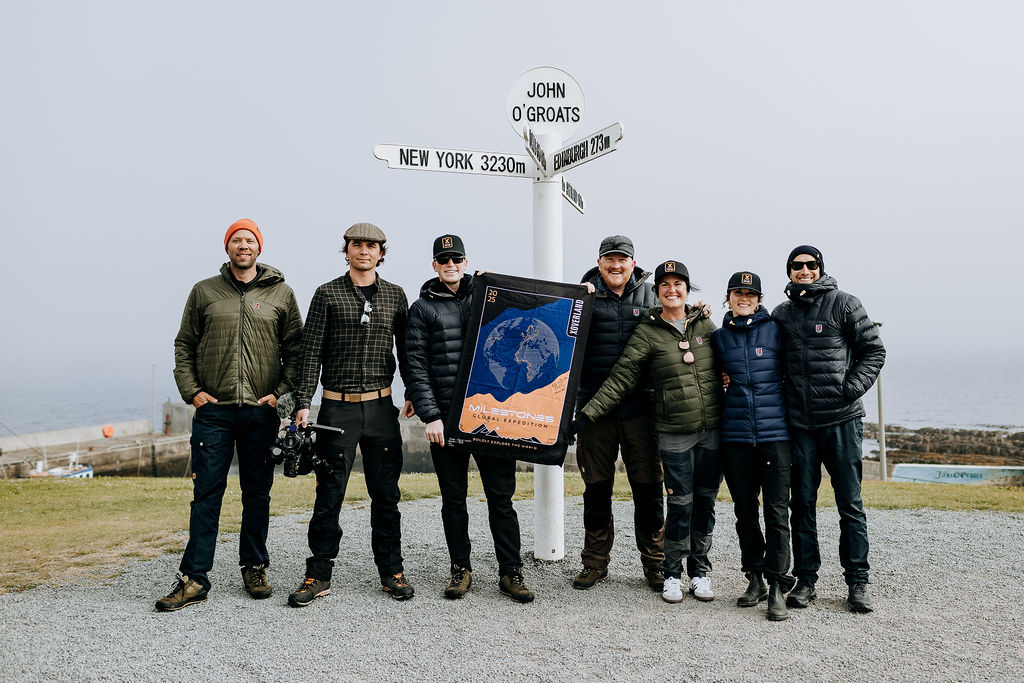
Over the course of three phases we had 13 crew members participate in the field on the trip.
Phase 1: Clay Croft – Expedition Leader/Director/Drone Pilot, Cyrus Croft – DIT, Navigation, Peter van Stralen Jr. – Camera Operator, Andy Ellis – Driver/Mechanic, Andy Potter – Field Producer, Jakob Aadnes – Photographer/Social Media.
Phase 2: Clay Croft – Expedition Leader/Director/Drone Pilot, Cyrus Croft – DIT, Navigation, Peter van Stralen Jr. – Camera Operator, Rachelle Croft – Executive Producer, Zach Johaneson – Camera Operator, Richard Giordano – Photographer/Camera Operator, Ashley Giordano – Navigator/Producer.
Phase 3: Clay Croft – Expedition Leader/Director/Drone Pilot, Cyrus Croft – DIT, Navigation, Peter van Stralen Jr. – Camera Operator, Andy Potter – Field Producer, Scott Brady – Security/Logistics, Kurt Williams – Navigator, Richard Giordano – Photographer/Camera Operator, Ryan Erickson – Security/Driver.
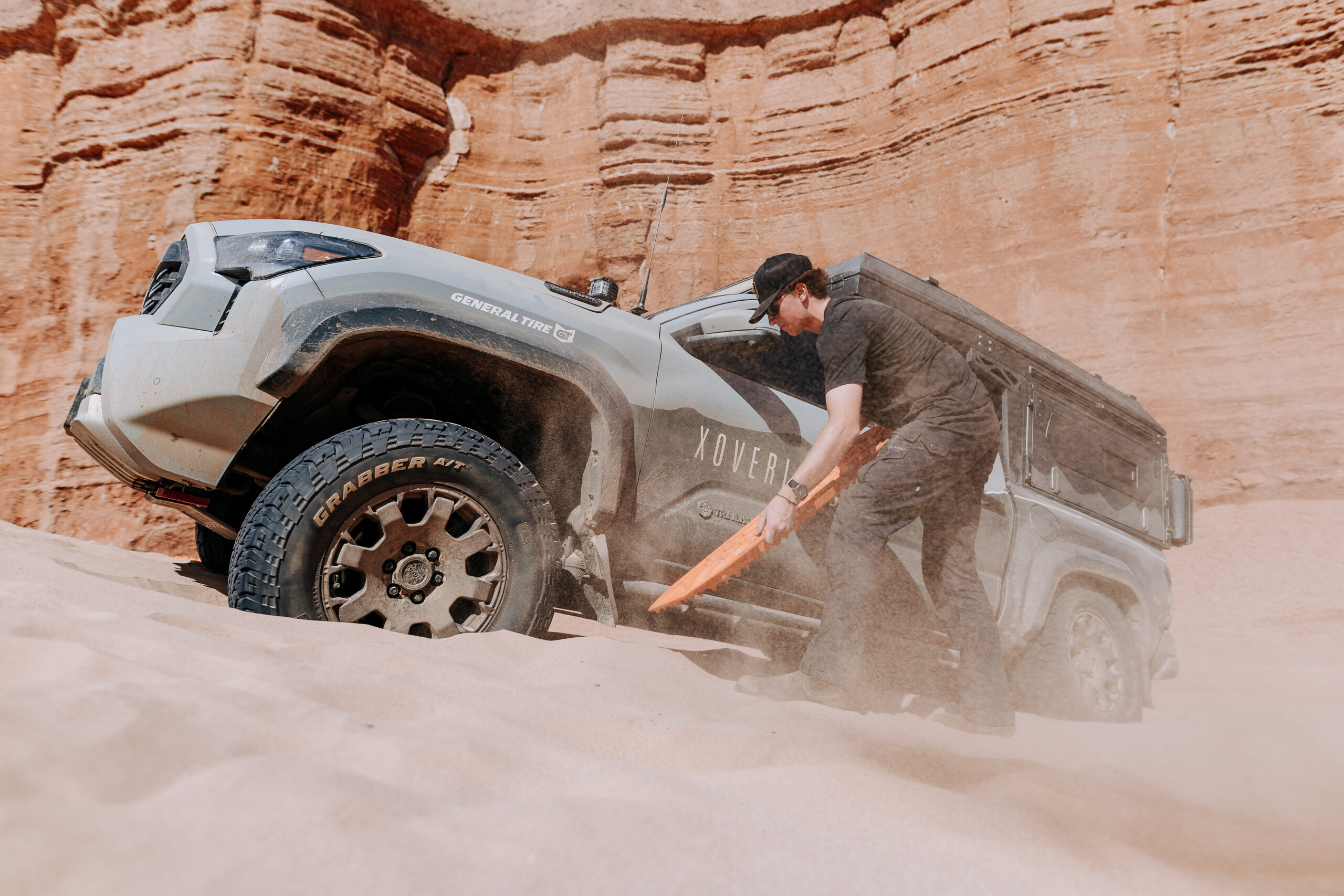
This expedition had your son come along for the ride. Was there a moment where you saw the world through his eyes that really stood out to you?
Cyrus is my oldest, and at this point is extremely well traveled. He does a great job moving at the pace that these expeditions require and is continuing to build on his skills with every trip he takes. We all had to address legitimate safety concerns during this expedition, and as a young man, he handled it just as well as us old guys.
What skills or lessons are you hoping everyone took away from this journey?
This trip was the hardest and longest in XOVERLAND history. It required patience and a level of road endurance that few ever have to work through. I can’t speak for the greater team as I believe each one of us took something very different from our time on the trip. But that’s the cool thing about travel. You can be on the same trip, and see the same things, but everyone will take away something very different. My only hope is that they took away from it whatever they were needing in that moment.
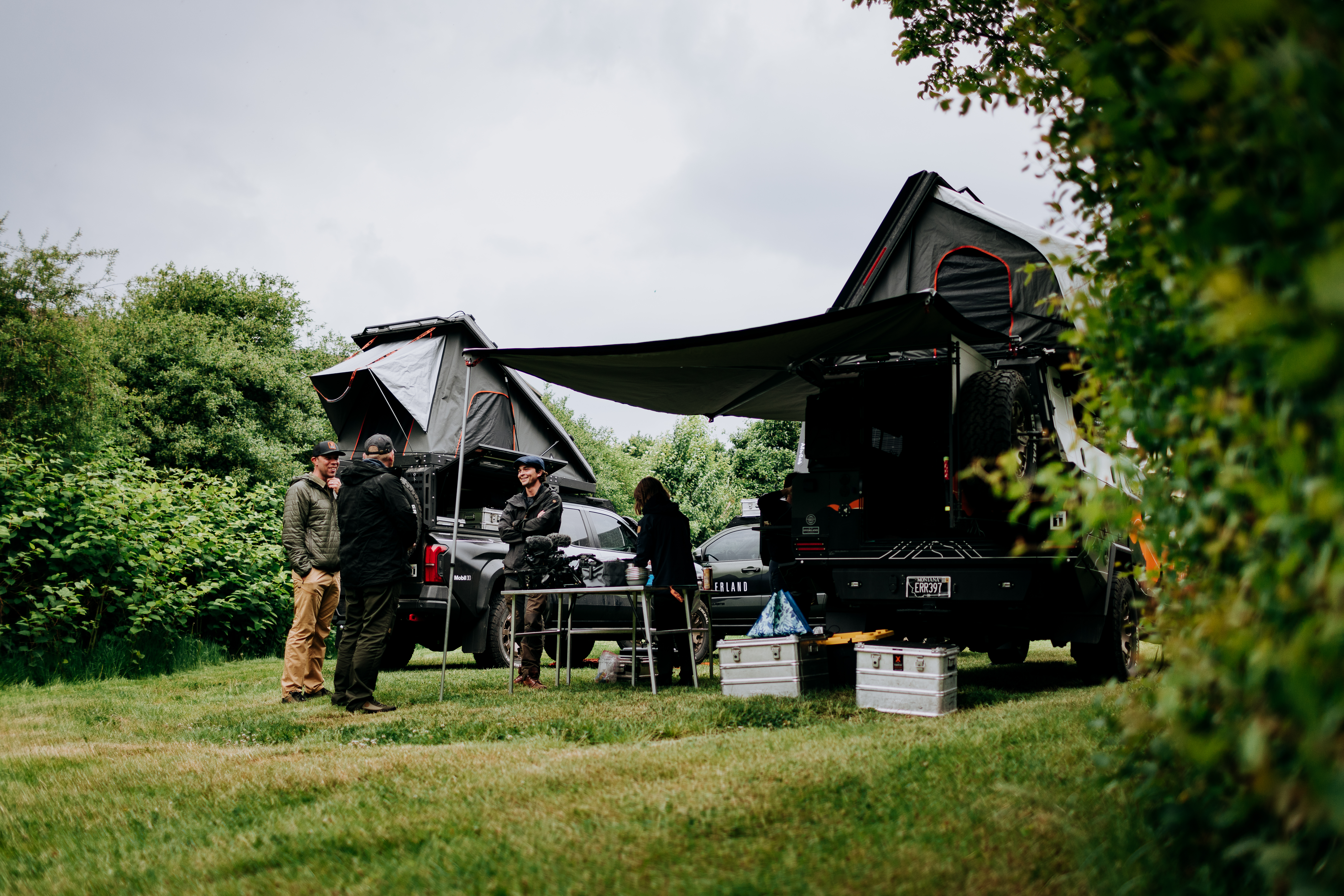
You ran both the ModCAP Camper and the ModCAP Family Camper on this trip. What other Alu-Cab product did you use and why is it important to have gear you can trust when living on the road?
The Shadow Awning truly was the unsung hero of the truck builds. Having a good-quality awning that offered dependable protection, became a necessity in keeping morale up when extreme weather rolled in. You have to truly depend on your gear when living on the road. If your gear goes down, it costs precious time to fix, or it can’t be fixed and you have to go without. Especially in remote areas of Africa, no one is coming to help you, so your dependability on your gear is even greater. Everyone on the team was very grateful we had an awning that didn’t fail us.
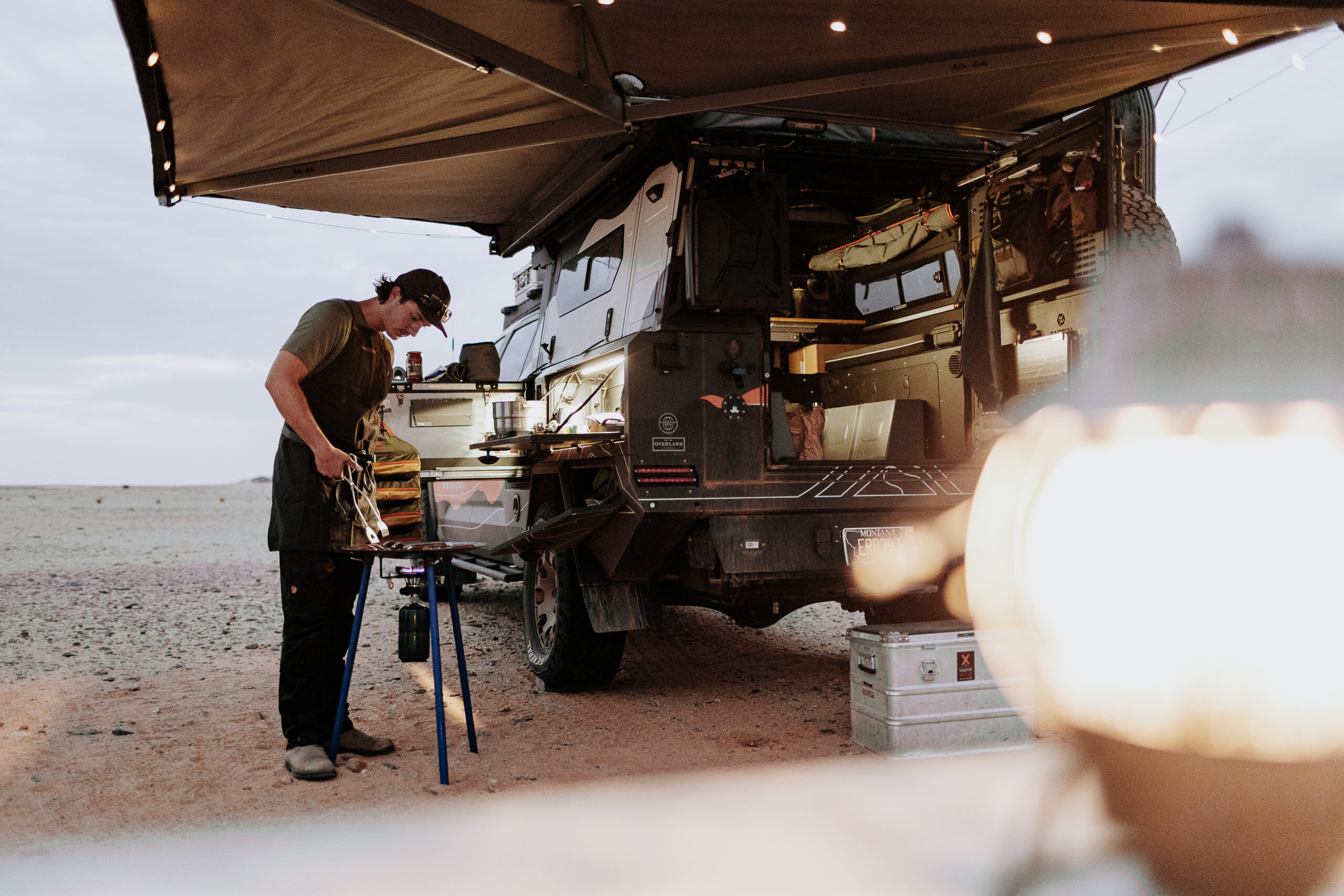
One of the biggest challenges in overlanding is keeping gear secure but accessible. Tell us how smart packing systems are crucial on an expedition like this?
On a large-scale expedition, this is a huge challenge and something we spend quite a bit of time thinking through before leaving. We’re managing anywhere from 6–8 team members and their personal gear, and we’re constantly on the move, so everything truly needs a place, and it needs to stay there no matter the terrain. If you have to move something to get to something, it is organised poorly. Alu-Boxes gave us structure and protection for the essentials. MOLLE systems and smart packing layouts allowed us to layer gear in a way that’s organised, visible and quick to access when we needed it most.
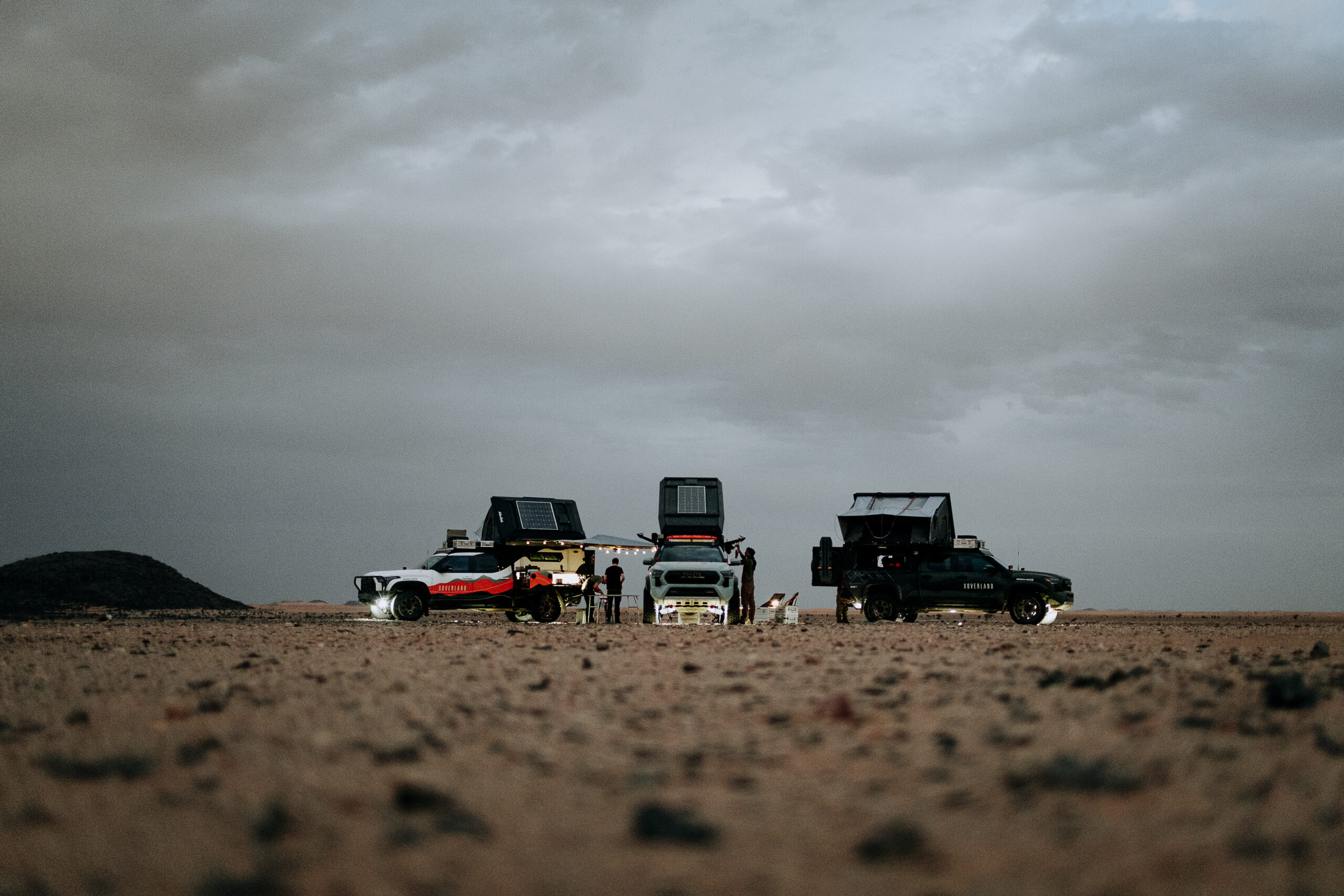
Overlanding gear isn’t often tested by the sustained, relentless pressure of a 25,000-mile expedition. Was there a moment in the Milestones series where you looked at your setup and thought, “I’m really glad we went with this gear”?
Every day on the road demands fast, efficient systems. Alu-Cab meets that requirement. The goal of these builds is to be faster in the field, lighter on the frame and to prolong the reliability of the platform. Simplicity is key to that, and the Alu-Cab system delivers on all fronts. Simple, highly functional and comfortable.
For someone just getting into overlanding, what is the one piece of advice you’d give them about building their own rig?
From the beginning, think about what you’ll need in the end. Get out and use the truck, and you’ll quickly discover what matters most. I can guarantee it will come down to simple systems, thoughtfully designed to maximize your time in the field.
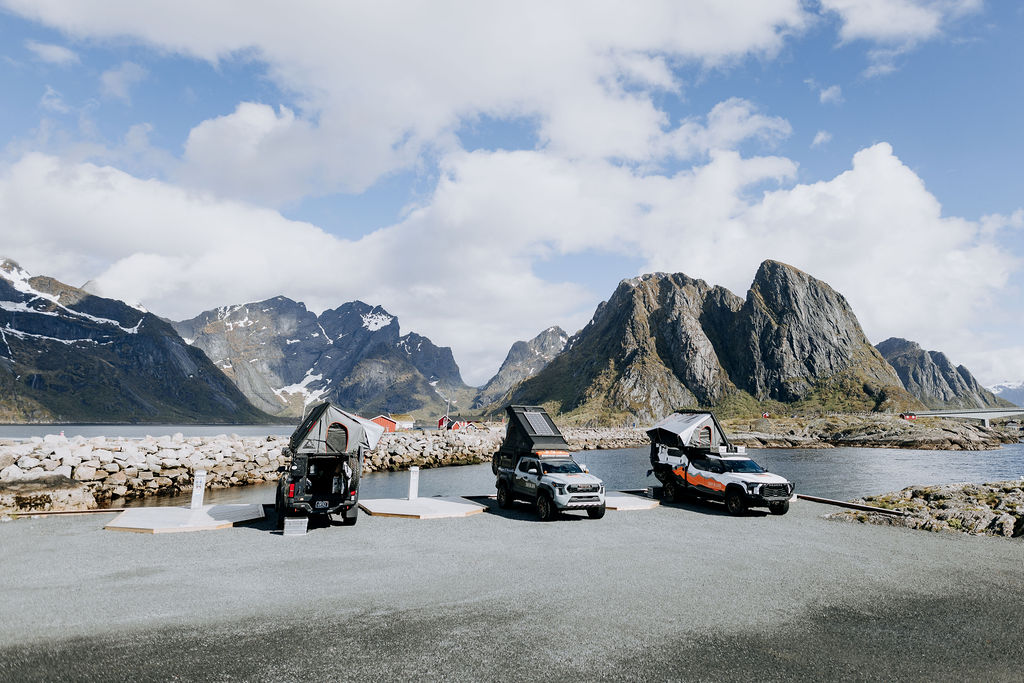
Looking back, was there one single view from the driver’s seat that has stuck with you?
It’s a toss-up between the islands of Lofoten, Norway, and their presence, or the vast dunes of the Sahara in Mauritania. These perspectives through the windshield were frame images in my mind of power, beauty and scale. Both made a man feel small in the best way.
Border crossings are often the most stressful part of an African overland trip. Can you walk us through what it’s like navigating these with fully loaded expedition rigs?
The trucks themselves, ironically, attracted little attention from border agents. The worst border was Morocco. They tore the trucks apart the most, looking mainly for drones. But the rest of the borders did not hassle the trucks much. I think it’s because of how they are built and branded. It’s obvious we are not trying to hide anything. So the borders became about getting six guys from two nationalities through the bureaucratic gauntlet. It was a chore, but we got it done. The carnet de passage was the ticket for the vehicles, and patience for the people.
One of the best parts of overlanding is the people you meet along the way. Did you have any memorable interactions with locals that gave you a different perspective on the regions you were traveling through?
We loved meeting Mohamed in the Sahara Desert in Morocco. His tea stop in the middle of nowhere was a surprise. His off-grid solar system gave me one of the coldest Cokes of my life. It was magic. He was genuine, a true host and a great example of the people you find out in the world.
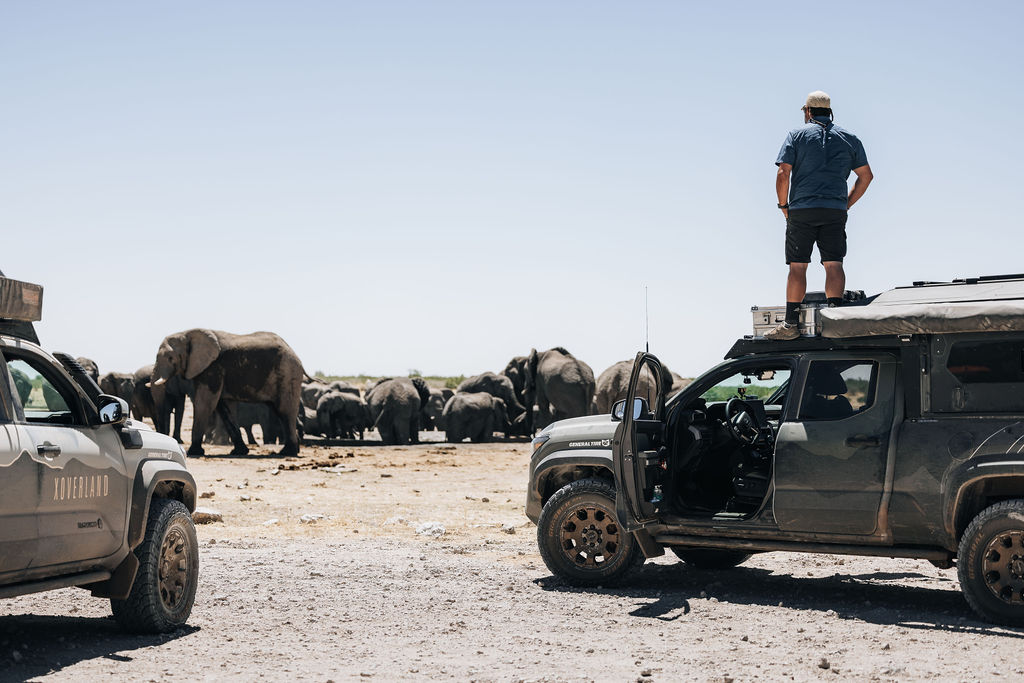
Animal encounters are a given. Did you have any moments where you were glad for the security of your rig when the bush came alive?
Every day in the bush, you’re glad to be behind a good camp system. The food chain is real, and you are somewhere in the middle of it. A good camper was key to feeling safe at night.
What’s the strangest or most delicious thing you ate on this trip?
Hmm. The craziest thing we can’t talk about. But the next craziest thing was Kurt’s mac and cheese. He’s a master with the addition of mystery meats from across the globe.
What was the most surprising or challenging driving condition you faced, and how did the rigs handle it?
The most intense was the city streets. Nigeria in particular is wild. It’s amazing those trucks didn’t get damaged. We were only struck by one motorcycle, thankfully, and his handlebar left a black streak across the passenger door. That’s it. Beyond that, the roads of Guinea are horrible. The road “dips” are the size of our trucks, sometimes as deep. Thankfully, we did not go through there during the rainy season. Regardless, the trucks handled it all well. We traveled the whole distance and only lost one rear shock bolt.
Was there a specific camp spot that stands out as the perfect “one-night stand”?
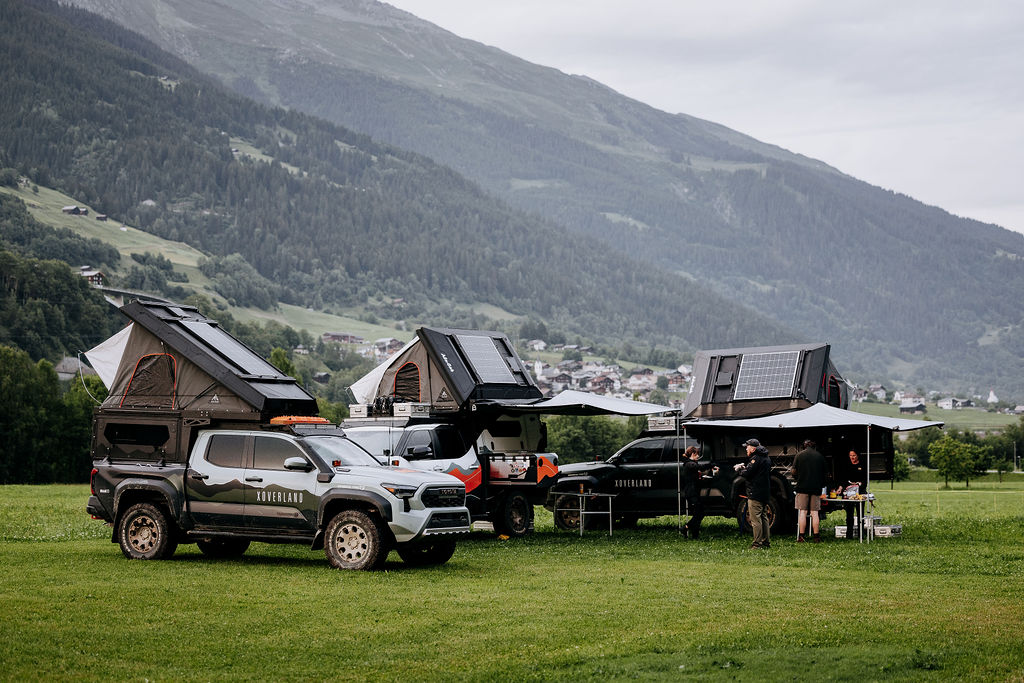
A place you wish you could have stayed for a week? Absolutely. This place was Switzerland for me. I love the mountains there. Others would probably say Lofoten islands in Norway. I know for a fact I would also stay at Bakkrans Private Wilderness Concession in the Cederberg Mountains. A magical place.
How difficult was it to balance being an expedition leader with being a filmmaker? Do you ever have moments where you just wanted to put the camera down and soak it all in?
This is always a very difficult position, but it’s often best to have it held within the arguments of a single person’s mind. It’s sometimes an impossible task. A film must be made to the best of its ability while maintaining the course, risk, and timing of the expedition. And of course the morale of its members. Thankfully, the expedition members know that we are there to make the film. So when the decision is tough, we go to work regardless of the decision and its impact. I have a highly professional crew.
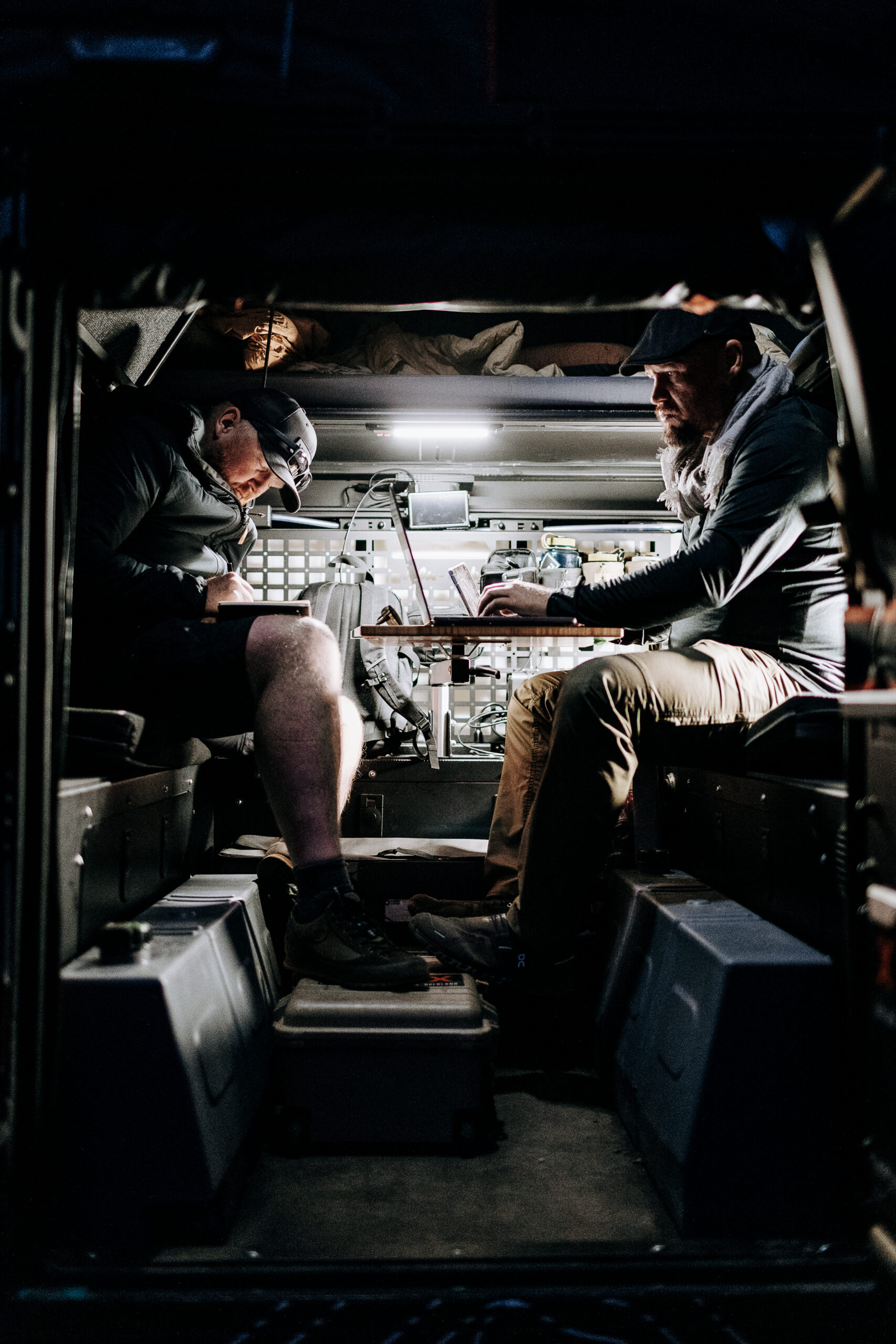
When you reached Cape Town you visited the Alu-Cab factory. Talk about that full circle moment?
It’s amazing to see what Alu-Cab has built, and to know that the campers traveled from there to the United States, processed through OK4WD, and sent on to Montana to be assembled on the trucks and driven back 26,700 miles to Cape Town is wild. It was a cool feeling driving those trucks into Alu-Cab, 130-some days after leaving Montana, USA.
The Milestones series is being released as a 10-part documentary. What can viewers expect that they haven’t seen from XOverland before?
This series is fresh in a lot of ways. We focus a lot on the travel aspects and the adventure of being out there. We have never traveled this far and put it within a series. I think people will see a snapshot of the world that otherwise would not be possible.
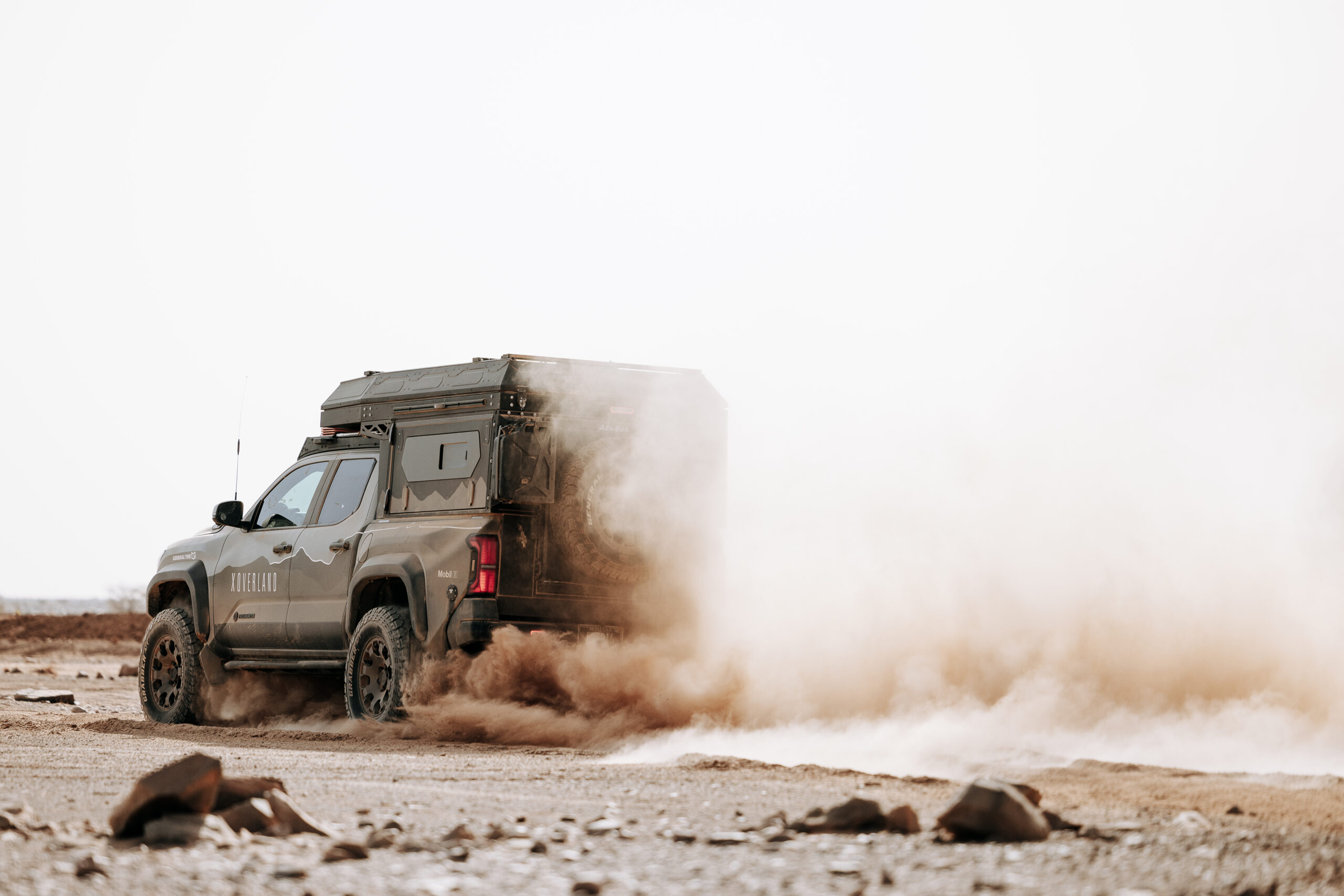
Without spoiling too much, is there an episode or a moment in the series that you’re particularly proud of? Something that you think really captures the essence of what it means to undertake an expedition like this?
I am very proud of all the episodes. They are our best work. But the intensity kicks in Episode 7 and barely lets off by the end of Episode 9. I think many folks will love the whole series from start to finish. And of course, the end was an intensely emotional experience.
My biggest thanks to the hard work the entire team at Alu-Cab puts into your product. From the design team to the assemblers, powder coaters, sewers, riveters and final assembly teams. Your products have safely and comfortably taken us and many others around the world, and it was a pleasure the whole way. Carry on! A huge thank you from the entire XOVERLAND team.
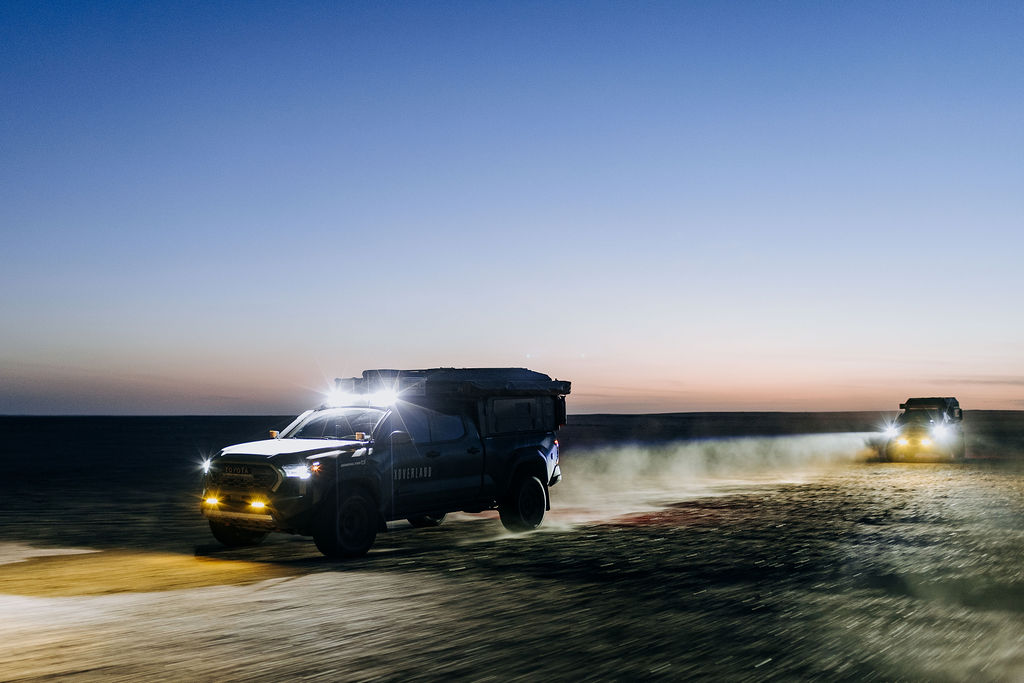
Milestones: Global Expedition is a ten-part series follows the XOVERLAND team across three continents, covering over 25,000 miles of the most demanding terrain on Earth. Watch on YouTube or Prime Video, for an intimate, cinematic look at what it truly takes to pull off a modern global expedition.