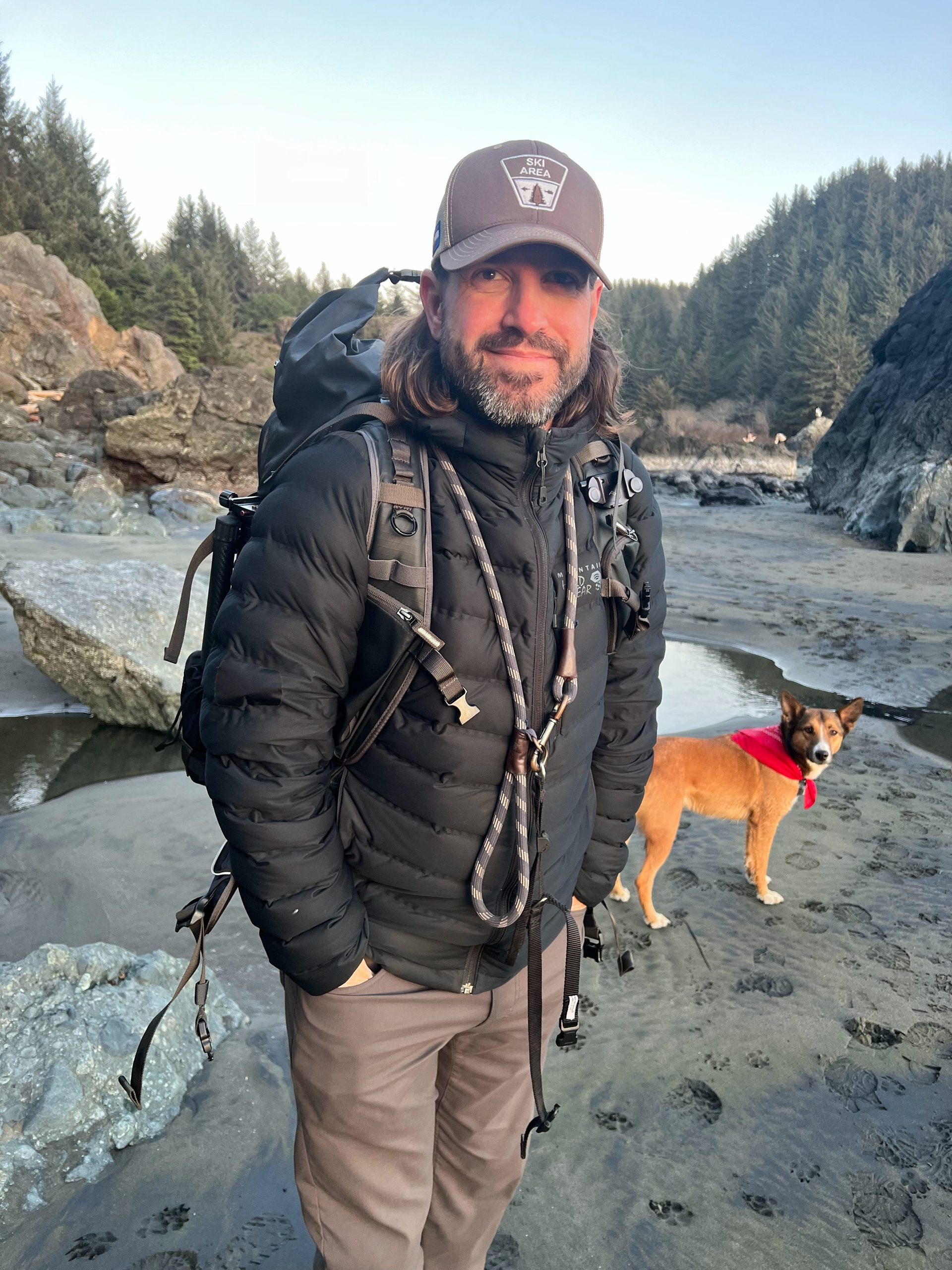
Cass Kolkjen has lived in Minneapolis, Atlanta, Chicago, San Diego, Hawaii and now Oregon. He’s photographed his way through most of the miles in between. His Alu-Cab Canopy Camper, mounted on a 2021 Toyota Tacoma, is the second Alu-Cab rig of his life. Here’s why he keeps coming back and insists on building a rig that lets him do what he loves.
By day Cass Kolkjen works in R&D at Intel. Every other chance he gets, he’s somewhere with a camera, chasing the same question that’s followed him his whole life.
“I’ve always had a strong desire to explore and experience new places, and photography naturally became a way for me to document those adventures,” he says. “For me, the two have always gone hand in hand. The desire to see what’s around the next corner, and the desire to capture something meaningful from the experience.”
That’s the whole philosophy in two sentences. Everything else — the truck, the camera bag, the five years he’s spent living out of an Alu-Cab — is just the machinery that makes it possible.
Plan Enough to Leave, Then Let Go of the Plan
Cass will tell you he prepares for a shoot the same way he prepares for anything. Books, maps, a few tips from friends who’ve been there before. But he’s quick to draw the line between research and rigidity.
“I prefer to wander,” he says. “I like having a general idea of what I’m getting into without having every moment planned out. Leaving room for spontaneity is a big part of the experience for me. You never really know what you’re going to find once you get there.”
It’s a mindset that only works if the logistics behind it are dialed. Which is exactly where his rig comes in.
What’s Actually in the Truck
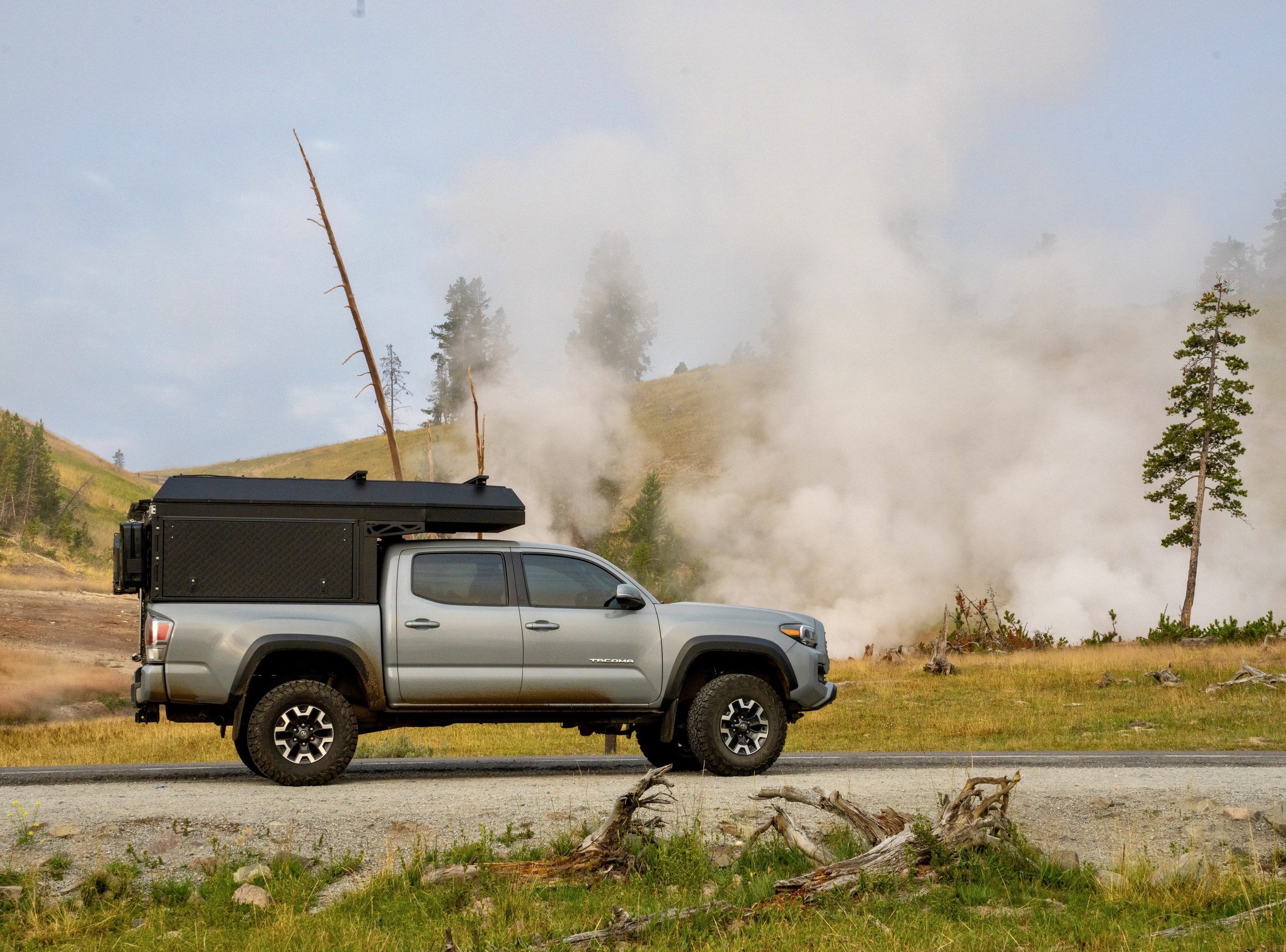
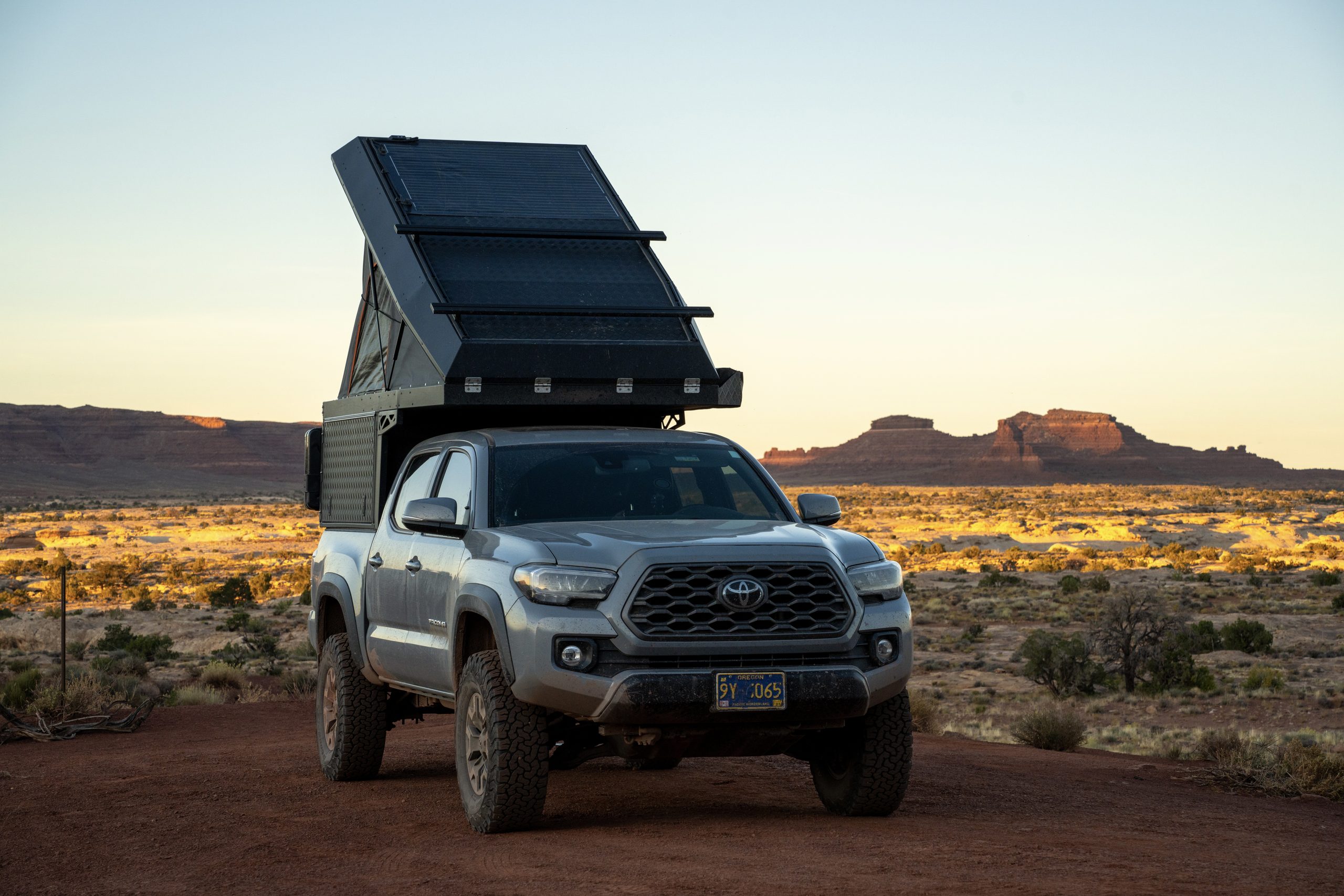
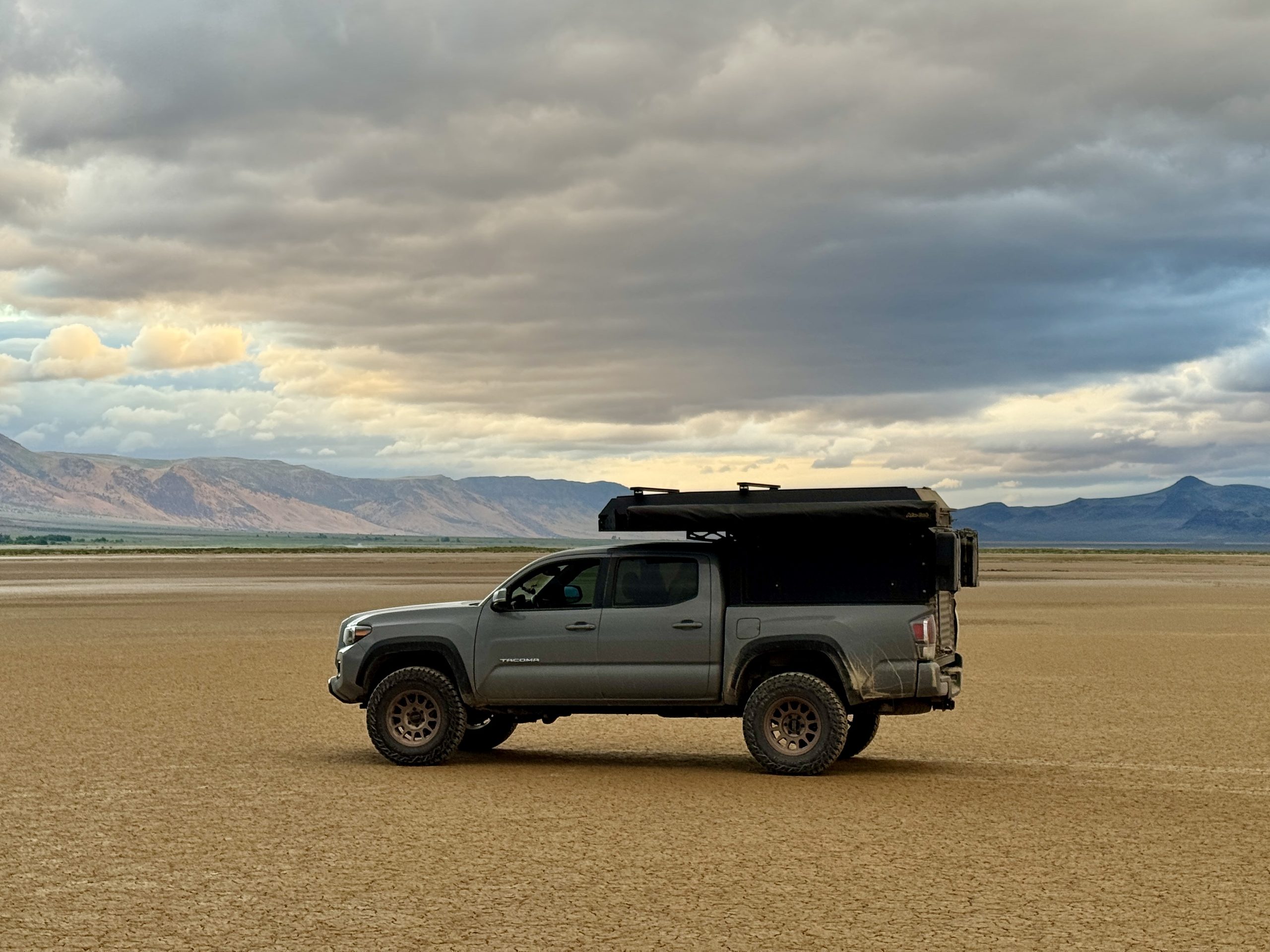
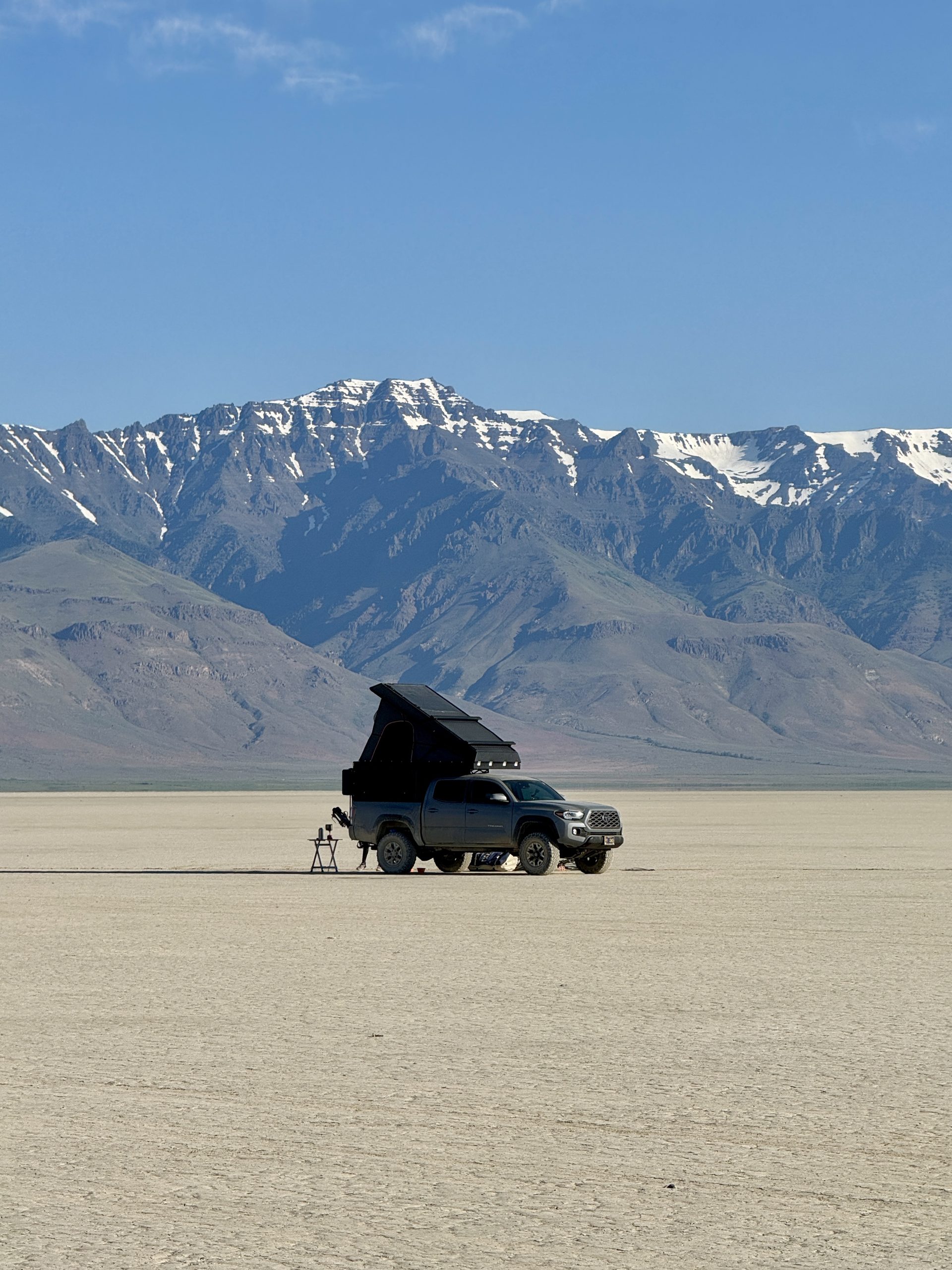
Cass’s current setup is a 2021 Toyota Tacoma Double Cab Short Bed carrying an Alu-Cab Canopy Camper. His second Alu-Cab build of his life. He picked the Tacoma specifically for the camper going on top, and specifically because a full-size truck wasn’t going to fit down the trails he actually wants to drive, or in the garage he actually owns.
Underneath, the truck runs SPC upper control arms, Old Man Emu BP-51 shocks, Stage 3 Deaver leaf springs, Method 703 wheels on 285 Mickey Thompson Baja AT tires, and Rago Fabrication leaf hangers. On top, the camper interior is a build Cass did himself. Extruded aluminium, a maple floor, a countertop with storage underneath, built-in seating, an induction cooktop, a fridge, a dual-battery system anchored by a 100Ah under-hood battery and a 126-watt Sunflare solar panel keeping it all topped up.
Ask him what he actually carries on a trip and the answer is almost anticlimactic: “Since I have the Canopy Camper and usually keep most of my gear in the truck, I really only have to worry about the basics. Clothes, food, water, cameras, fresh SD cards and charged batteries.” Everything else is already staged and ready to go, which is precisely the point. “Having the camper set up the way I do means that most of the things I need are already there and ready to go, which makes it much easier to decide to just head out.”
Built by People Who Do This for a Living
Cass didn’t build the truck side of things alone. The Alu-Cab components were installed by Mule Expedition Outfitters, and the suspension work went to Accessory Outfitters. Both based in Oregon, both trusted with getting it right the first time.
“Having a professional build out the rig is definitely a luxury, but it also gives me a lot of peace of mind when I’m traveling into remote locations,” he says. “When you’re miles from the nearest town, knowing that the important components of your vehicle have been installed properly is worth a lot.”
It’s a detail worth sitting with if you’re building your own rig. The confidence to actually use it the way Cass uses his – deep into places that are hard, or nearly impossible, to reach any other way – often starts with who bolted it together.
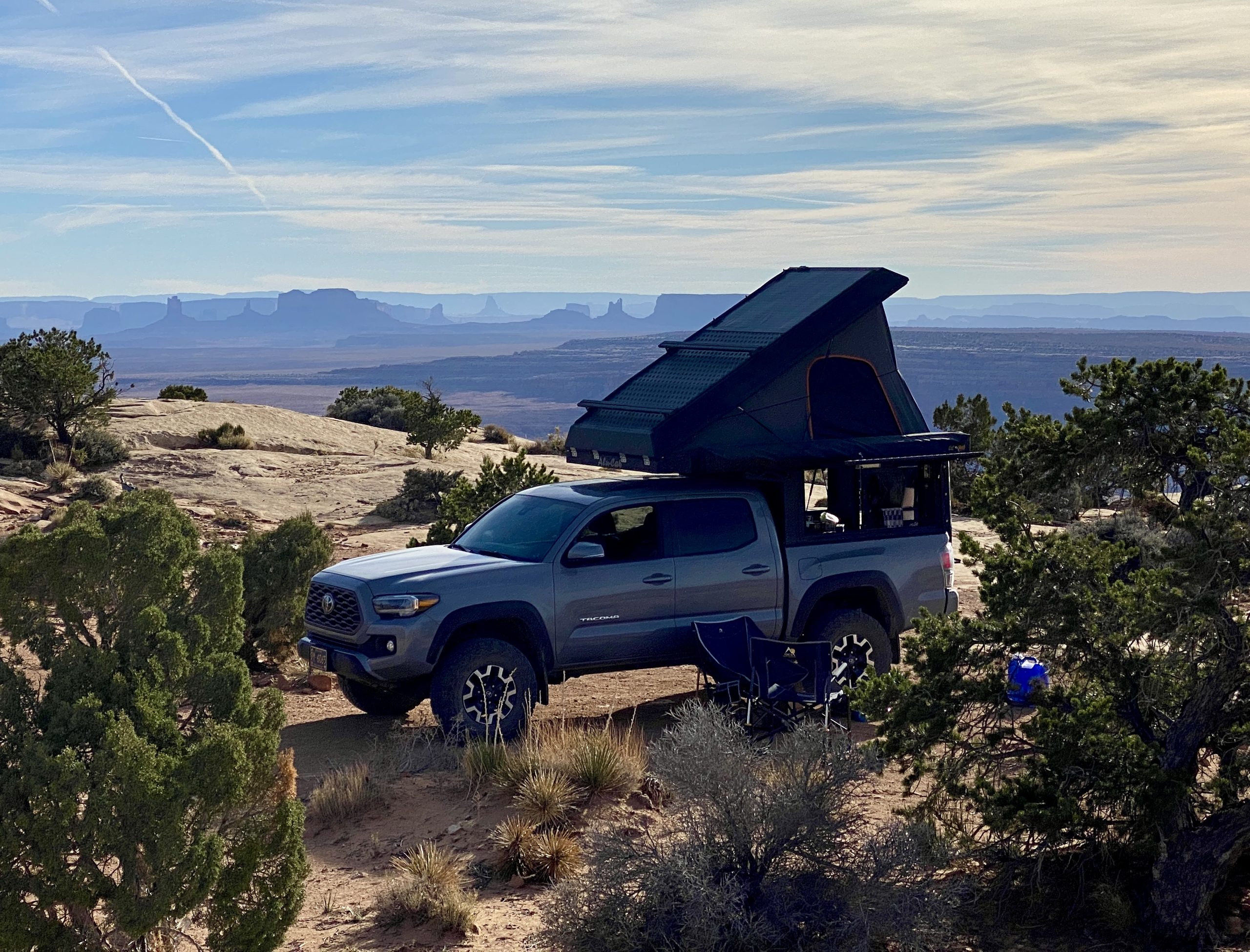
Chasing Light, Not Forecasts
Ask any photographer about golden hour and you’ll get the same answer. Cass’s take on it goes a layer deeper.
“Sunrise and sunset, along with the hour or so before and after each, are always my favorite times to shoot,” he says. “Everyone chases sunsets, but sunrise is really where it’s at for me. I tend to reflect more fondly on my sunrise experiences because there are usually more opportunities to have those moments to myself.”
His advice for weather, too, cuts against instinct: “Don’t chase a forecast, just go. Whatever conditions you encounter, you’ll likely enjoy the experience regardless of whether you come home with the photo you had envisioned.” And for anyone trying to develop an eye for light, his answer is refreshingly humble for someone whose portfolio stops people mid-scroll: “I still consider myself a beginner, honestly. Keep your eyes open, shoot what brings you joy, and expose yourself to the work of photographers you admire.”
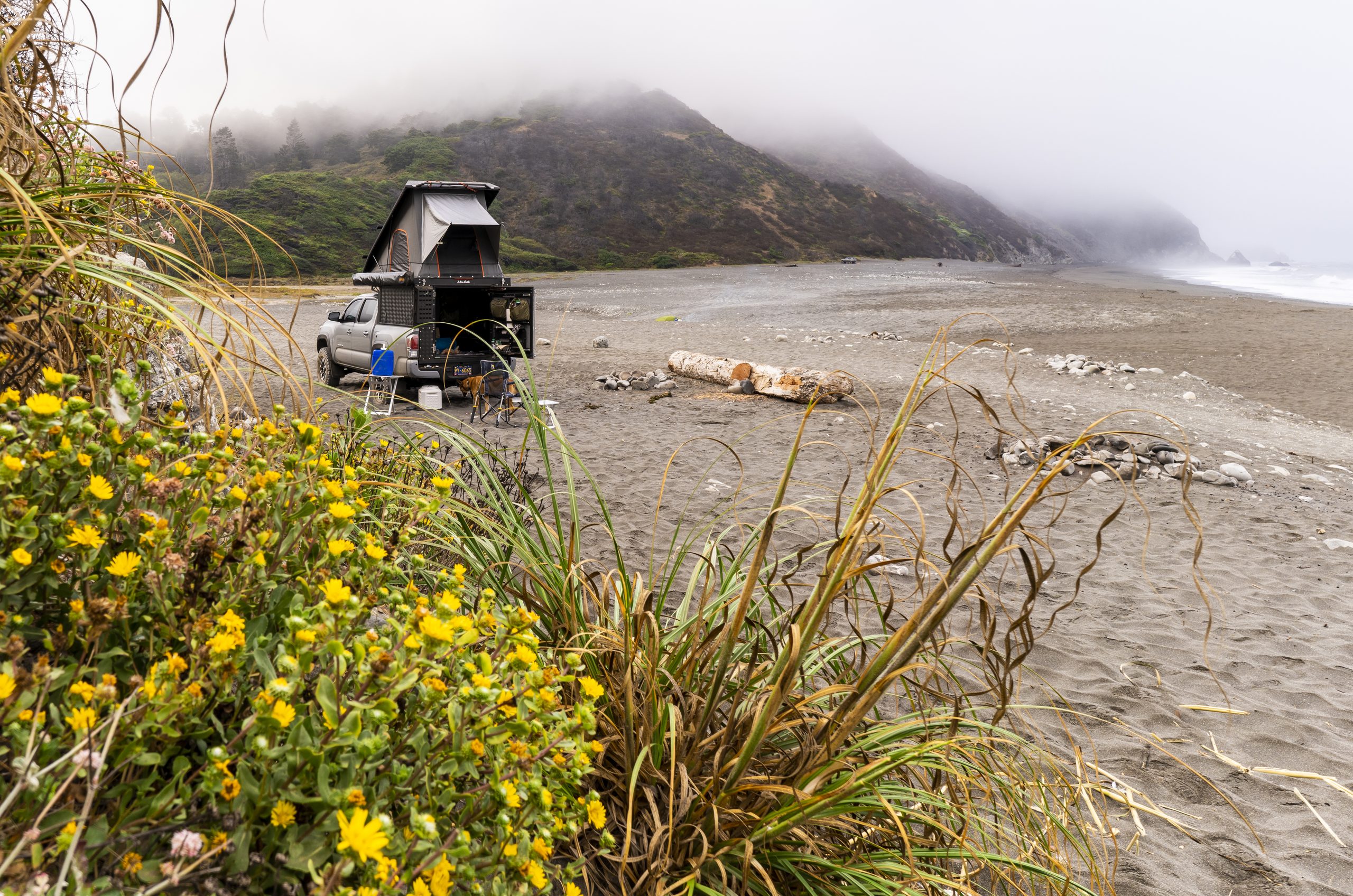
Finding the Story Hiding in One Frame
A lot of Cass’s images read like a scene from a longer story rather than a single snapshot. “Throughout each day I’m looking for what I perceive as the most iconic scene,” he explains. “Sometimes it’s from a lake, sometimes a vista, a dry lake bed, and sometimes it’s something much more subtle. I just try to capture that scene as best I can, during the best light that’s available, and I’ll often give it another go at sunrise or sunset.”
His advice for anyone trying to move past vacation snapshots comes down to time on the ground, not gear in the bag: “Find something at the place you’re visiting that speaks to you. Explore it fully, look for the best compositions, and then come back and photograph it in the best light. Spending more time with a place is one of the biggest differences between simply taking a picture of somewhere and actually capturing how it feels to be there.”
It’s advice that only works if you can actually afford the time. This loops right back to building a rig the way he has. A camper that’s comfortable enough to live in for days, not just a night, is what turns a drive-by into the kind of extended stay that produces a photograph worth keeping.
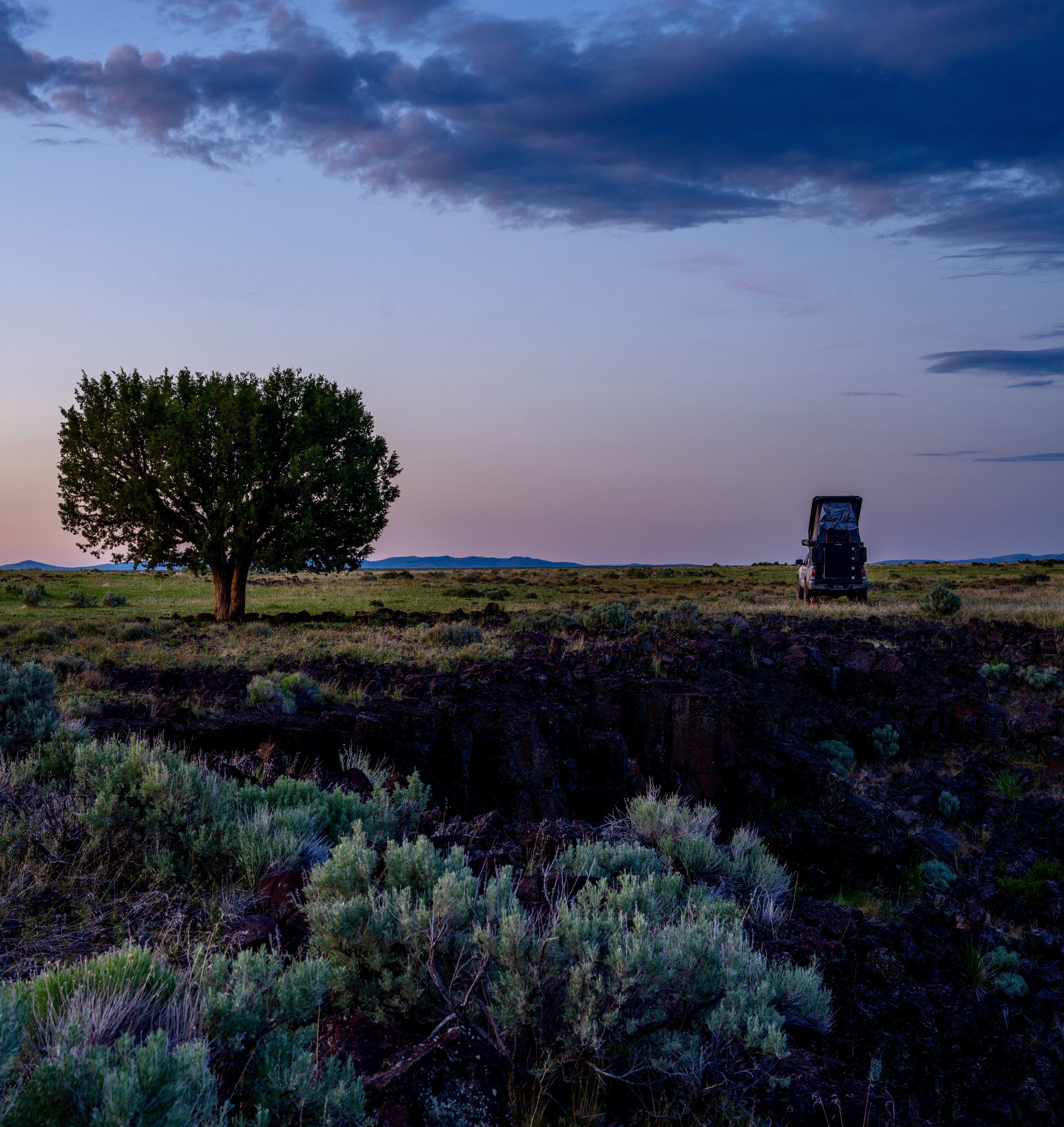
A Home Base That Comes With You
For Cass, the value of a Camper isn’t abstract. “Having my current rig allows me to travel far more often than I could if I had to rely on expensive hotels, while also being much more comfortable and convenient than simply pitching a tent,” he says. “I really love just being able to push the tent up and camp is ready to go. Likewise, when it’s time to go, I just pull it down and I’m on my way.”
The bigger payoff shows up once he’s actually arrived somewhere remote. “The way it’s built allows me to reach some extremely remote areas that would be very difficult, or nearly impossible, to access otherwise. More importantly, it makes it easy to stay once I get there. I can spend several days exploring an area instead of having to rush through it.”
That’s the trade Alu-Cab gear is built around. Comfortable enough to actually live in, capable enough to not get in your own way. “I chose Alu-Cab because it gives me the ability to have a comfortable, capable base camp without sacrificing the maneuverability of the truck,” Cass says. “It’s a setup that lets me spend much more time in the places I want to explore.”
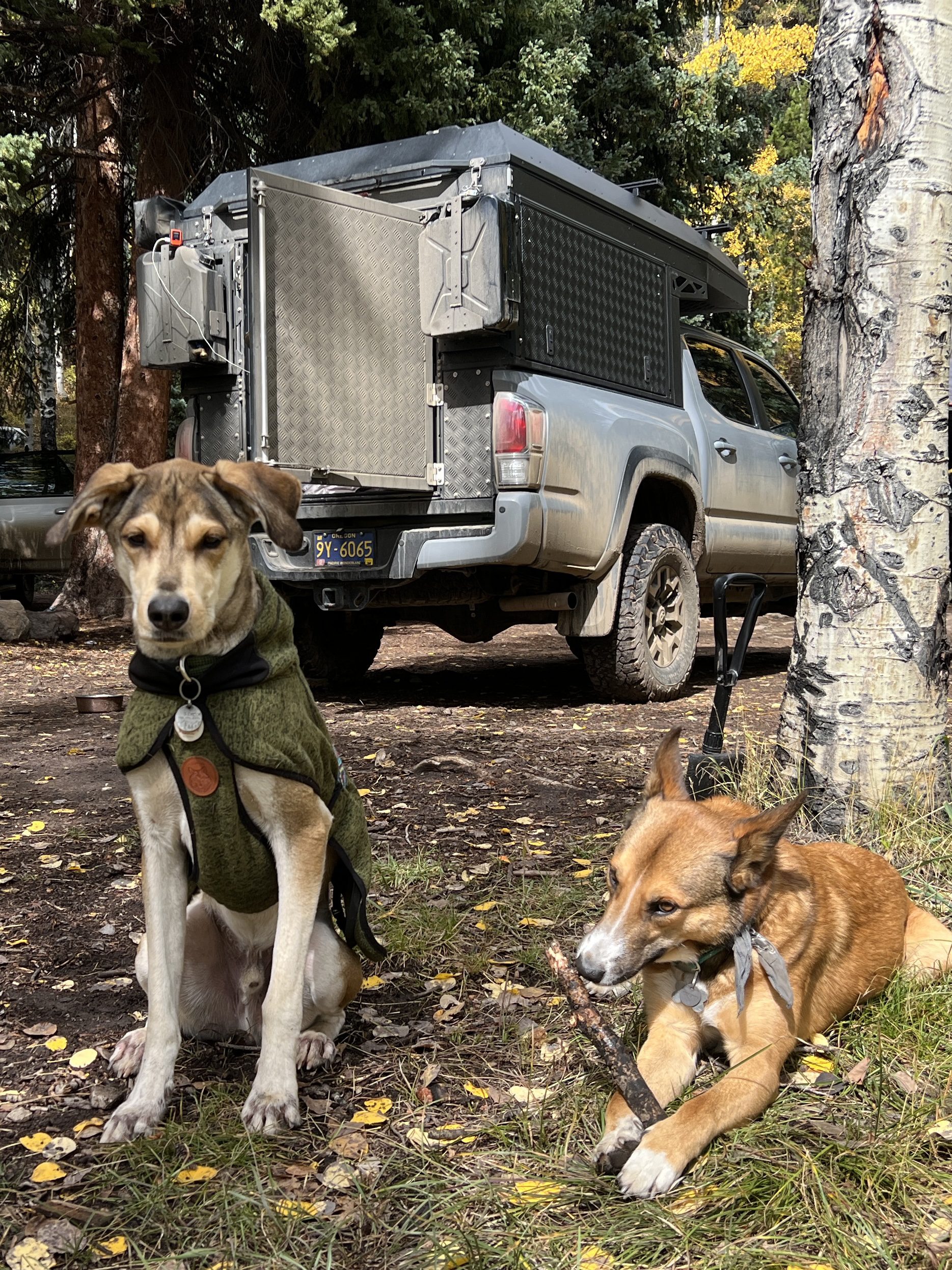
The Co-Pilot Who Never Complains About the Itinerary
No conversation about Cass’s rig is complete without his dog, who rides along whether Cass is traveling solo or with a full crew.
“I think this is one of the greatest parts of traveling in my Alu-Cab. The ability to bring my dog everywhere I go,” he says. “He’s my constant companion, regardless of whether I’m traveling with other people. He loves the adventure as much as I do, and seeing the joy it brings him to experience all of these places with me makes the experience that much richer. There’s something pretty special about sharing a beautiful place with a dog who is just as excited to be there as you are.”
Leave It Better Than You Found It
Cass’s photography has quietly become an advertisement for the places he visits. Whether he intends it that way or not. And he takes the responsibility that comes with that seriously.
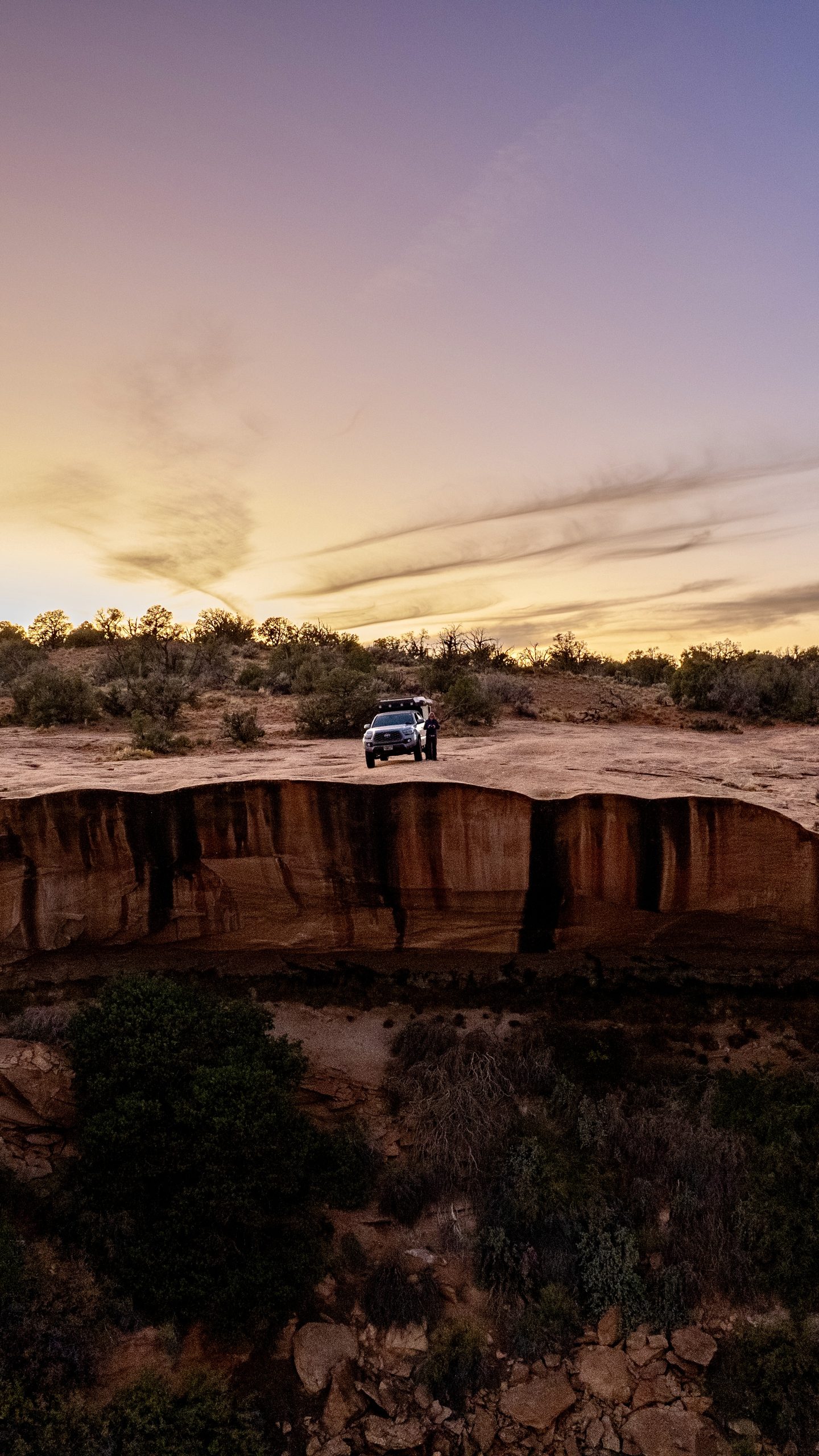
“To me, it’s closely related to the Leave No Trace principles. But it’s something I’ve also adopted from the people I’ve surrounded myself with. People who have taught me to stand up for the environment and the places we love to create in,” he says. “I spend a lot of time camping, and unfortunately I see plenty of people who aren’t doing their part to keep these spaces clean for everyone. If you see someone else’s trash, pick that up too. Ultimately, I want to leave these places better than I found them so the next person can have the best experience possible.”
Five Years In
Cass has been running Alu-Cab gear for five years now. Across two different rigs. When he looks back at what it’s actually given him, the photographs almost feel secondary.
“Traveling in my Alu-Cab over the last five years has allowed me to experience places that I wouldn’t otherwise have been able to experience as comfortably,” he says. “More than anything, I’m grateful for the communities I’ve become a part of and the people I’ve met along the way. Those relationships and experiences mean the world to me. The camper has ultimately become much more than a way to travel. It’s given me the freedom to explore, to spend more time in the places I love, and to share those experiences with the people, and dogs, that make them even better.”
Wake up for sunrise. Be curious about everything. Be present. It’s simple advice, and after building his rig Cass Kolkjen has built an entire life around actually following it.