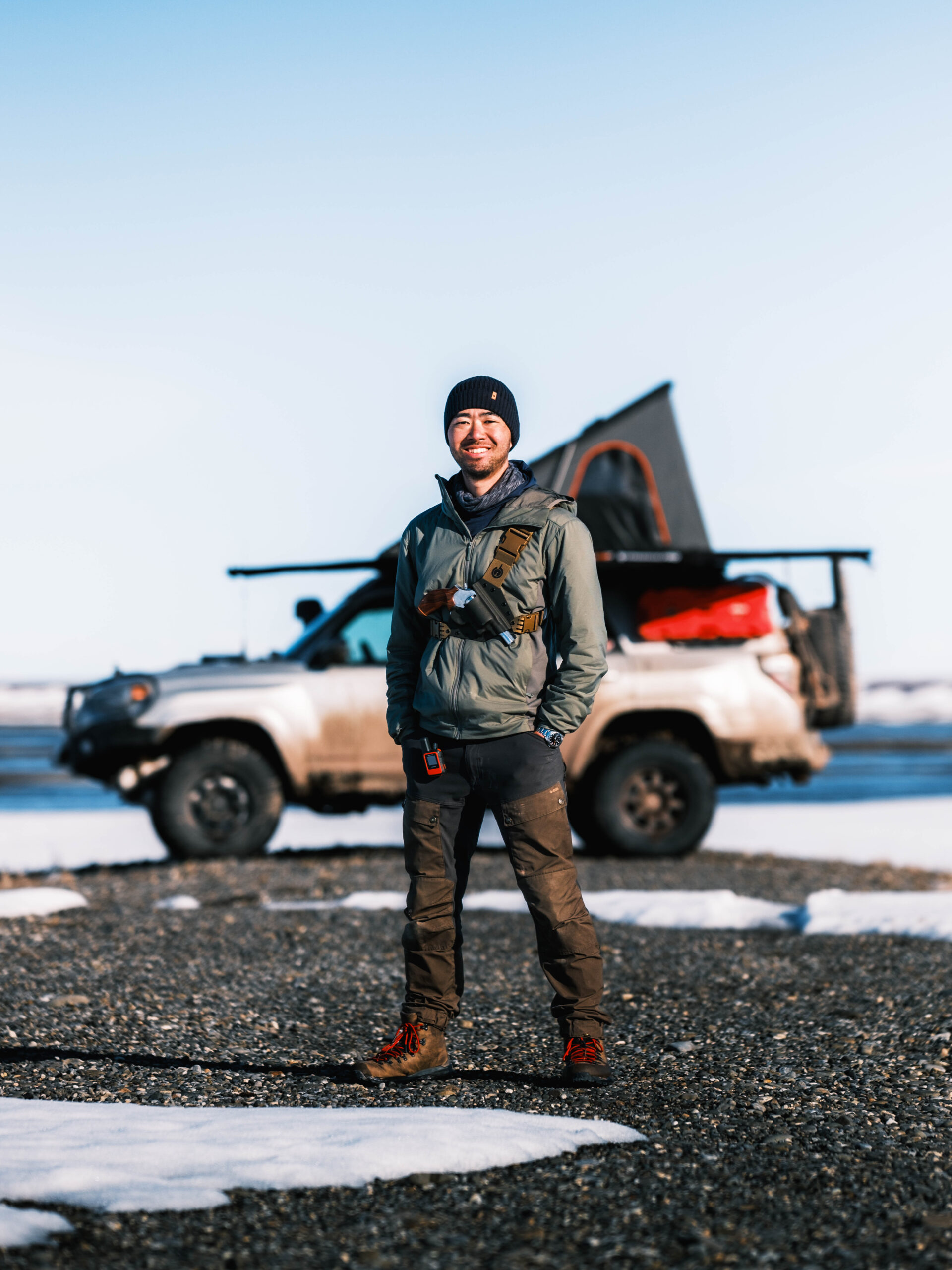
Growing up in Honolulu, Hawaii, Micah Urich didn’t have much exposure to offroad touring overlanding or even road tripping. That’s a reality of living on an island. His geographical limit stretched 45 miles end to end. What it did do, however, was instill a love for nature and a need to explore.
Micah’s interest in overlanding began to grow while attending the United States Military Academy at West Point.
“I started watching the early seasons of Expedition Overland and scrolling through Expedition Portal in the barracks,” says Micah. “From that point I knew it was something I wanted to dive into as soon as I graduated.”
Shaping The Way
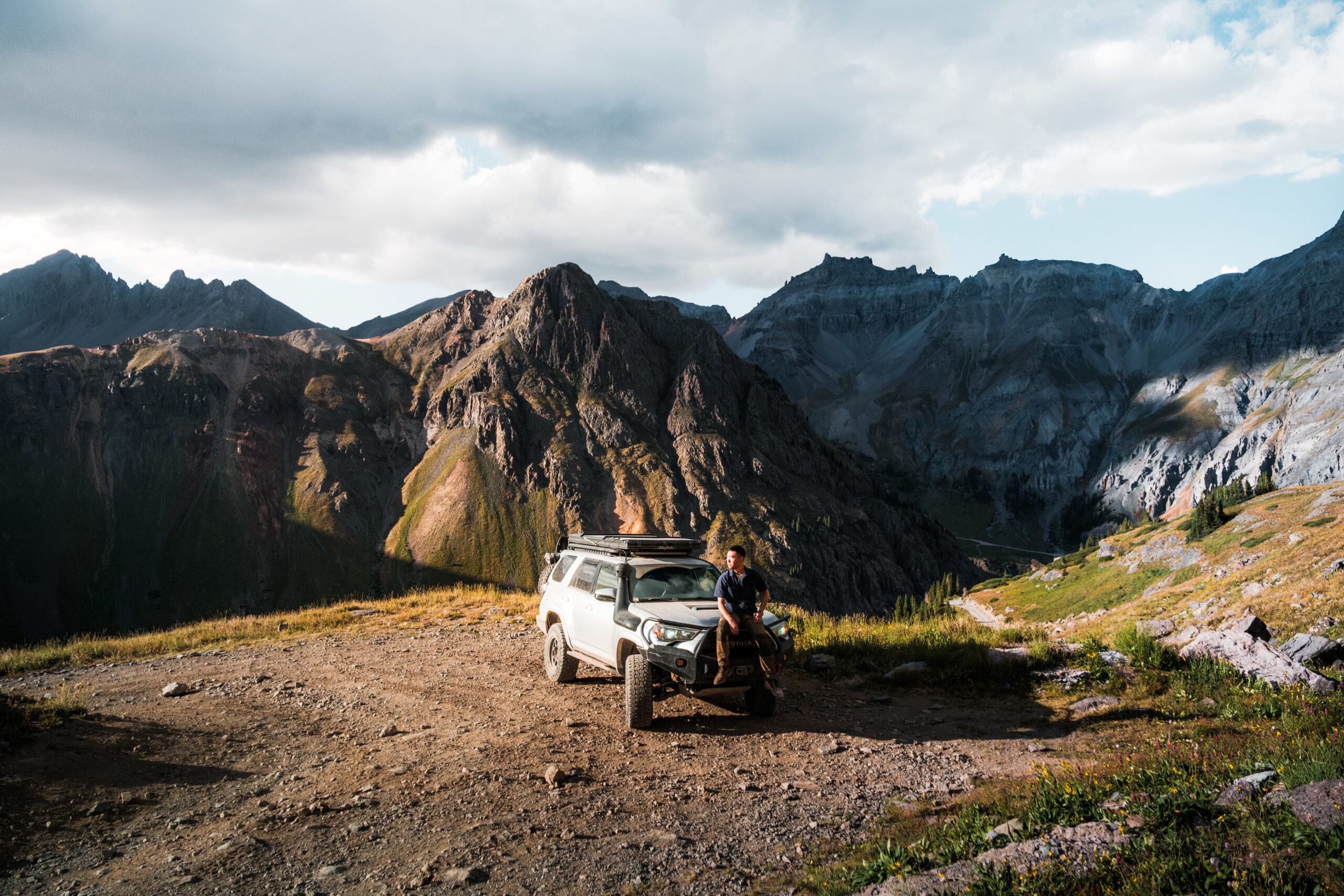
Micah’s military and engineering background has influenced how he approaches everything in life. The planning contingencies, logistics and flexibility to overcome the unknown at every step. Then there’s his rig.
“I see my vehicle build as an engineering problem. I approach it as a system of systems. Tracking the interdependencies between my power draw, life sustainment, vehicle mobility and all the tradeoffs that go with it. I think that’s contributed to my 4Runner being a balanced build. Especially when it comes to capability versus comfort and being finely tuned for what I want out of it. Do you need to be a mechanical and systems engineer to build a great truck? Absolutely not! But it helps to know some of the underlying physics and approach it systematically.”
Seeing God
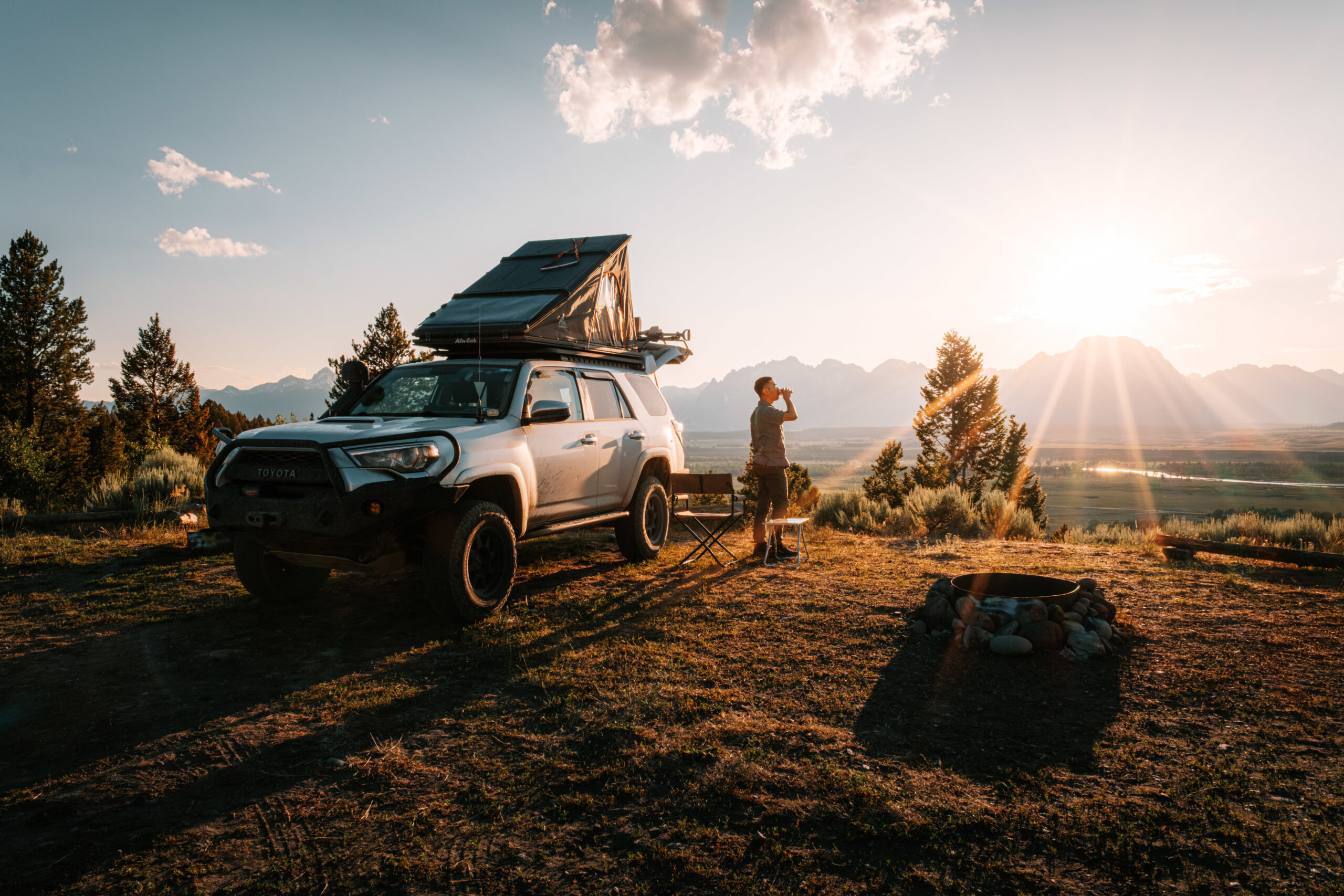
There’s something about being in natural environments that puts things into perspective for Micah. It slows everything down. Like being surrounded by mountains, standing in the open desert, or photographing the galactic core of the Milky Way. It’s moments like this that Micah feels most connected to God.
“You quickly realize why throughout the Bible He meets people in the mountains, in the desert and in the wilderness. It really is a spiritual experience.”
Whether backpacking with a heavy pack up the side of a mountain or steering his truck through tough trails, nature is a way to recalibrate the stress meter.
“We worry about so many little things in our day-to-day lives. Sometimes all we need is a truly tough situation to reset ourselves. Our bodies evolved a sense of stress for a good reason, but most of us don’t encounter that every day.”
Seeing the World
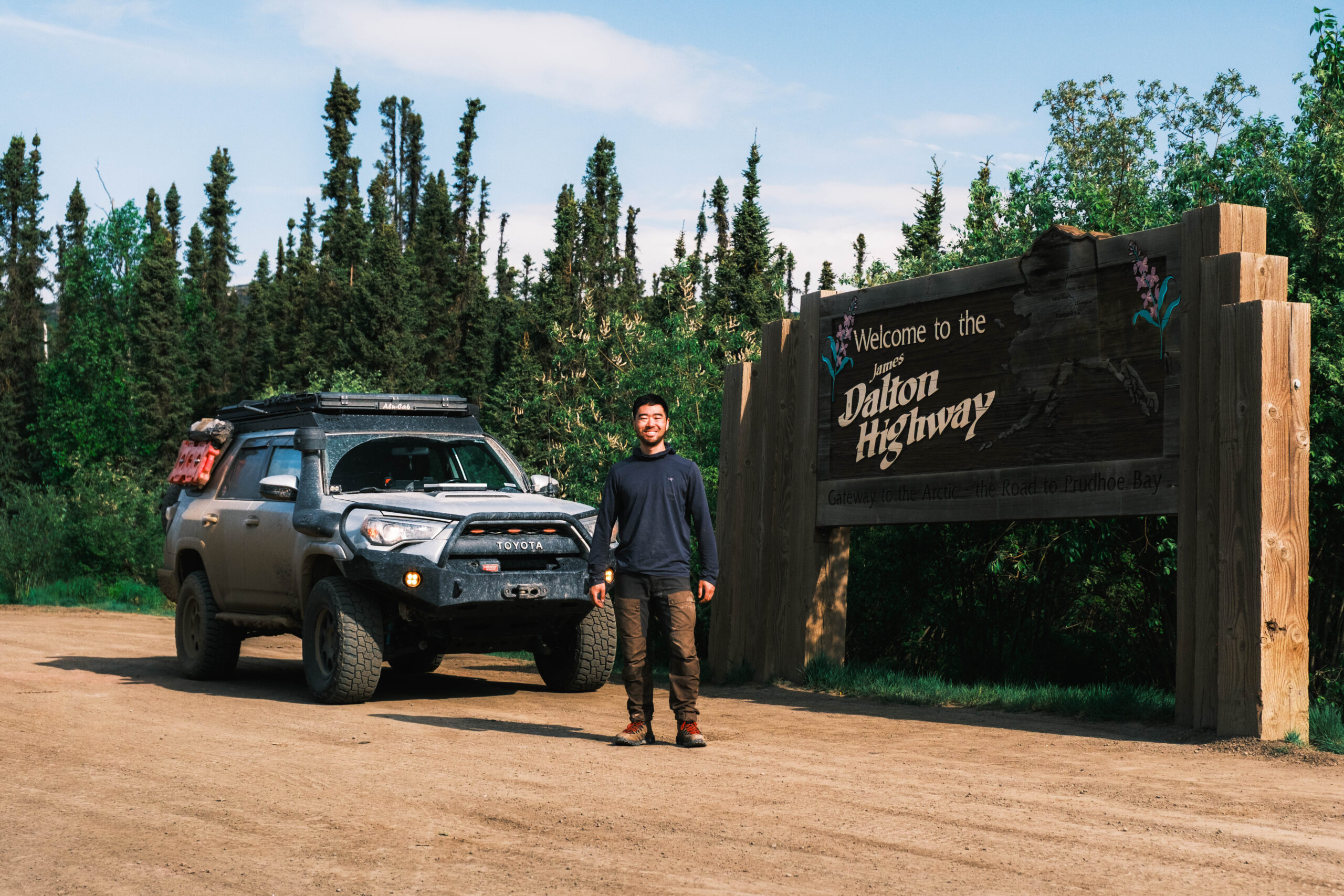
Throughout his career, Micah’s been fortunate to have been sent to some incredible parts of the United States.
“My first assignment was in far west Texas, and I immediately fell in love with the deserts of New Mexico. I ended up spending a good portion of my career in the American southwest. That’s where I cut my teeth as overland-style travel and vehicle-based adventures. It remains a special place to me along my journey. Then I got moved up to Colorado. Putting me in range of some of the most incredible trails and landscapes in the lower 48 states. That’s when I really ramped up my 4Runner. So I could spend my weekends in the San Juan Mountains, around Moab, or in the mountains of Wyoming.”
Not content to be in the same place for any extended period of time, Micah is easily restless. His rig allows him to get out and make a home wherever he steers it.
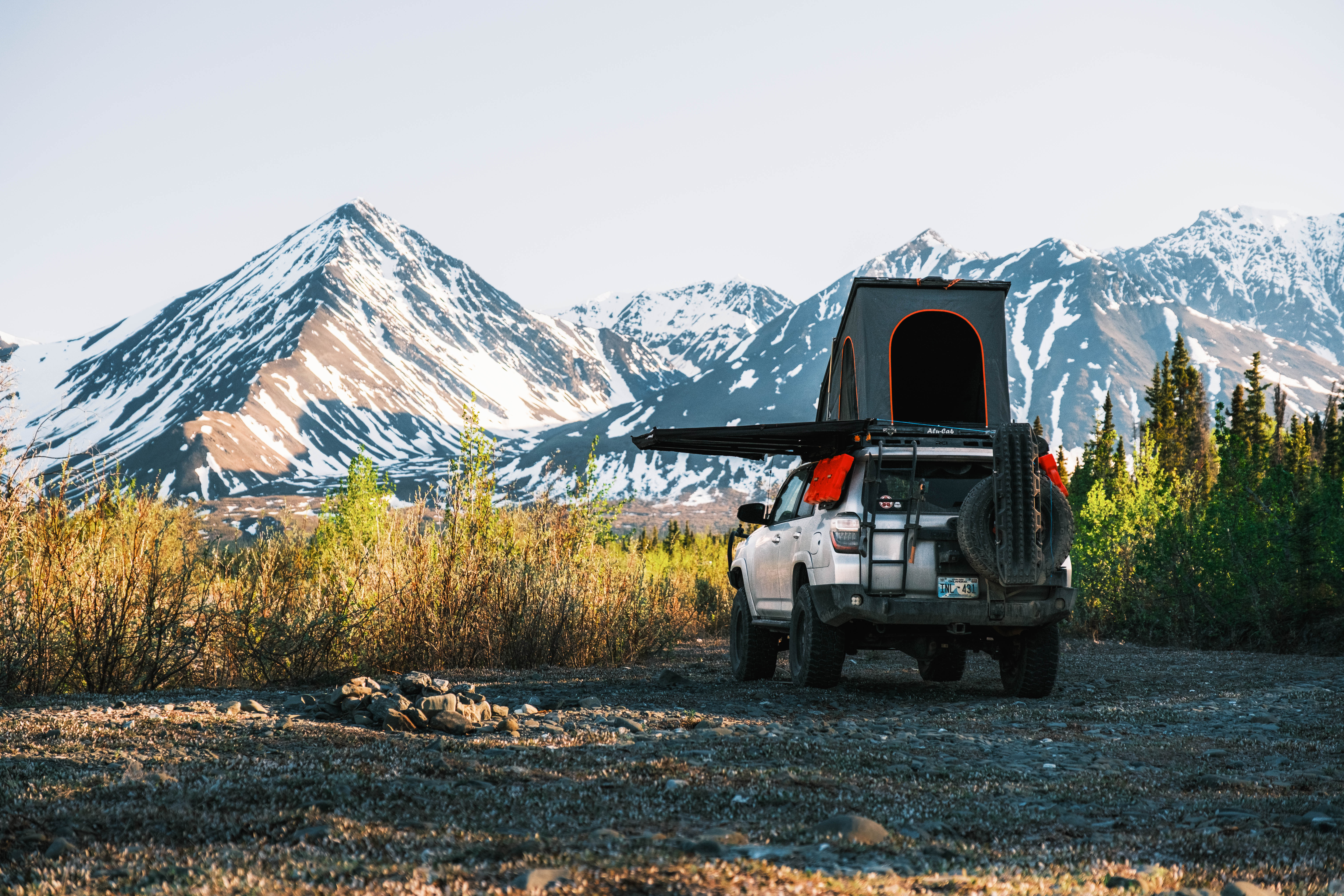
Capturing the World
Starting photography and overlanding at the same time, Micah finds himself at the perfect intersection of these passions.
From volcano fields along the Mexican border to some of the darkest skies in the United States in the New Mexican mountains, his two hobbies have been intertwined from the beginning.
Ten years later, it’s still how he plans his trips.
Building the Rig
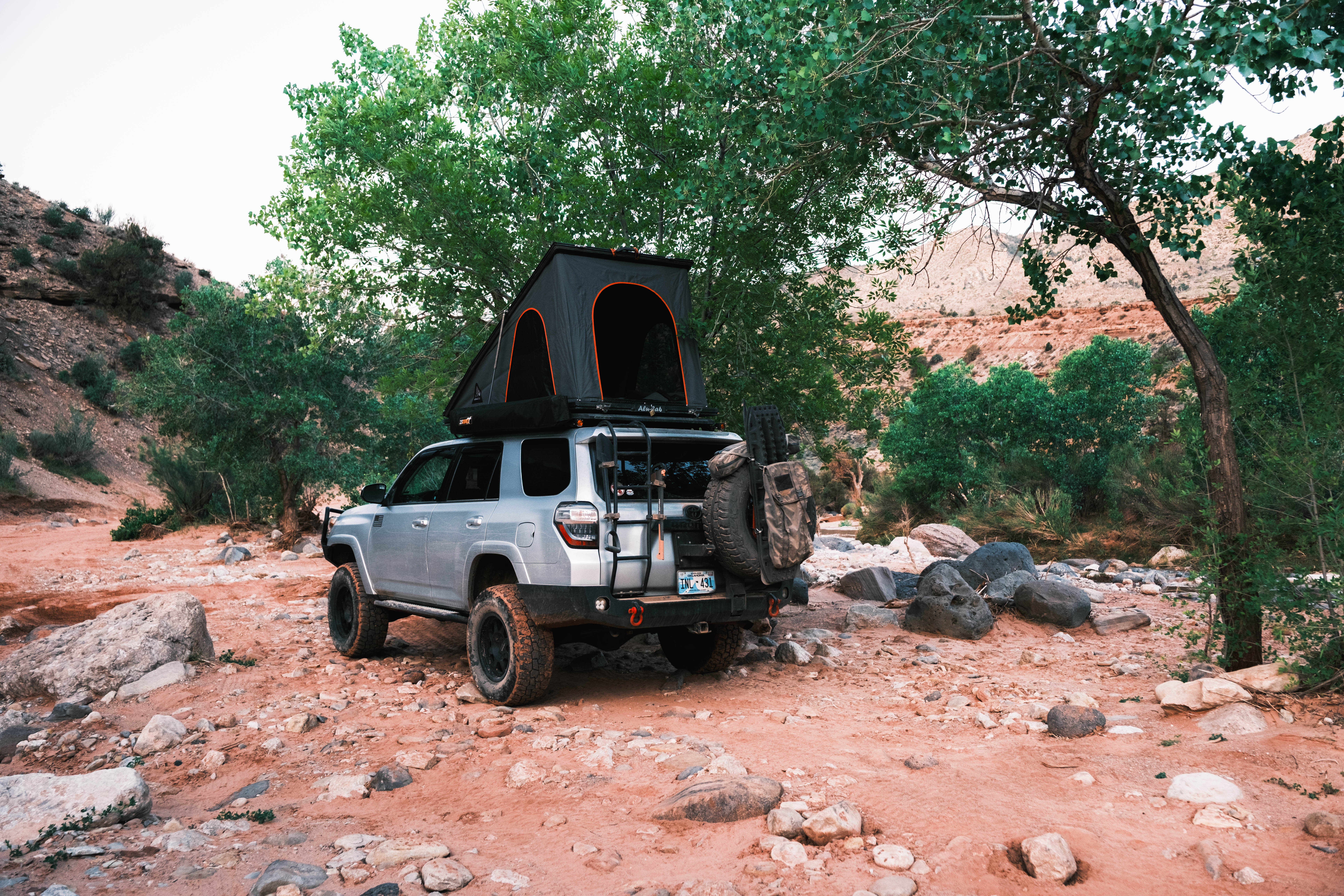
Micah started overlanding in a used F150 that he bought off a college friend the day they graduated. It was the perfect vehicle to learn how to drive off road. No fancy traction control, no crawl mode, Micah had to learn to finesse it through rough terrain. Once he’d learned the basics it was then time to upgrade.
“I walked into a Toyota dealership to test drive a Tacoma TRD Pro, but while walking around the lot, the salesman showed me a used 4Runner TRD Off Road. It was an incredible deal that I couldn’t pass up, and the deal was done.”
After putting on a set of all-terrain tires, the team at Tactical Application Vehicles (TAV) installed Expedition One bumpers, King Shocks and regeared the differentials.
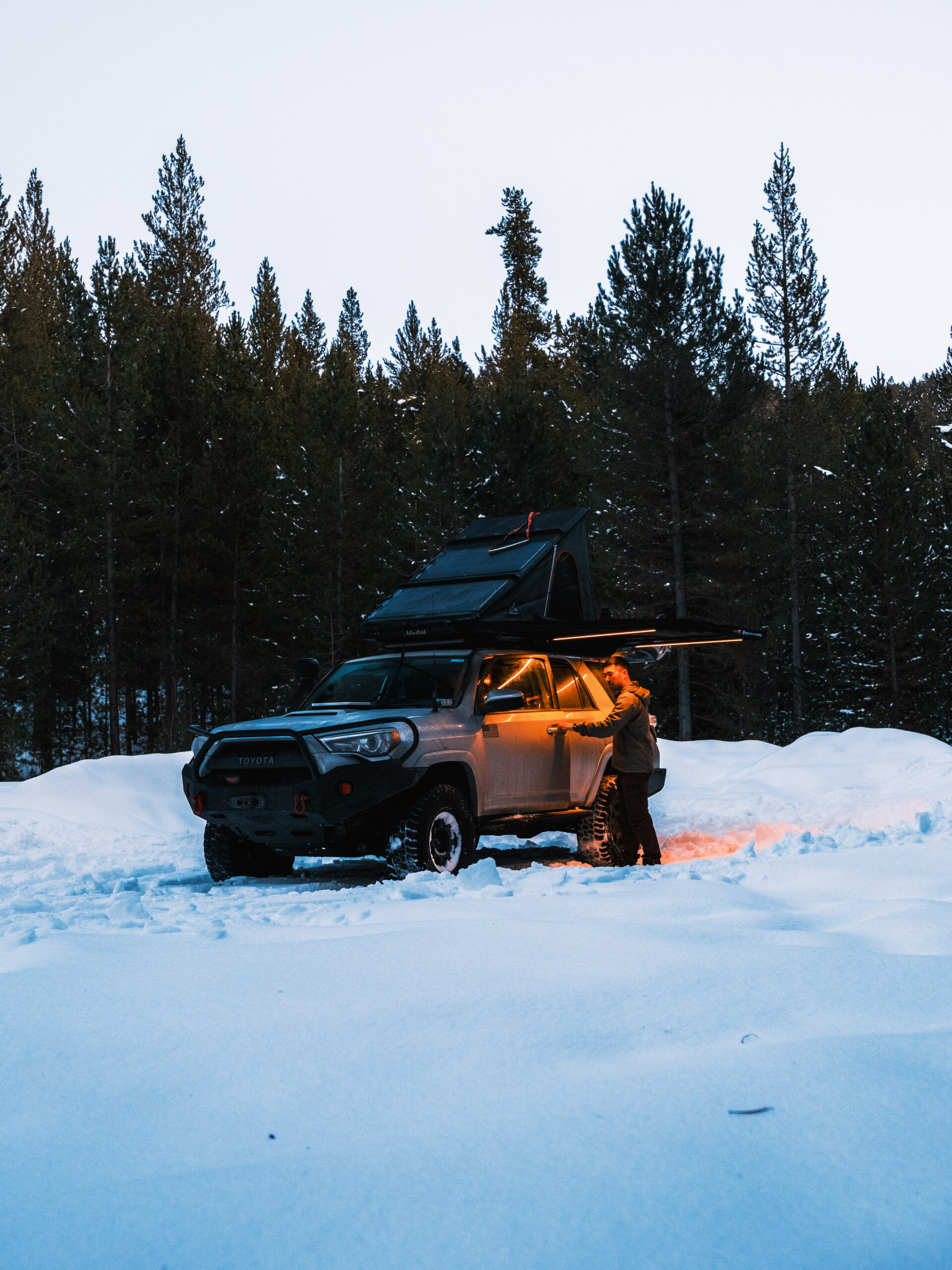
Next was being able to live out of the truck. Micah built a custom cargo tray with tie-downs for a fridge and drawer system. He designed a dual battery setup with 200W of solar and winterized the rig with battery blankets, engine block and oil pan heaters and a diesel heater.
The Mods that Matter Most
Approaching his vehicle as a system, Micah considers how each component interfaces with the other, the environment and the driver.
“I see my 4Runner build as much of an engineering problem to analyze and design around as it is a tool for getting me to remote parts of the world.”
Learning the capabilities of your vehicle and getting comfortable with its characteristics, will help you push it further. A good set of tires and upgraded suspension will make time on the trail much more manageable.
Something to go light on is lights. Micah who is more concerned with managing his lighting zones than trying to light up a runway.
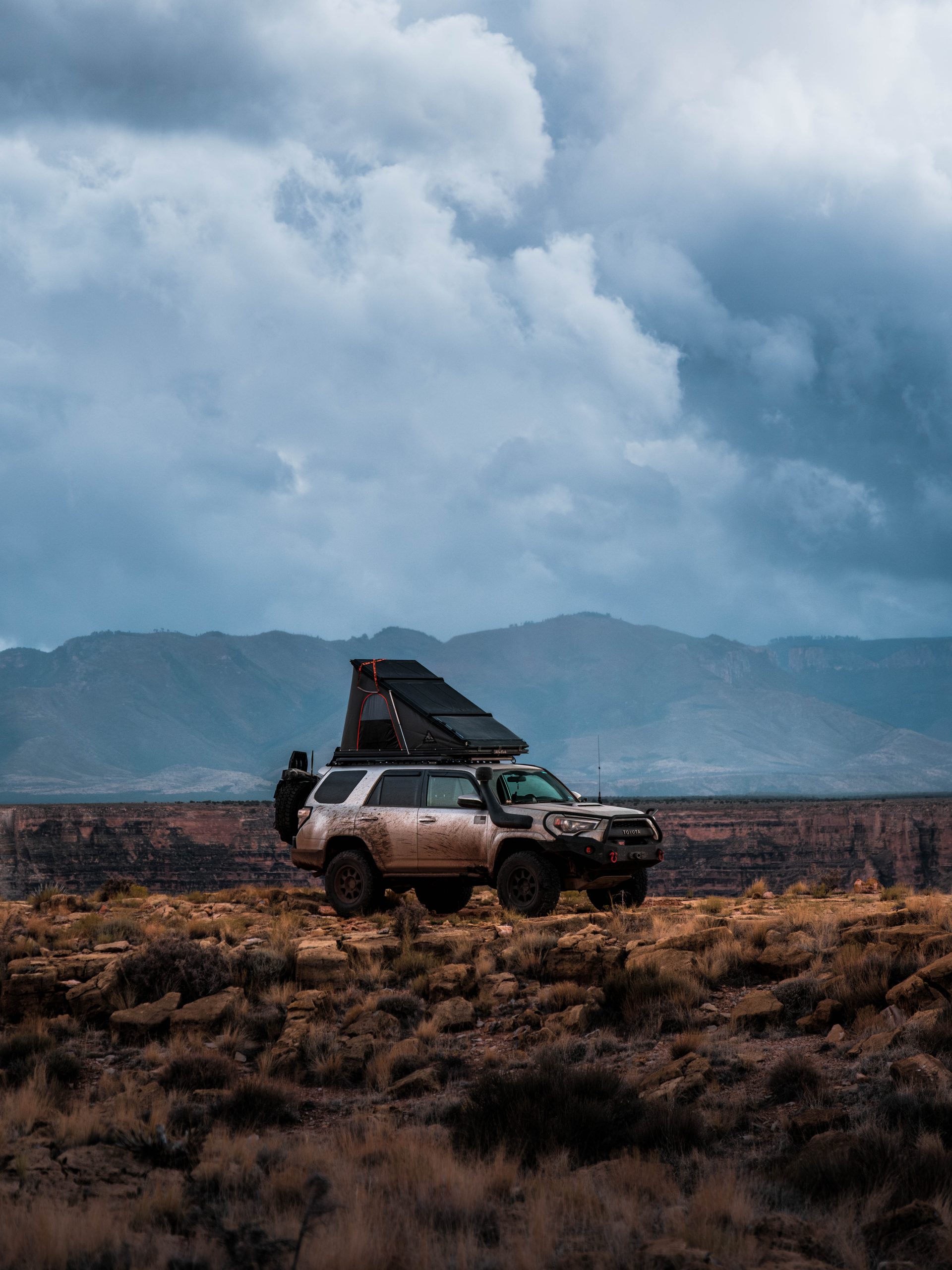
The LT-50 Rooftop Tent
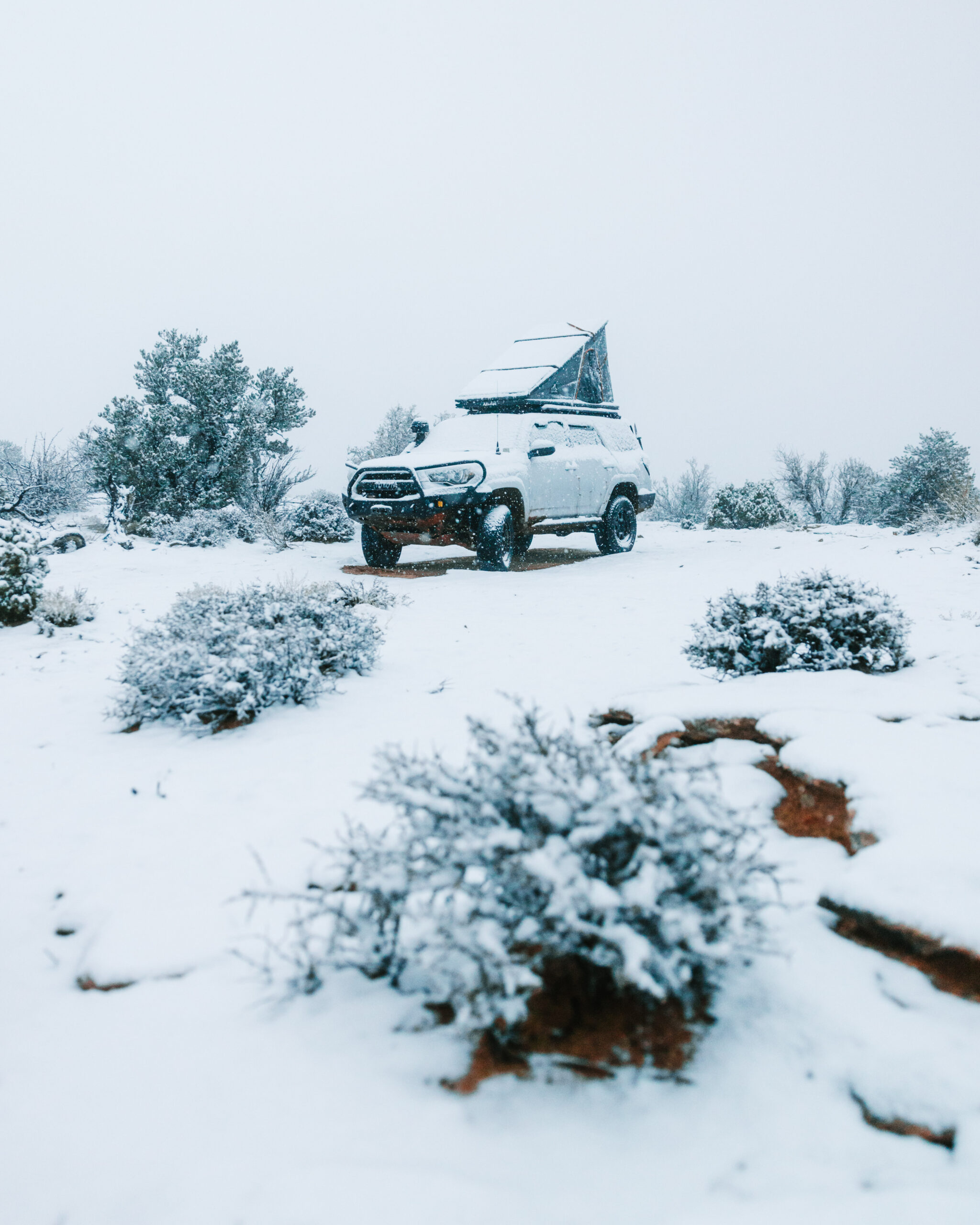
Describing himself as a “lazy camper”, Micah wanted a rooftop tent he could deploy and pack up with as little time and effort as possible. Something that added minimal weight and height and wouldn’t sacrifice durability or comfort.
“It ended up being an easy choice because the only tent on the market that met all my requirements was the LT-50. I still haven’t seen anything that comes close. The ability to roll up to camp and have my tent set up in 30 seconds has completely changed how I travel because I’m often getting to camp after dark or starting my hikes before sunrise to capture golden hour photographs. It’s simple enough that I can set up and pack up the tent by feel without any lights.”
Comfortable Camping
After pushing the rooftop tent to extremes in Alaska, Micah was surprised by how comfortable it was.
“For a full month straight, no rotating between hotels or a home base to recover in, just the tent, every night, for thirty nights. I expected some cumulative wear on comfort. It never came.”
The LT-50 took everything Alaska threw at it. Wind off the Arctic Ocean, rain on the Kenai Peninsula, near-freezing nights on the Dalton and midnight sun.
“The heavy canvas walls were incredible at blocking out the midnight sun. This mattered more than I expected. Without that, sleep in June and July at that latitude is a real problem.”
Are there any improvements that Micah would make to the tent, having lived out of it in for his 7,951-mile Dalton Highway trip?
“There’s not much to improve on the LT-50 for my use case. A lot of reviewers say it’s too slim to keep bedding in the tent while it’s closed. I keep a down sleeping bag, lightweight quilt, inflatable pillow and a set of clothes with no issues. It’s exceptionally capable for its slim size. One thing I’d like to tackle in the future is sewing a port for a diesel heater tube into the wall of the tent. I’ve been able to camp in 3°F with the right sleeping bag, but my setup right now isn’t sustainable for longer periods of travel.”
Lessons From The Road
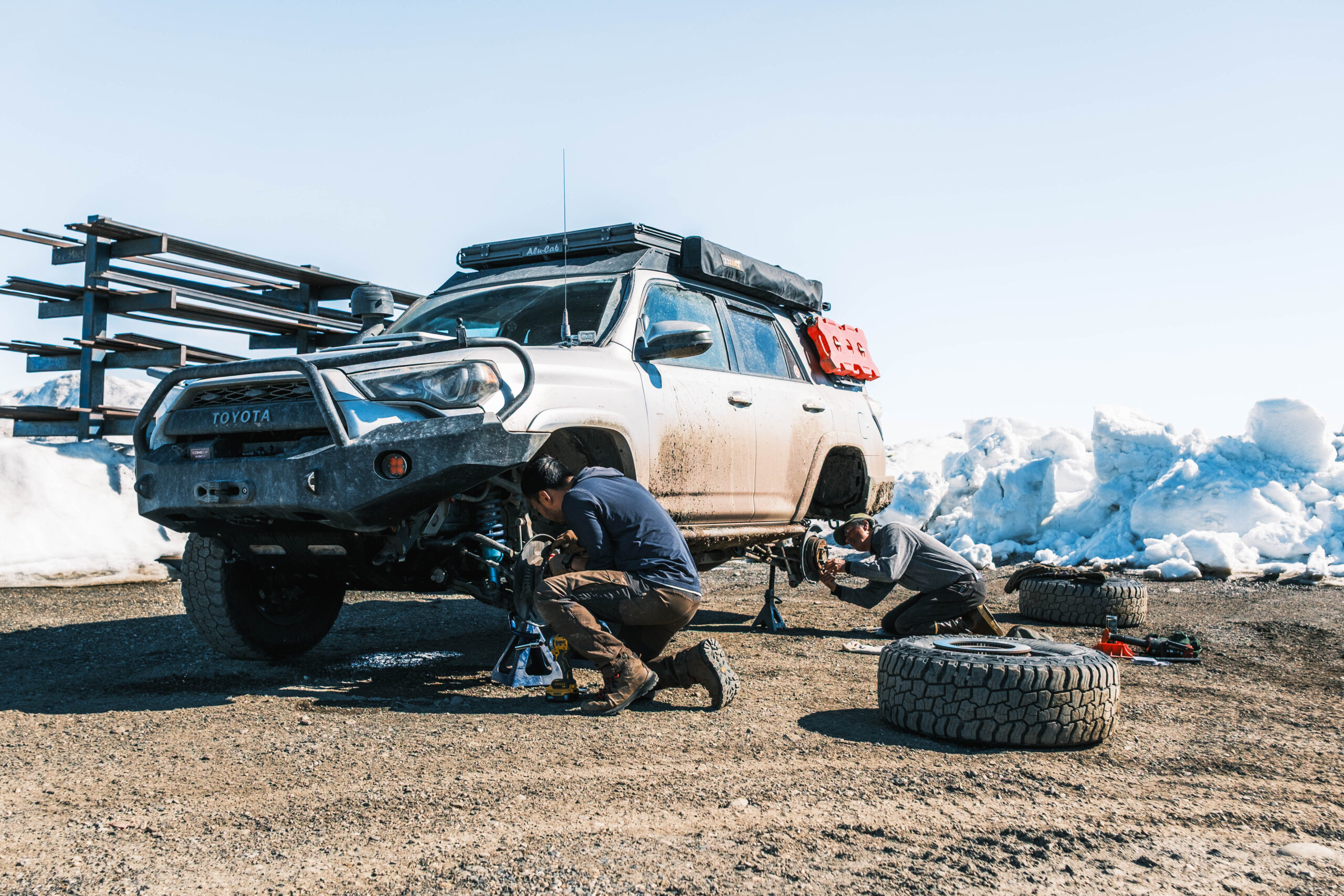
At Milepost 221 on the Dalton Highway, all five lug studs on one wheel failed and the wheel came off the truck. Micah had done a tire repair earlier that day and, without a torque wrench to check his work, either under- or over-torqued the lug nuts.
“I was on the side of the Dalton for about six hours trying to work my way out of the mishap. In the end, I took out studs from each of my other wheels, pressed them into the hub with sheared studs, and limped my way up to Prudhoe Bay where I was able to get parts flown in for a proper repair.”
Standing on the side of the gravel road, looking at his wheel lying in a marshy ditch, Micah remembers thinking, “how the hell am I going to get myself out of this?” It never crossed his mind to abandon his goal of reaching the Arctic Ocean. A mindset driven into him by his military experience was the most important asset he had out there.
The Bucket List Trip
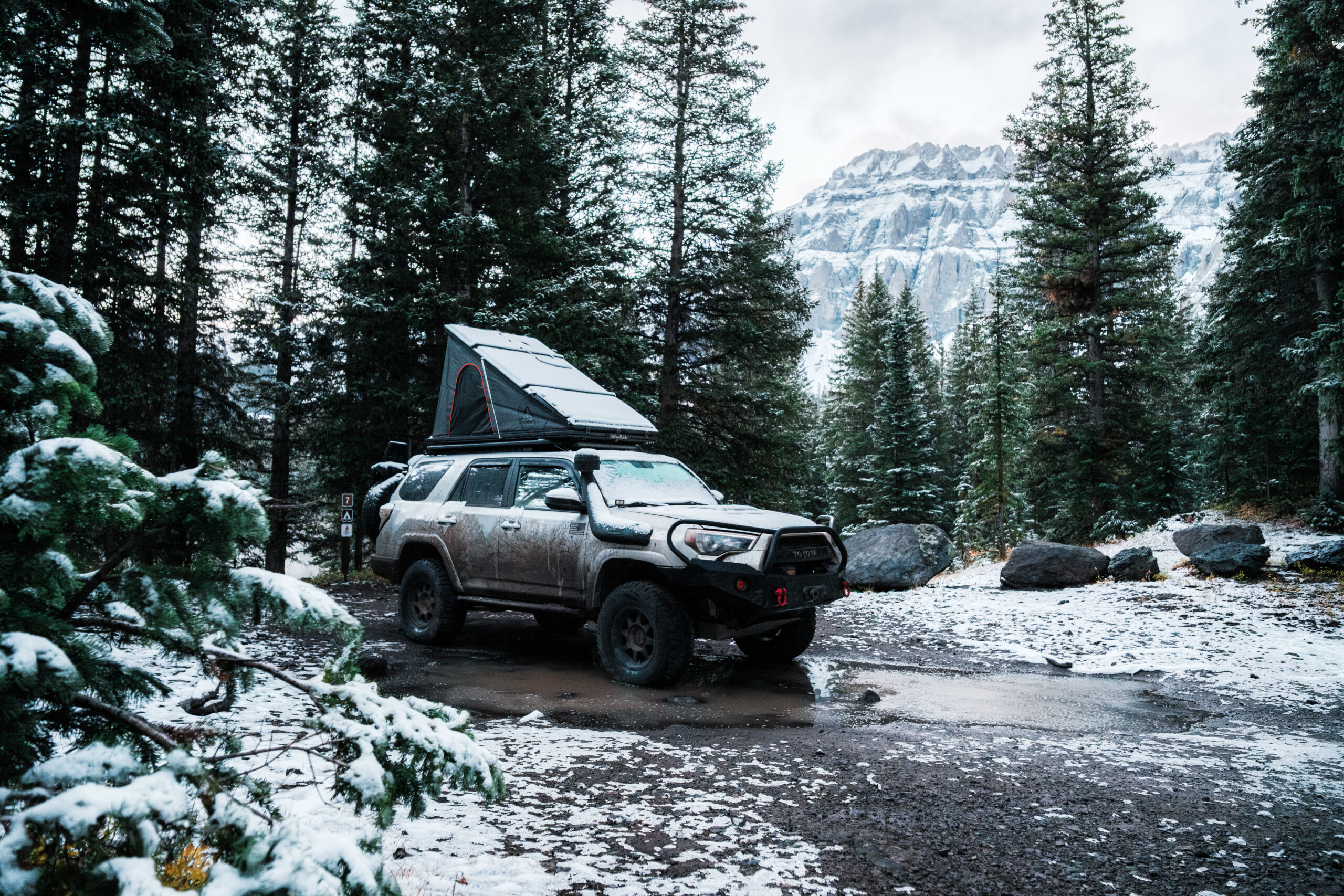
The drive up to Alaska had been on Micah’s bucket list for 10 years. When he was given six months’ notice to relocate he jumped at it.
“Scrolling Google Earth and other mapping software to find camp sites or interesting places to stop. I put in lots of effort to maximize my flexibility while on the road. And planned around access difficulty. Remote, hard-to-reach places go early in the trip while I still have full flexibility, and easily accessible areas get pushed later since I can always circle back. I build the route in phases with buffer days baked in, so if weather or road conditions cost me a day somewhere, I’m not sacrificing something further down the line. The skeleton of the route and the hard deadlines get locked well in advance, and everything inside that skeleton stays flexible.”
Capturing Memories
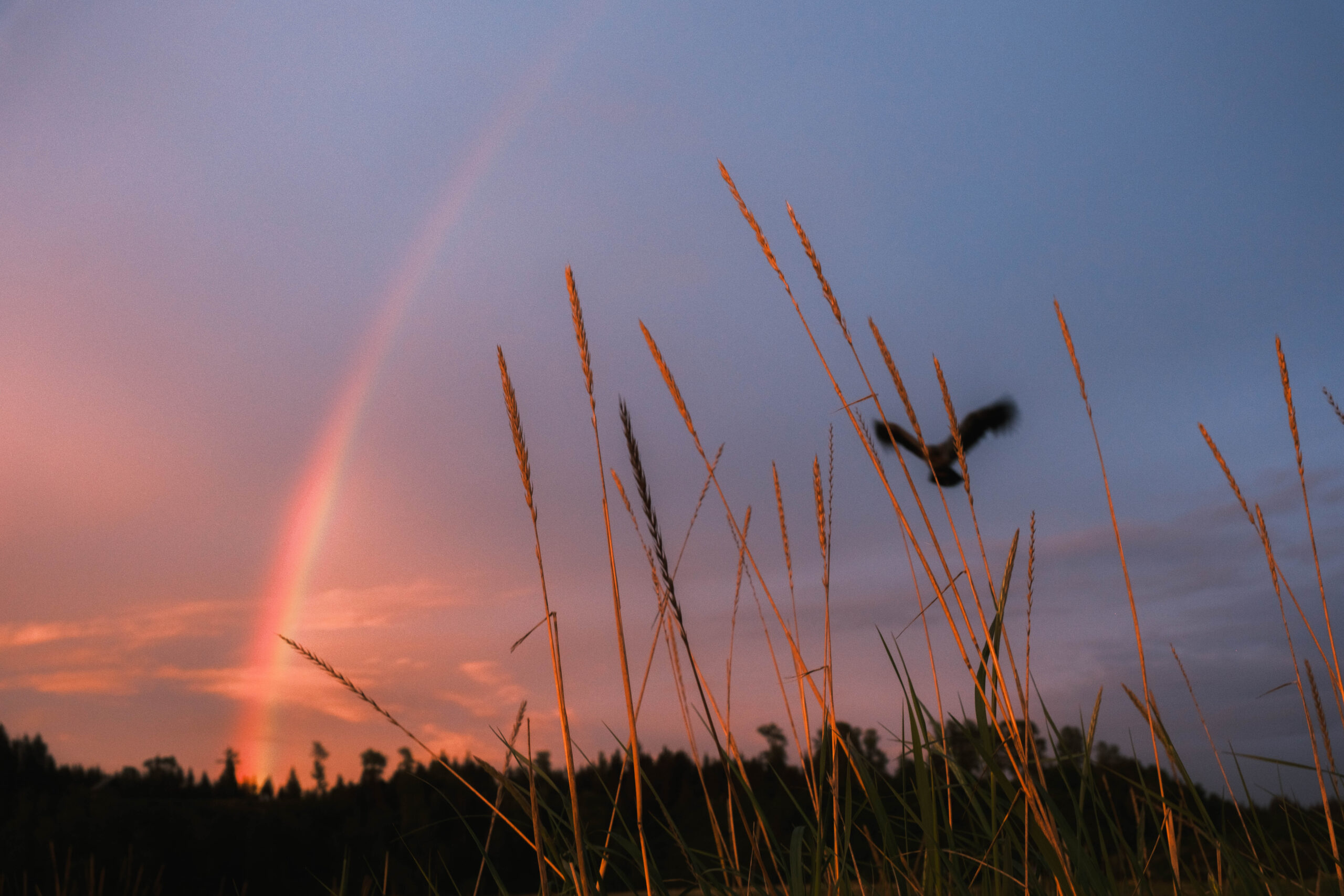
Of the 11 317 photos Micah took on his last trip, one captured it perfectly. Shot at sunset on summer solstice, it marked a special turning point in Alaska as the countdown to the shortest day of the year begins.
“I found myself camping on a gorgeous beach with Bald Eagles flying across the shore when a light rain revealed a rainbow over the hills inland. The serendipity of this moment, capturing an eagle flying through the frame in a split second, is something that I couldn’t have ever planned. But it makes the image that much more special.”